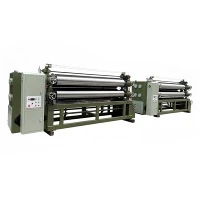

Force control in a hot hydraulic press is a crucial aspect that determines the quality and efficiency of the pressing process. As a supplier of hot hydraulic presses, I have witnessed firsthand the significance of precise force control in various industrial applications. In this blog, I will explore what force control in a hot hydraulic press entails, its importance, and how it impacts the overall performance of the machine.
Understanding Force Control in a Hot Hydraulic Press
A hot hydraulic press is a machine that uses hydraulic pressure to apply force on a workpiece while simultaneously heating it. The force control system in a hot hydraulic press is responsible for regulating the amount of pressure applied to the workpiece. This is achieved through a combination of hydraulic components, sensors, and control algorithms.


The basic principle behind force control in a hot hydraulic press is to maintain a consistent and accurate pressure throughout the pressing cycle. This is essential because the quality of the final product often depends on the uniformity of the pressure applied. For example, in the production of plywood, an inconsistent pressure can lead to uneven bonding, warping, or other defects.
The force control system typically consists of a hydraulic pump, valves, cylinders, and pressure sensors. The hydraulic pump generates the pressure, which is then regulated by the valves. The cylinders transfer the pressure to the workpiece, and the pressure sensors monitor the actual pressure being applied. Based on the data from the sensors, the control system adjusts the valves to maintain the desired pressure.
Importance of Force Control
- Product Quality: Precise force control ensures that the workpiece is subjected to the correct amount of pressure, which is crucial for achieving high - quality products. In the case of Hydraulic Hot Press Machine for Plywood, proper force control helps in creating strong and uniform bonds between the layers of wood, resulting in a high - quality plywood sheet.
- Process Efficiency: By maintaining a consistent pressure, force control reduces the risk of over - or under - pressing. Over - pressing can damage the workpiece, while under - pressing may result in an incomplete process. This not only saves time but also reduces material waste, making the production process more efficient.
- Equipment Safety: A well - designed force control system helps in preventing excessive pressure that could damage the hydraulic press itself. High pressure can cause components such as cylinders, valves, and hoses to fail, leading to safety hazards and costly repairs.
How Force Control Works in Practice
In a hot hydraulic press, the force control process can be divided into several stages:
- Set - up Phase: Before starting the pressing operation, the operator sets the desired pressure based on the requirements of the workpiece. This value is entered into the control system, which then uses it as a reference for the entire pressing cycle.
- Pressing Phase: As the hydraulic pump starts to generate pressure, the pressure sensors continuously measure the actual pressure. If the actual pressure deviates from the set value, the control system adjusts the valves to increase or decrease the pressure accordingly. This adjustment is done in real - time to ensure that the pressure remains within the specified range.
- Holding Phase: Once the desired pressure is reached, the control system maintains this pressure for a specific period. This is important for allowing the workpiece to set or bond properly. The length of the holding phase depends on the type of material and the process requirements.
- Release Phase: After the holding phase is complete, the control system gradually releases the pressure to avoid sudden shocks to the workpiece and the machine.
Factors Affecting Force Control
Several factors can affect the accuracy of force control in a hot hydraulic press:
- Hydraulic Fluid Properties: The viscosity, temperature, and cleanliness of the hydraulic fluid can impact the performance of the hydraulic system. For example, a change in temperature can cause the viscosity of the fluid to change, which in turn affects the pressure generation and control.
- Mechanical Wear and Tear: Over time, the components of the hydraulic press, such as cylinders and valves, can wear out. This can lead to leaks or reduced precision in pressure control. Regular maintenance and inspection are essential to ensure the proper functioning of the force control system.
- Workpiece Characteristics: The size, shape, and material properties of the workpiece can also affect force control. For instance, a large or irregularly shaped workpiece may require a different pressure distribution compared to a small and regular one.
Advanced Force Control Technologies
In recent years, there have been significant advancements in force control technologies for hot hydraulic presses. Some of these include:
- Closed - Loop Control Systems: These systems use feedback from the pressure sensors to continuously adjust the pressure. This allows for more precise and accurate force control compared to open - loop systems, which do not have this feedback mechanism.
- Proportional Valves: Proportional valves can adjust the flow rate of the hydraulic fluid in proportion to the electrical signal they receive. This enables more precise control of the pressure and allows for smoother and more accurate pressing operations.
- Intelligent Control Algorithms: Advanced control algorithms can analyze the data from the sensors and make real - time adjustments based on the specific requirements of the process. These algorithms can adapt to changes in the workpiece characteristics or external conditions, improving the overall performance of the force control system.
Impact of Force Control on Different Applications
- Plywood Production: In the plywood industry, force control is critical for ensuring the quality of the final product. Hydraulic Hot Press for Plywood and Electric Hot Press for Plywood both rely on accurate force control to create strong bonds between the layers of wood. A consistent pressure helps in producing plywood with uniform thickness, density, and strength.
- Composite Manufacturing: In the production of composite materials, force control is necessary to ensure proper consolidation of the fibers and resin. The right amount of pressure helps in removing air bubbles and achieving a high - quality composite structure.
- Metal Forming: In metal forming processes, force control is used to shape the metal into the desired form. Precise force control helps in preventing over - deformation or cracking of the metal, resulting in a high - quality finished product.
Conclusion
Force control is a fundamental aspect of a hot hydraulic press that plays a vital role in determining the quality, efficiency, and safety of the pressing process. As a supplier of hot hydraulic presses, we understand the importance of providing machines with advanced force control systems. Our hot hydraulic presses are designed to offer precise and reliable force control, ensuring that our customers can achieve the best possible results in their production processes.
If you are interested in learning more about our hot hydraulic presses or need assistance in selecting the right machine for your specific application, we invite you to contact us for a detailed discussion. Our team of experts is ready to provide you with the information and support you need to make an informed decision.
References
- Smith, J. (2018). Hydraulic Press Technology. Industrial Press Publishing.
- Johnson, A. (2020). Advanced Force Control in Manufacturing Processes. Journal of Manufacturing Science and Technology.
- Brown, C. (2019). Plywood Production and Quality Control. Woodworking Industry Journal.