
Hey there! As a supplier of double side gluing machines, I often get asked about the heat resistance of the glue used in these machines. It's an important topic, as the heat resistance of the glue can greatly affect the performance and durability of the glued products. So, let's dive right in and explore what the heat resistance of the glue used in a double side gluing machine really means.
First off, what exactly is heat resistance when it comes to glue? Well, heat resistance refers to the ability of the glue to maintain its adhesive properties under elevated temperatures. In other words, it's how well the glue can hold things together when it gets hot. This is crucial in many applications, especially those where the glued products are exposed to high temperatures during manufacturing, use, or storage.
There are several factors that can influence the heat resistance of the glue used in a double side gluing machine. One of the most important factors is the type of glue itself. Different types of glues have different heat resistance capabilities. For example, epoxy glues are known for their excellent heat resistance. They can withstand high temperatures without losing their adhesive strength, making them a popular choice for applications where heat is a concern. On the other hand, some water - based glues may have lower heat resistance and could start to lose their bond when exposed to even moderately high temperatures.
The formulation of the glue also plays a big role. Glue manufacturers often add various additives to improve heat resistance. These additives can act as heat stabilizers, protecting the glue from breaking down under heat. For instance, some glues may contain ceramic or metal particles that can enhance their thermal conductivity and help dissipate heat, reducing the risk of thermal damage to the glue bond.
Another factor is the curing process of the glue. How the glue is cured can affect its final heat resistance. For example, if a glue is cured at a higher temperature, it may develop a more cross - linked structure, which can improve its heat resistance. However, if the curing process is not done properly, it can lead to a weaker bond and lower heat resistance.
Now, let's talk about why heat resistance matters in a double side gluing machine. In many industries, such as woodworking, packaging, and automotive, the products made using double side gluing machines may be exposed to heat during processing or in their end - use. For instance, in the woodworking industry, plywood sheets glued with a double side gluing machine may go through a hot - pressing process. If the glue doesn't have enough heat resistance, it can cause the plywood to delaminate, resulting in a defective product.
In the packaging industry, products may be stored in warehouses where the temperature can get quite high, especially in hot climates. If the glue used to seal the packages loses its bond due to heat, the packages could open up, leading to product damage and customer dissatisfaction.
As a supplier of double side gluing machines, we understand the importance of heat - resistant glue. That's why we work closely with glue manufacturers to ensure that the gluing systems we offer are compatible with high - quality heat - resistant glues. We also provide our customers with guidance on choosing the right glue for their specific applications.
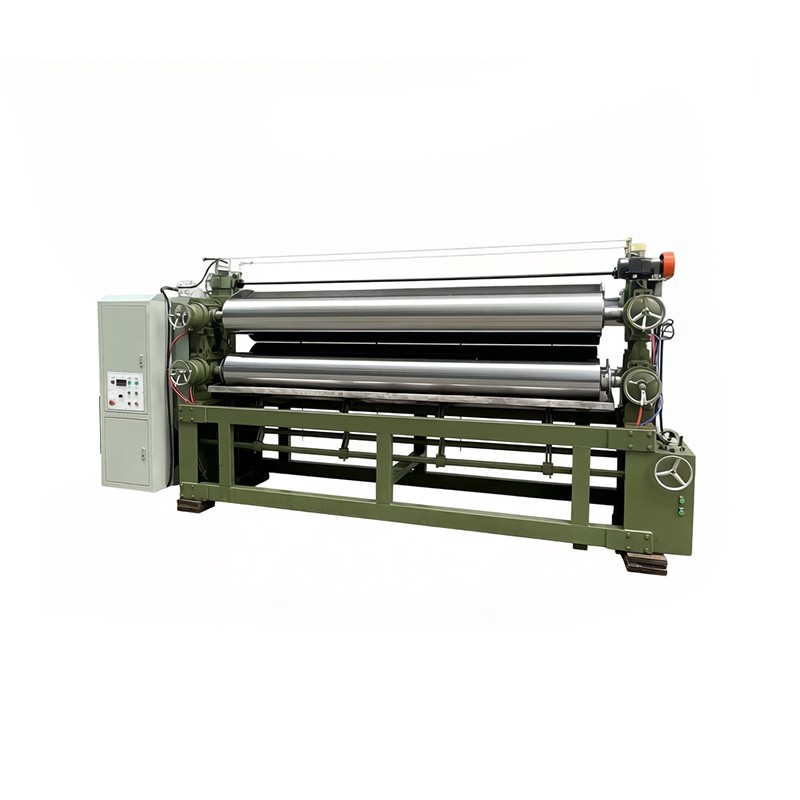
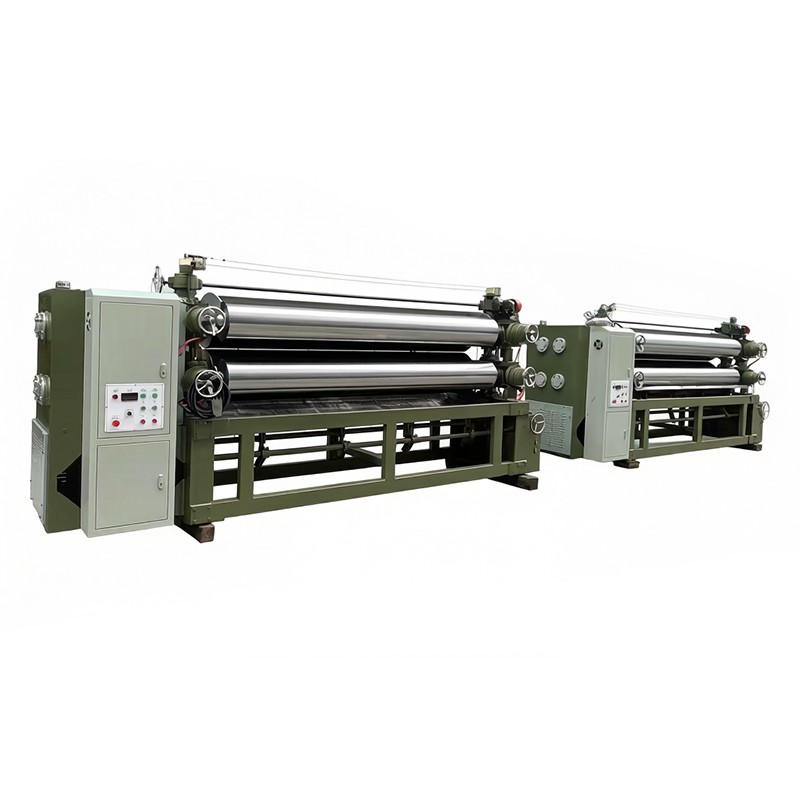
If you're in the market for a double side gluing machine, you might be interested in some of our products. Check out our Pneumatic Double Side Gluing Machine and Pneumatic Double Face Gluing Machine. These machines are designed to work efficiently with a variety of glues, including those with excellent heat resistance. And if you're in the plywood industry, our Glue Spreader Plywood is a great option for ensuring a strong and heat - resistant bond between plywood layers.
So, how do you test the heat resistance of the glue used in a double side gluing machine? There are several methods. One common method is the heat - ageing test. In this test, glued samples are placed in a heated chamber at a specific temperature for a set period of time. After the test, the samples are examined to see if the glue bond has been affected. Another method is the thermal cycling test, where the samples are subjected to repeated cycles of heating and cooling. This simulates real - world conditions where the glued products may experience temperature fluctuations.
When it comes to choosing the right glue for your double side gluing machine, you need to consider the specific requirements of your application. Think about the maximum temperature the glued products will be exposed to, the duration of the heat exposure, and the type of materials being glued. If you're not sure which glue to choose, don't hesitate to reach out to us. We have a team of experts who can help you make the right decision.
In conclusion, the heat resistance of the glue used in a double side gluing machine is a critical factor that can impact the quality and performance of the glued products. By understanding the factors that influence heat resistance, choosing the right glue, and using proper testing methods, you can ensure that your double side gluing operations are successful. Whether you're in the woodworking, packaging, or any other industry that relies on double side gluing, we're here to provide you with the machinery and support you need to achieve the best results.
If you're interested in learning more about our double side gluing machines or need help with choosing the right glue, we'd love to hear from you. Just connect with us to start the discussion and take your gluing process to the next level.
References
- Handbook of Adhesive Technology
- Industrial Adhesive Manual