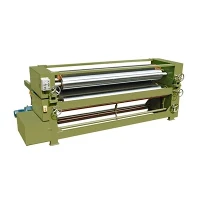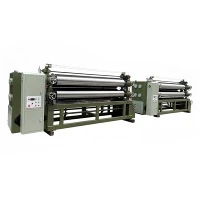

Hey there! As a supplier of Hot Hydraulic Presses, I often get asked about the sealing system of these machines. So, I thought I'd take a moment to break it down for you.


First off, let's talk about what a hot hydraulic press is. A hot hydraulic press is a machine that uses hydraulic pressure to apply heat and pressure to a material, usually in the form of a sheet or a block. These presses are commonly used in industries like woodworking, plastics, and composites, where they're used to create products like Hydraulic Press for Plywood, laminates, and molded parts.
Now, the sealing system of a hot hydraulic press is a crucial component. It's responsible for keeping the hydraulic fluid inside the system and preventing leaks. This is important for a few reasons. For one, hydraulic fluid is expensive, and leaks can lead to significant costs over time. Additionally, leaks can cause environmental problems and can also pose a safety hazard.
There are several types of sealing systems used in hot hydraulic presses, and each has its own advantages and disadvantages. Let's take a look at some of the most common ones.
O-Rings
O-rings are one of the most widely used sealing solutions in hydraulic systems, including hot hydraulic presses. They're simple, inexpensive, and effective. An O-ring is a circular rubber or elastomer ring that's placed in a groove to create a seal between two parts. When the parts are tightened together, the O-ring is compressed, creating a barrier that prevents fluid from leaking out.
One of the main advantages of O-rings is their versatility. They can be used in a wide range of applications and can withstand different pressures and temperatures. However, they do have some limitations. Over time, O-rings can wear out, especially in high-temperature environments. This can lead to leaks, which means they need to be replaced regularly.
Lip Seals
Lip seals are another popular type of sealing system. They consist of a flexible lip that presses against a surface to create a seal. Lip seals are often used in applications where there's relative motion between two parts, such as in a piston or a rod.
The advantage of lip seals is that they can adapt to changes in pressure and temperature. They're also good at preventing contaminants from entering the system. However, like O-rings, they can wear out over time, especially if they're exposed to harsh conditions.
Packing Seals
Packing seals are made up of multiple layers of material, such as graphite, asbestos, or synthetic fibers. They're used to seal around shafts and rods in hydraulic systems. Packing seals work by being compressed around the shaft, creating a tight seal.
One of the benefits of packing seals is their ability to handle high pressures and temperatures. They're also relatively easy to install and replace. However, they can be a bit messy, as they can release small particles of the packing material over time.
Mechanical Seals
Mechanical seals are more complex than the other types of seals we've discussed. They consist of two flat surfaces that are pressed together to create a seal. One surface is stationary, while the other rotates with the shaft.
Mechanical seals are very effective at preventing leaks, even in high-pressure and high-temperature applications. They're also long-lasting and require less maintenance than some other types of seals. However, they're more expensive and can be more difficult to install.
When it comes to choosing the right sealing system for a hot hydraulic press, there are several factors to consider. The first is the operating conditions of the press. This includes the temperature, pressure, and the type of hydraulic fluid being used. For example, if the press operates at high temperatures, you'll need a seal that can withstand those conditions without deteriorating.
Another factor to consider is the type of application. If the press is used in a clean environment, you might be able to get away with a simpler sealing system. However, if the press is used in a dirty or abrasive environment, you'll need a more robust seal that can prevent contaminants from entering the system.
As a Hot Hydraulic Press supplier, we have a lot of experience in helping our customers choose the right sealing system for their needs. We understand that every application is unique, and we work closely with our customers to ensure that they get the best possible solution.
In addition to choosing the right sealing system, it's also important to maintain it properly. Regular inspections and maintenance can help prevent leaks and extend the life of the seals. This includes checking for signs of wear, replacing seals when necessary, and keeping the hydraulic system clean.
If you're in the market for a Hydraulic Hot Press Machine for Plywood or any other type of hot hydraulic press, we'd love to help. We offer a wide range of high-quality presses, and we can provide you with all the information you need to make an informed decision. Whether you're a small business or a large industrial operation, we have the expertise and the products to meet your needs.
So, if you have any questions or if you're interested in learning more about our hot hydraulic presses and their sealing systems, don't hesitate to reach out. We're here to help you find the right solution for your business.
References
- "Hydraulic Seals Handbook" by John A. Dickson
- "Practical Hydraulics and Pneumatics" by David Crolla