
Temperature control in a single moving plate cold press is a critical aspect that directly impacts the quality and efficiency of the cold - pressing process. As a supplier of single moving plate cold presses, I'd like to delve into this topic to help our potential customers understand its significance and how our machines are designed to manage temperature effectively.
Understanding the Basics of Temperature Control in a Single Moving Plate Cold Press
In a single moving plate cold press, the primary function is to apply pressure to materials at relatively low temperatures compared to hot - pressing methods. However, temperature still plays a crucial role. The temperature of the pressing plate and the material being pressed can influence the material's physical properties during the pressing process.
When the temperature is too low, the material may not deform as easily, leading to incomplete pressing and potentially lower - quality products. On the other hand, if the temperature is too high, it can cause the material to over - deform, lose its original structure, or even lead to chemical changes in some materials.
Factors Affecting Temperature in a Single Moving Plate Cold Press
- Friction: During the pressing process, friction between the moving plate and the material generates heat. The amount of friction depends on factors such as the surface roughness of the plate, the pressure applied, and the speed of the plate movement. For example, a higher pressing speed will generally result in more friction and thus more heat generation.
- Material Properties: Different materials have different heat - transfer characteristics. Some materials are good conductors of heat, while others are insulators. For instance, metals are generally good heat conductors, and during cold pressing, they can quickly transfer the heat generated by friction. In contrast, plastics or composites may have lower heat - transfer rates, which can lead to heat accumulation in specific areas.
- Ambient Temperature: The temperature of the surrounding environment also affects the temperature inside the cold press. In a hot environment, the machine will absorb heat from the surroundings, making it more difficult to control the internal temperature. Conversely, in a cold environment, the machine may need to work harder to maintain the desired temperature.
Temperature Control Mechanisms in Our Single Moving Plate Cold Presses
To ensure optimal temperature control, our single moving plate cold presses are equipped with several advanced mechanisms.
- Cooling Systems: We install efficient cooling systems in our machines. These systems typically use water - cooling or air - cooling methods. Water - cooling systems are more effective in removing heat quickly. They circulate water through channels in the pressing plates, absorbing the heat generated during the pressing process and then dissipating it through a heat exchanger. Air - cooling systems, on the other hand, use fans to blow air over the plates to cool them down.
- Temperature Sensors: Our cold presses are fitted with high - precision temperature sensors. These sensors continuously monitor the temperature of the pressing plates and the material being pressed. They send real - time data to the control system, allowing operators to adjust the cooling or heating settings accordingly.
- Control Algorithms: Our machines are programmed with sophisticated control algorithms. These algorithms take into account various factors such as the material type, pressing speed, and ambient temperature to calculate the optimal temperature for the pressing process. Based on the data from the temperature sensors, the control system can automatically adjust the cooling or heating power to maintain the desired temperature.
Benefits of Precise Temperature Control
- Improved Product Quality: By maintaining the optimal temperature, our cold presses can ensure that the materials are pressed evenly and consistently. This results in products with better dimensional accuracy, surface finish, and mechanical properties. For example, in the production of metal parts, precise temperature control can prevent cracking and improve the strength of the final product.
- Increased Efficiency: When the temperature is well - controlled, the pressing process can be carried out more smoothly. There is less risk of machine breakdowns due to overheating, and the production cycle time can be reduced. This leads to higher productivity and lower production costs.
- Extended Machine Lifespan: Proper temperature control reduces the wear and tear on the machine components. High temperatures can cause the materials of the machine to expand and contract, leading to mechanical stress and potential damage. By keeping the temperature within a safe range, we can extend the lifespan of our single moving plate cold presses.
Our Product Range and Temperature Control
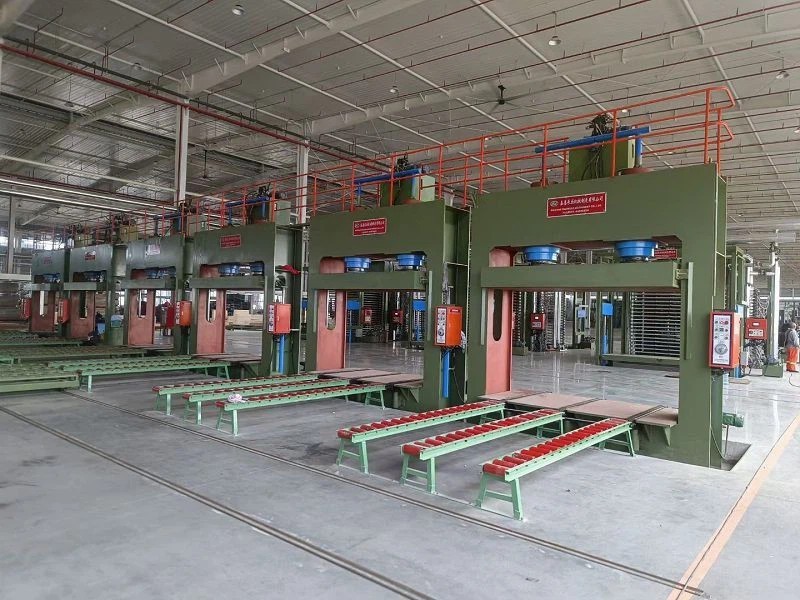
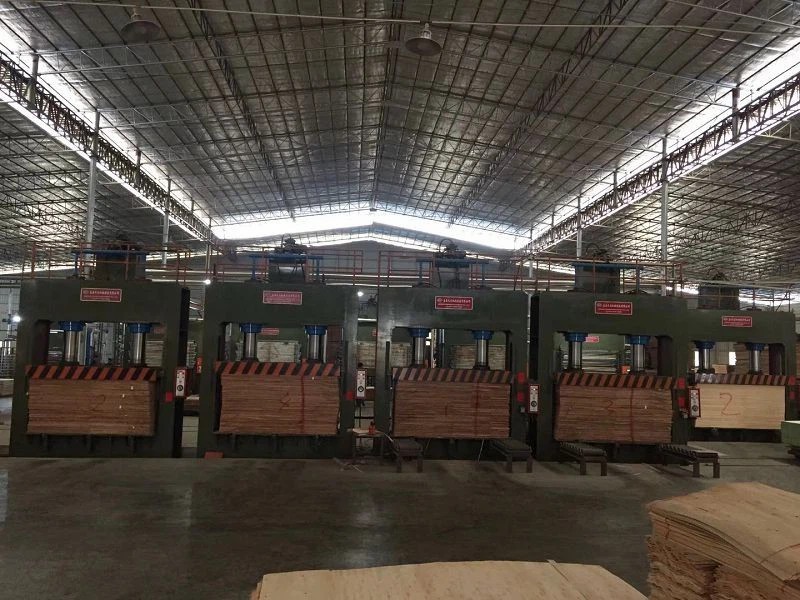
We offer a wide range of single moving plate cold presses, each designed to meet different customer needs. For example, our Cold Press Wood Machine is specifically designed for wood processing. In this machine, temperature control is crucial to prevent the wood from warping or cracking during the pressing process. Our advanced temperature control system ensures that the wood is pressed at the right temperature, resulting in high - quality wood products.
Our 1200 Ton Cold Forming Machine is a heavy - duty machine used for large - scale metal forming. With its powerful cooling system and precise temperature sensors, it can handle high - pressure pressing operations while maintaining the optimal temperature for the metal materials.
The Cold Forging Press is another product in our range. Cold forging requires strict temperature control to ensure the proper deformation of the metal. Our cold forging press is equipped with state - of - the - art temperature control technology to meet these requirements.
Contact Us for Procurement
If you are interested in our single moving plate cold presses and want to learn more about our temperature control technology or discuss your specific requirements, we encourage you to contact us. Our team of experts is ready to provide you with detailed information and help you choose the most suitable machine for your production needs. Whether you are in the wood processing, metal forming, or other industries, our cold presses can offer you high - quality and efficient solutions.
References
- Smith, J. (2018). Temperature Control in Industrial Pressing Processes. Journal of Manufacturing Technology, 25(3), 123 - 135.
- Brown, A. (2019). Advances in Cold Press Technology. Manufacturing Science Review, 12(2), 45 - 56.
- Lee, C. (2020). The Impact of Temperature on Cold Pressing Quality. International Journal of Material Processing, 30(4), 201 - 210.