
Ventilation requirements play a crucial role in the operation of a double moving plate cold press. As a supplier of double moving plate cold presses, I understand the significance of proper ventilation for ensuring the efficient and safe functioning of these machines. In this blog, I will delve into the ventilation requirements for a double moving plate cold press, exploring why they are necessary, the key factors to consider, and how to meet these requirements effectively.
Why Ventilation is Necessary for a Double Moving Plate Cold Press
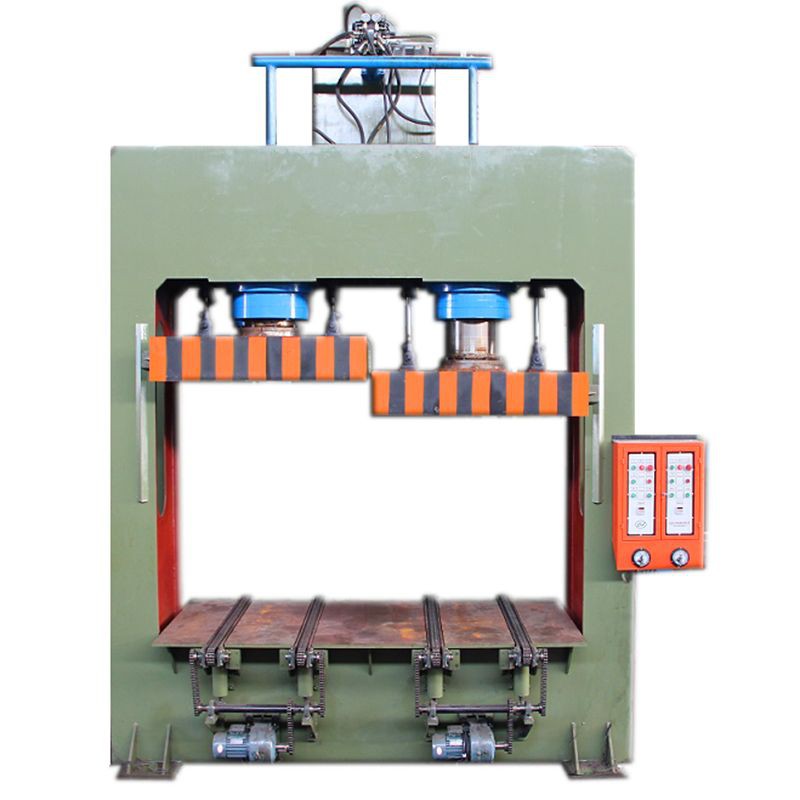
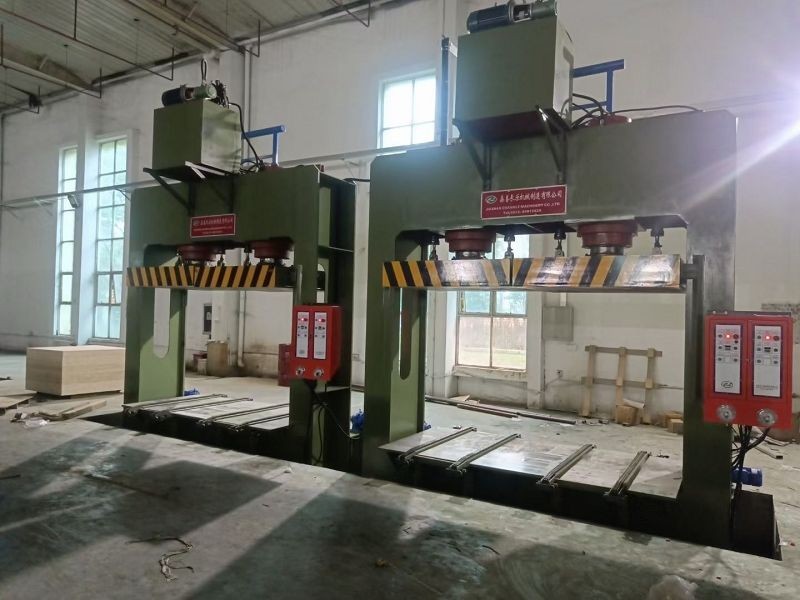
A double moving plate cold press is commonly used in various industries, such as woodworking, cold forming, and hydraulic applications. Cold Press for Woodworking is often employed to bond wood pieces together, while Cold Forming Press is used to shape metal parts without heating, and Hydraulic Cold Press relies on hydraulic power to exert pressure. During the operation of these presses, several factors make ventilation essential:
- Heat Dissipation: The operation of a double moving plate cold press generates heat, especially in the hydraulic system and the motors. Without proper ventilation, this heat can accumulate, leading to overheating of components. Overheating can cause damage to the machine, reduce its efficiency, and even pose a safety risk. Ventilation helps to remove the excess heat, maintaining the optimal operating temperature of the press.
- Removal of Fumes and Dust: In woodworking applications, the cold press may be used with adhesives that emit fumes. These fumes can be harmful to the health of operators if inhaled in large quantities. Additionally, the pressing process may generate dust particles, which can also be a health hazard. Ventilation systems can effectively remove these fumes and dust from the work area, creating a safer and healthier working environment.
- Prevention of Moisture Build - up: Moisture can accumulate in the work area around the cold press, especially in humid conditions. Excessive moisture can lead to corrosion of the machine's components, reducing its lifespan. Ventilation helps to control the humidity level in the work area, preventing moisture build - up and protecting the press from damage.
Key Factors to Consider in Ventilation Requirements
When determining the ventilation requirements for a double moving plate cold press, several key factors need to be considered:
- Machine Size and Power: Larger and more powerful cold presses generally generate more heat and fumes. Therefore, the ventilation system should be sized accordingly to handle the increased load. A larger machine may require a more powerful exhaust fan or a larger ventilation duct to ensure adequate air circulation.
- Work Environment: The location of the cold press and the surrounding environment also play a role in ventilation requirements. If the press is located in a confined space, more ventilation may be needed to maintain good air quality. Additionally, if the work area is prone to high humidity or dust, the ventilation system should be designed to address these specific issues.
- Type of Materials and Processes: Different materials and processes used with the cold press can produce different types and amounts of fumes and dust. For example, using certain types of adhesives in woodworking may generate more toxic fumes than others. The ventilation system should be designed to handle the specific fumes and dust generated by the materials and processes used.
Meeting the Ventilation Requirements
To meet the ventilation requirements for a double moving plate cold press, the following steps can be taken:
- Design a Proper Ventilation System: A well - designed ventilation system should include an exhaust fan, ventilation ducts, and air intake vents. The exhaust fan should be sized to provide sufficient air flow to remove the heat, fumes, and dust from the work area. The ventilation ducts should be properly installed to ensure smooth air flow, and the air intake vents should be located in a way that allows fresh air to enter the work area.
- Regular Maintenance: Regular maintenance of the ventilation system is essential to ensure its proper functioning. This includes cleaning the exhaust fan, checking the ventilation ducts for blockages, and replacing any worn - out components. By maintaining the ventilation system, you can ensure that it continues to provide effective ventilation for the cold press.
- Monitor Air Quality: It is important to monitor the air quality in the work area around the cold press. This can be done using air quality sensors to measure the levels of heat, fumes, and dust. If the air quality is found to be below the acceptable standards, adjustments can be made to the ventilation system to improve it.
Importance of Compliance with Ventilation Standards
Compliance with ventilation standards is not only important for the safety and health of the operators but also for the long - term performance of the double moving plate cold press. Many countries and regions have established ventilation standards for industrial equipment, including cold presses. By complying with these standards, you can ensure that your cold press operates in a safe and efficient manner.
Non - compliance with ventilation standards can lead to several problems. Firstly, it can pose a health risk to the operators, who may be exposed to harmful fumes and dust. Secondly, it can cause damage to the cold press due to overheating or corrosion. Thirdly, it may result in legal issues, as companies may be fined for non - compliance with ventilation regulations.
Conclusion
In conclusion, proper ventilation is essential for the operation of a double moving plate cold press. It helps to dissipate heat, remove fumes and dust, and prevent moisture build - up. When designing a ventilation system for a cold press, factors such as machine size, work environment, and the type of materials and processes used should be considered. Regular maintenance and monitoring of air quality are also important to ensure the effectiveness of the ventilation system.
If you are in the market for a double moving plate cold press or need advice on ventilation requirements, we are here to help. Our team of experts can provide you with the right solutions to meet your specific needs. Contact us today to start a discussion about your procurement requirements and let us work together to find the best cold press and ventilation system for your business.
References
- Industrial Ventilation: A Manual of Recommended Practice, American Conference of Governmental Industrial Hygienists.
- OSHA Standards for Ventilation in Industrial Workplaces.
- Manufacturer's Guidelines for Double Moving Plate Cold Presses.