
In the lumber industry, the question of whether a lumber edger can be used for softwood processing is a significant one. As a lumber edger supplier, I have witnessed firsthand the diverse needs and challenges faced by those involved in softwood processing. In this blog, I will explore the capabilities of a lumber edger in the context of softwood processing, examining its advantages, limitations, and the factors to consider when making a decision.
Understanding Softwood and Its Processing Requirements
Softwood, derived from coniferous trees such as pine, spruce, and fir, is widely used in various industries, including construction, furniture making, and paper production. Softwood is known for its relatively low density, straight grain, and ease of working, making it a popular choice for many applications. However, softwood also presents unique challenges in processing, such as its tendency to split, warp, and have irregular shapes.
The processing of softwood typically involves several steps, including sawing, edging, planing, and drying. Edging is a crucial step in the process, as it involves trimming the rough edges of the lumber to create a straight and uniform board. This not only improves the appearance of the lumber but also ensures its dimensional accuracy and suitability for further processing.
The Role of a Lumber Edger in Softwood Processing
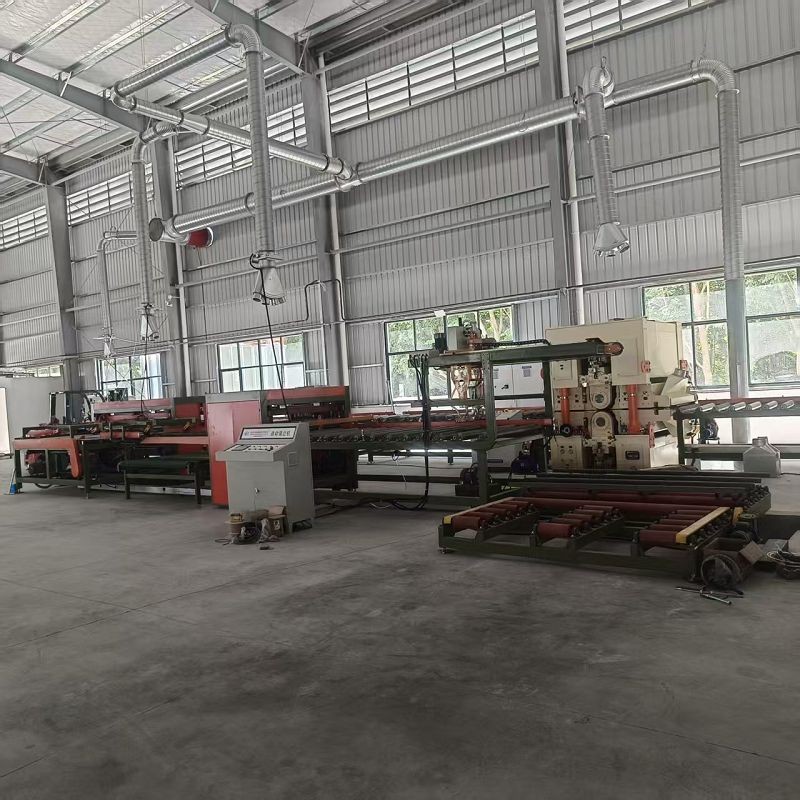
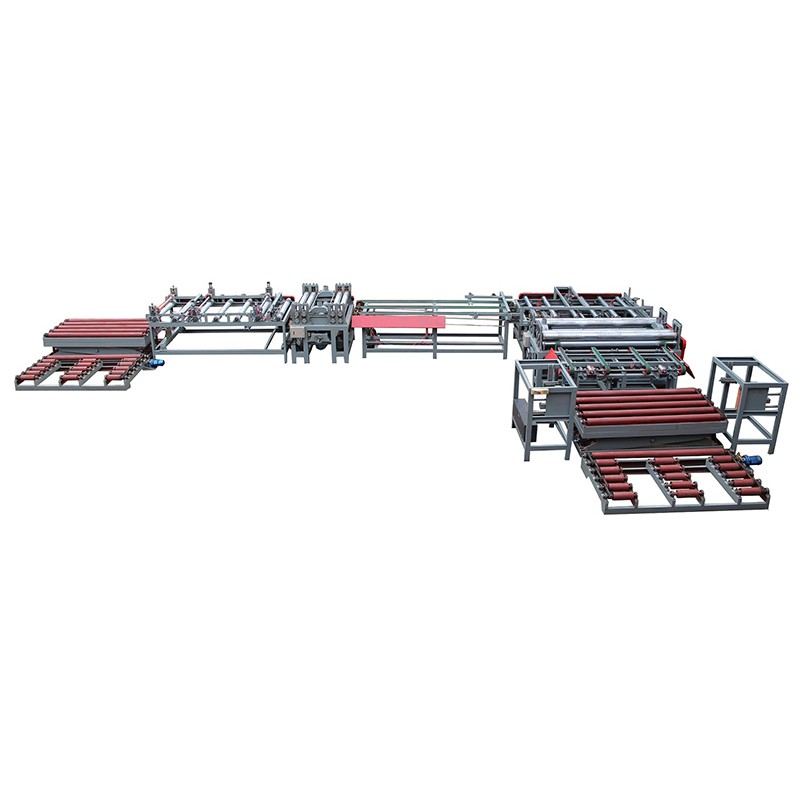
A lumber edger is a specialized machine designed to trim the edges of lumber to a specified width. It uses a series of saw blades or cutting tools to remove the rough edges of the lumber, creating a straight and uniform board. Lumber edgers come in various sizes and configurations, depending on the specific needs of the user.
One of the key advantages of using a lumber edger for softwood processing is its ability to improve the efficiency and accuracy of the edging process. By automating the edging process, a lumber edger can significantly reduce the time and labor required to edge the lumber, allowing for higher production rates and lower costs. Additionally, a lumber edger can ensure consistent and precise cuts, resulting in a higher quality finished product.
Another advantage of using a lumber edger for softwood processing is its versatility. Lumber edgers can be used to edge a wide range of softwood species, including pine, spruce, fir, and cedar. They can also be used to edge lumber of different sizes and thicknesses, making them suitable for a variety of applications.
Factors to Consider When Using a Lumber Edger for Softwood Processing
While a lumber edger can be a valuable tool for softwood processing, there are several factors to consider when using one. These factors include the type of softwood being processed, the size and thickness of the lumber, the cutting speed and feed rate of the edger, and the quality of the saw blades or cutting tools.
The type of softwood being processed is an important factor to consider, as different species of softwood have different characteristics and processing requirements. For example, some softwoods, such as pine, are relatively easy to process, while others, such as cedar, can be more challenging due to their high resin content and tendency to split.
The size and thickness of the lumber are also important factors to consider, as they can affect the performance and efficiency of the edger. Larger and thicker lumber may require a more powerful edger with a higher cutting capacity, while smaller and thinner lumber may require a more precise and delicate edger.
The cutting speed and feed rate of the edger are also important factors to consider, as they can affect the quality and efficiency of the edging process. A higher cutting speed and feed rate can result in faster production rates, but it may also increase the risk of blade wear and tear, as well as the likelihood of splitting or chipping the lumber.
Finally, the quality of the saw blades or cutting tools used in the edger is also an important factor to consider. High-quality saw blades or cutting tools can provide a cleaner and more precise cut, resulting in a higher quality finished product. They can also last longer and require less frequent replacement, reducing the overall cost of operation.
Limitations of Using a Lumber Edger for Softwood Processing
While a lumber edger can be a valuable tool for softwood processing, it also has some limitations. One of the main limitations of using a lumber edger is its inability to handle irregularly shaped or curved lumber. Lumber edgers are designed to edge straight and uniform boards, and they may not be able to handle lumber that is warped, twisted, or has irregular shapes.
Another limitation of using a lumber edger is its relatively high cost. Lumber edgers can be expensive to purchase and maintain, especially for small-scale operations. Additionally, the cost of saw blades or cutting tools can also add up over time, making it important to consider the overall cost of operation when using a lumber edger.
Conclusion
In conclusion, a lumber edger can be a valuable tool for softwood processing, offering several advantages, including improved efficiency, accuracy, and versatility. However, it is important to consider the specific needs and requirements of your operation when deciding whether to use a lumber edger for softwood processing. Factors such as the type of softwood being processed, the size and thickness of the lumber, the cutting speed and feed rate of the edger, and the quality of the saw blades or cutting tools should all be taken into account.
If you are interested in learning more about Lumber Edger and how it can benefit your softwood processing operation, please feel free to contact us. Our team of experts is available to answer any questions you may have and to provide you with a customized solution that meets your specific needs and requirements. We look forward to the opportunity to work with you and to help you achieve your goals in the lumber industry.
References
- Forest Products Laboratory. (2010). Wood handbook: Wood as an engineering material. U.S. Department of Agriculture, Forest Service.
- Smith, J. D. (2015). Lumber processing and manufacturing. CRC Press.
- Wengert, E. M. (2005). Wood machining and sawmill operations. Forest Products Society.