
Non-powered conveyor rollers, also known as gravity conveyor rollers, are a fundamental component in many material handling systems. They are widely used in various industries due to their simplicity, cost - effectiveness, and reliability. As a supplier of Non - powered Conveyor Rollers, I am excited to share with you how these ingenious devices work.
The Basic Principle of Non - powered Conveyor Rollers
At the heart of non - powered conveyor rollers is the principle of gravity. These rollers rely on the natural force of gravity to move objects along the conveyor. When an object is placed on a sloped conveyor with non - powered rollers, the force of gravity causes the object to roll down the slope. The rollers are designed to rotate freely, reducing the friction between the object and the conveyor surface. This allows the object to move smoothly and efficiently.
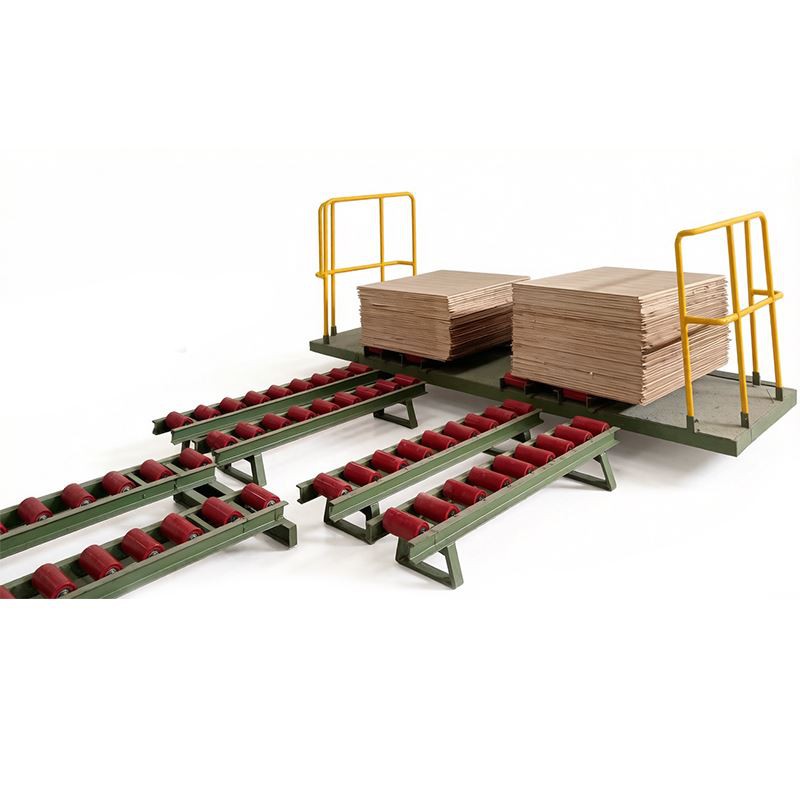
The basic structure of a non - powered conveyor roller consists of a cylindrical tube, usually made of steel, aluminum, or plastic, and two end bearings. The bearings are crucial as they enable the roller to rotate with minimal resistance. When an object is placed on the roller, the weight of the object causes the roller to rotate, and the object moves forward.
Components of Non - powered Conveyor Rollers
Roller Tube
The roller tube is the main part of the non - powered conveyor roller. It provides the surface on which the objects are transported. The material of the roller tube depends on the application. Steel rollers are strong and durable, suitable for heavy - duty applications. Aluminum rollers are lightweight and corrosion - resistant, making them ideal for applications where weight is a concern. Plastic rollers are often used in applications where a smooth surface is required or where the objects being transported are sensitive to scratches.
Bearings
Bearings are essential for the proper functioning of non - powered conveyor rollers. They reduce friction between the roller tube and the axle, allowing the roller to rotate freely. There are different types of bearings used in non - powered conveyor rollers, such as ball bearings and sleeve bearings. Ball bearings offer low friction and high - speed rotation, while sleeve bearings are more suitable for applications with lower speeds and heavier loads.
Axles
Axles are used to support the roller tube and allow it to rotate. They are usually made of steel and are designed to withstand the weight of the objects being transported. The diameter and length of the axles depend on the size and load capacity of the roller.
How Non - powered Conveyor Rollers are Used in Material Handling
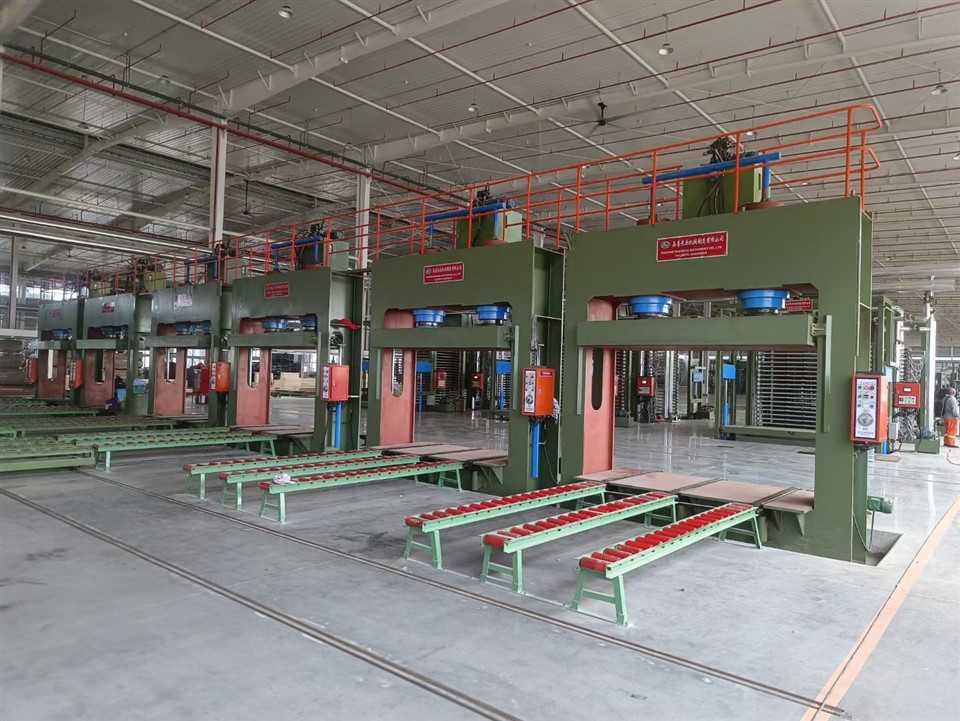
Non - powered conveyor rollers are used in a wide range of material handling applications. One common application is in warehouses and distribution centers. They are used to move boxes, pallets, and other items from one location to another. For example, a non - powered conveyor can be used to transport boxes from a loading dock to a storage area. The boxes are placed on the conveyor at the loading dock, and gravity causes them to roll down the conveyor to the storage area.
Another application is in manufacturing plants. Non - powered conveyor rollers can be used to move parts and components between different workstations. This helps to improve the efficiency of the production process by reducing the time and effort required to move materials manually.
In addition, non - powered conveyor rollers are also used in the packaging industry. They can be used to transport products from the production line to the packaging area. This ensures a smooth and continuous flow of products, reducing the risk of bottlenecks in the production process.
Advantages of Non - powered Conveyor Rollers
Cost - effective
Non - powered conveyor rollers are relatively inexpensive compared to powered conveyors. They do not require any external power source, which means lower energy costs. This makes them an attractive option for small and medium - sized businesses.
Simple to Install and Maintain
Non - powered conveyor rollers are easy to install. They can be easily integrated into existing material handling systems. In addition, they require minimal maintenance. Since they do not have any motors or complex electrical components, there are fewer parts that can break down.
Versatile
Non - powered conveyor rollers can be used in a variety of applications. They can be used to transport different types of objects, including heavy and light items. They can also be configured in different ways, such as straight, curved, or inclined, to meet the specific needs of the application.
Related Products and Their Applications
In addition to non - powered conveyor rollers, there are other related products that can be used in material handling systems. For example, the Longitudinal Board Feeding Suction Frame is a useful tool for feeding boards in sheet metal fabrication. It can be used in conjunction with non - powered conveyor rollers to improve the efficiency of the material handling process.
Another related product is the Roller Conveyor Lift Table. This table can be used to raise and lower the conveyor, allowing for easy loading and unloading of materials. It is especially useful in applications where the height of the conveyor needs to be adjusted.
Contact for Procurement
If you are interested in purchasing non - powered conveyor rollers or any of our related products, we are here to assist you. Our team of experts can provide you with detailed information about our products, including specifications, pricing, and installation. We are committed to providing high - quality products and excellent customer service. Whether you are a small business or a large corporation, we can help you find the right solution for your material handling needs.
References
- "Material Handling Handbook" by the Material Handling Institute
- "Conveyor Systems Design Handbook" by CEMA (Conveyor Equipment Manufacturers Association)