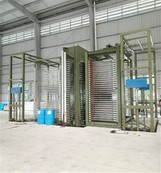

Maintaining a gluing machine is crucial for any business that relies on it for production. As a gluing machine supplier, I've seen firsthand the impact that proper maintenance can have on the performance and longevity of these machines. In this blog post, I'll share some tips on how to maintain a gluing machine to keep it running smoothly and efficiently.
Regular Cleaning
One of the most important aspects of maintaining a gluing machine is regular cleaning. Glue residue can build up over time, causing clogs and affecting the machine's performance. To prevent this, it's essential to clean the machine after each use. Start by wiping down the exterior of the machine with a clean, dry cloth to remove any dust or debris. Then, use a cleaning solution recommended by the manufacturer to clean the interior components, such as the glue tank, rollers, and nozzles. Make sure to follow the manufacturer's instructions carefully to avoid damaging the machine.
Lubrication
Proper lubrication is also essential for the smooth operation of a gluing machine. Over time, the moving parts of the machine can wear down, causing friction and reducing efficiency. To prevent this, it's important to lubricate the machine regularly. Check the manufacturer's recommendations for the type of lubricant to use and how often to apply it. Typically, you'll need to lubricate the machine's bearings, gears, and other moving parts every few months.
Inspection
Regular inspections are another important part of maintaining a gluing machine. By inspecting the machine regularly, you can identify any potential problems before they become serious. Start by checking the machine's electrical connections to make sure they're secure and free of damage. Then, inspect the machine's belts, chains, and other moving parts for signs of wear or damage. If you notice any issues, replace the damaged parts immediately to prevent further damage to the machine.
Calibration
Calibration is an important step in maintaining a gluing machine. Over time, the machine's settings can drift, causing the glue application to be inconsistent. To ensure that the machine is applying the correct amount of glue, it's important to calibrate it regularly. Check the manufacturer's recommendations for how often to calibrate the machine and follow the instructions carefully. Typically, you'll need to adjust the machine's settings based on the type of glue you're using and the thickness of the material you're gluing.
Training
Proper training is essential for anyone who operates a gluing machine. Make sure that all operators are trained on how to use the machine safely and correctly. Provide them with a copy of the machine's user manual and make sure they understand the importance of regular maintenance. Encourage them to report any issues or problems with the machine immediately so that they can be addressed before they become serious.
Troubleshooting
Even with regular maintenance, gluing machines can sometimes experience problems. When this happens, it's important to know how to troubleshoot the issue. Start by checking the machine's user manual for troubleshooting tips. If you're still unable to resolve the issue, contact the manufacturer's technical support team for assistance. They can provide you with more detailed instructions on how to diagnose and fix the problem.
Choosing the Right Gluing Machine
When choosing a gluing machine, it's important to consider your specific needs and requirements. There are many different types of gluing machines available, each with its own features and capabilities. Some of the factors to consider when choosing a gluing machine include the type of glue you'll be using, the thickness of the material you'll be gluing, and the volume of production you'll be doing.
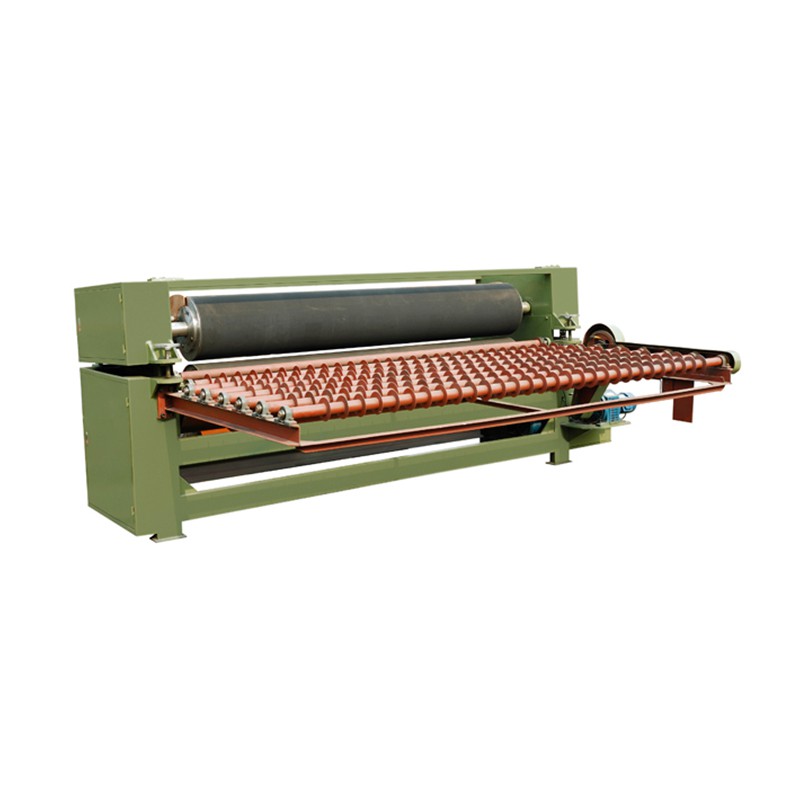
If you're looking for a veneer gluing machine, check out our Veneer Gluing Machine. This machine is designed specifically for veneer applications and can provide precise and consistent glue application.
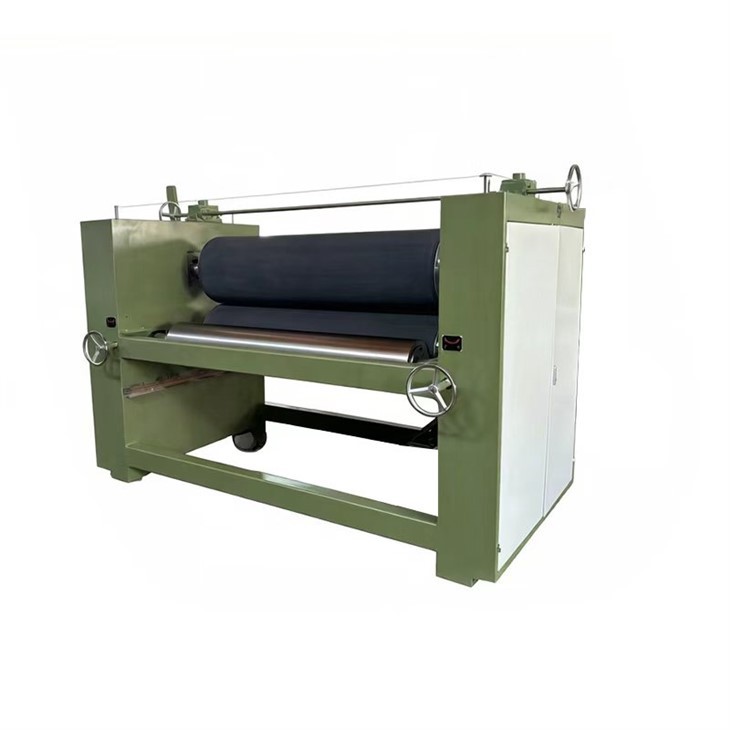
For plywood applications, our Glue Spreader Plywood is a great option. This machine can apply glue to both sides of the plywood simultaneously, making it ideal for high-volume production.
If you're in the woodworking industry, our Woodworking Glue Spreader is a must-have. This machine can apply glue to a variety of woodworking materials, including boards, panels, and frames.
Conclusion
Maintaining a gluing machine is essential for ensuring its performance and longevity. By following the tips outlined in this blog post, you can keep your gluing machine running smoothly and efficiently. Remember to clean the machine regularly, lubricate it, inspect it, calibrate it, train your operators, and troubleshoot any issues that arise. If you're in the market for a new gluing machine, consider our range of products, including the Veneer Gluing Machine, Glue Spreader Plywood, and Woodworking Glue Spreader.
If you have any questions or would like to learn more about our gluing machines, please don't hesitate to contact us. We're here to help you find the right solution for your business.
References
- Manufacturer's user manuals for gluing machines
- Industry best practices for gluing machine maintenance