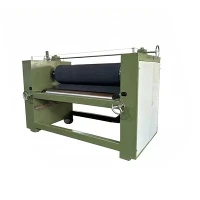

As a supplier of Cold Forming Presses, I've seen firsthand the importance of forming accuracy in the manufacturing process. A high level of accuracy not only ensures the quality of the final product but also boosts efficiency and reduces waste. In this blog, I'll share some practical ways to improve the forming accuracy of a Cold Forming Press.
1. Regular Maintenance and Calibration
First off, regular maintenance is crucial. Just like your car needs an oil change and tune - up, a Cold Forming Press requires routine checks. Over time, the components of the press can wear out, which may lead to inaccuracies in the forming process. For example, the hydraulic cylinders might start to leak, or the guides could become misaligned.
We need to clean the press regularly to prevent the build - up of debris and dust. This build - up can interfere with the movement of parts and cause imprecise forming. Also, lubricating the moving parts is essential. It reduces friction and wear, allowing the press to operate smoothly.
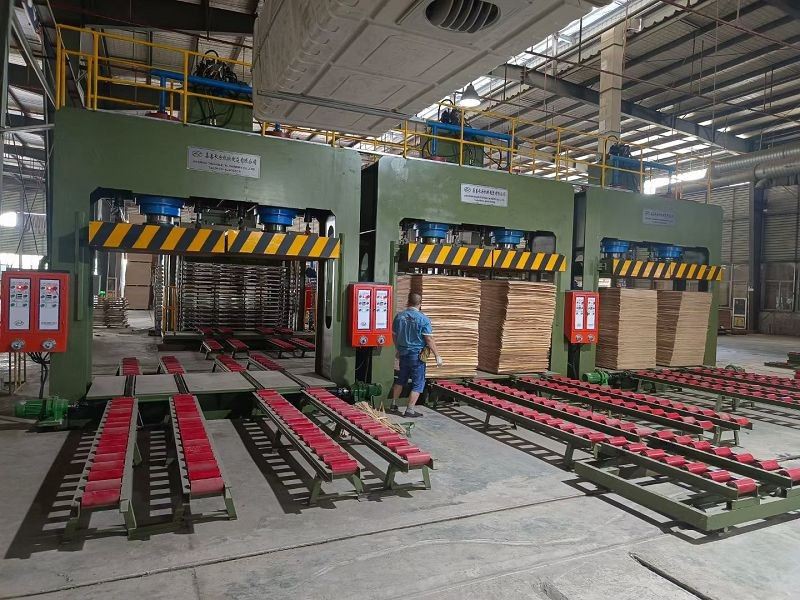
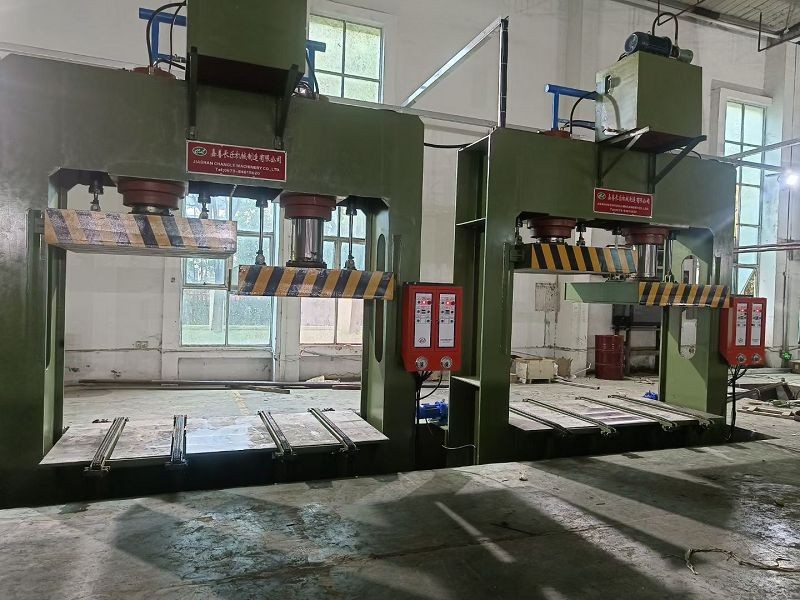
Calibration is another key aspect. We should calibrate the press at regular intervals to ensure that it is operating within the specified tolerances. This involves checking and adjusting parameters such as pressure, speed, and stroke length. A well - calibrated press will produce parts with consistent dimensions. You can find more about our Cold Forming Press on our website Cold Forming Press.
2. High - Quality Tooling
The quality of the tooling used in the Cold Forming Press has a significant impact on forming accuracy. Low - quality tooling may not be able to withstand the high pressures and forces involved in the forming process, leading to deformation or premature wear.
Invest in high - grade tool steels that are resistant to wear and deformation. The tooling should also be designed and manufactured with precision. For example, the dies should have accurate dimensions and smooth surfaces. Any irregularities in the tooling can be transferred to the formed parts, resulting in inaccurate shapes.
When selecting tooling, make sure it is compatible with the specific Cold Forming Press. Different presses have different requirements in terms of size, pressure, and speed. Using the wrong tooling can not only reduce forming accuracy but also damage the press.
3. Material Selection and Preparation
The material being formed also plays a vital role in achieving accurate results. Different materials have different properties, such as hardness, ductility, and elasticity. These properties can affect how the material responds to the forming process.
For example, if the material is too hard, it may require higher pressures to form, which can put more stress on the press and tooling. On the other hand, if the material is too soft, it may deform easily and not hold its shape. Therefore, it's important to select the right material for the specific application.
In addition to material selection, proper material preparation is necessary. This includes processes like annealing, which can improve the material's ductility and reduce internal stresses. Cutting the material to the correct size and shape before forming is also important. Any variations in the starting material can lead to inaccuracies in the final formed part.
4. Advanced Control Systems
Modern Cold Forming Presses are often equipped with advanced control systems. These systems can monitor and adjust various parameters during the forming process in real - time. For example, they can control the pressure, speed, and position of the press with high precision.
Some control systems use sensors to detect any deviations from the set parameters. If a deviation is detected, the system can automatically make adjustments to correct it. This helps to ensure that the forming process is consistent and accurate.
For instance, in a Hydraulic Cold Press, the control system can regulate the hydraulic pressure to maintain a constant force during the forming operation. This is especially important when forming complex shapes or working with materials that require precise pressure control.
5. Operator Training
Even with the best equipment and tooling, the operator's skills and knowledge are crucial for achieving high forming accuracy. Operators should be trained on how to operate the Cold Forming Press correctly. This includes understanding the control panel, setting up the tooling, and performing basic maintenance tasks.
Training should also cover safety procedures. A safe working environment is essential for both the operator and the quality of the formed parts. For example, if an operator is not following safety protocols, it could lead to an accident that damages the press or affects the forming accuracy.
Moreover, operators should be trained to recognize and troubleshoot common problems. They should be able to identify signs of wear, misalignment, or other issues that could affect the forming process. By addressing these problems early, they can prevent more serious issues from occurring.
6. Environmental Factors
The environment in which the Cold Forming Press operates can also impact forming accuracy. Temperature and humidity can affect the properties of the material and the performance of the press. For example, in a hot and humid environment, the material may expand or become more prone to corrosion.
It's important to control the environmental conditions in the workshop. This can be achieved by using air - conditioning and dehumidifiers. Maintaining a stable temperature and humidity level can help to ensure that the material and the press operate consistently.
7. Quality Control and Inspection
Implementing a comprehensive quality control and inspection process is essential for improving forming accuracy. After each forming operation, the formed parts should be inspected for dimensional accuracy and surface quality. This can be done using measuring tools such as calipers, micrometers, and coordinate measuring machines (CMMs).
Any parts that do not meet the specified tolerances should be identified and analyzed. This can help to determine the root cause of the problem, whether it's related to the press, the tooling, the material, or the operator. By taking corrective actions based on the inspection results, we can continuously improve the forming accuracy.
Conclusion
Improving the forming accuracy of a Cold Forming Press is a multi - faceted process that involves regular maintenance, high - quality tooling, proper material selection and preparation, advanced control systems, operator training, environmental control, and quality control. By implementing these strategies, we can ensure that the Cold Forming Press produces high - quality parts with consistent accuracy.
If you're in the market for a Cold Forming Press or need to improve the accuracy of your existing press, we're here to help. Our team of experts can provide you with the right solutions and support. Check out our Cold Press for Woodworking and other products on our website. Contact us to start a procurement discussion and take your manufacturing process to the next level.
References
- "Cold Forming Technology Handbook"
- "Advanced Manufacturing Processes"
- Industry research reports on Cold Forming Presses