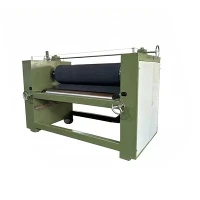

Hey there! As a supplier of Cold Forming Presses, I often get asked about how to ensure the alignment of the punch and die in these machines. It's a crucial aspect that can significantly impact the quality of the cold - forming process. So, let's dive right into it.
Why Alignment Matters
First off, why is the alignment of the punch and die so important? Well, when the punch and die are properly aligned, you get consistent and high - quality parts. Misalignment can lead to a whole bunch of problems. For example, it can cause uneven wear on the punch and die, which shortens their lifespan. It might also result in parts that don't meet the required specifications, leading to increased scrap rates and higher production costs. In extreme cases, misaligned punches and dies can even cause machine breakdowns, which means downtime and lost productivity.
Initial Setup and Installation
The alignment process starts right from the installation of the Cold Forming Press. When setting up the machine, it's essential to ensure that the base is level. A level base provides a stable foundation for the press, which is the first step towards proper punch - die alignment. You can use a high - quality spirit level to check the base's levelness. Any deviation from the level can cause the press to operate at an angle, leading to misalignment.
Next, make sure the die set is installed correctly. The die set should be securely fastened to the press bed. Loose die sets can shift during operation, throwing off the alignment. When installing the die set, use the appropriate tools and follow the manufacturer's instructions carefully. It's also a good idea to clean the mounting surfaces of the press bed and the die set before installation to remove any debris or dirt that could affect the alignment.
Using Precision Measuring Tools
Precision measuring tools are your best friends when it comes to ensuring punch - die alignment. One of the most commonly used tools is a dial indicator. A dial indicator can measure small displacements with high accuracy. You can use it to check the parallelism between the punch and the die. To do this, mount the dial indicator on the press frame and position its probe against the side of the punch. Then, move the punch up and down and observe the readings on the dial indicator. If the readings vary significantly, it indicates that the punch and die are not parallel.
Another useful tool is a feeler gauge. Feeler gauges are used to measure the clearance between the punch and the die. A consistent clearance is crucial for proper forming. Insert the feeler gauge between the punch and the die at different points around the perimeter. If the clearance is not uniform, you'll need to make adjustments to align the punch and die.
Adjusting the Punch and Die
Once you've identified the misalignment, it's time to make adjustments. Most Cold Forming Presses come with adjustment mechanisms. These can include shims, bolts, or hydraulic actuators. Shims are thin pieces of metal that can be inserted or removed to change the position of the punch or die. For example, if the punch is too low on one side, you can add shims under that side to raise it.
Bolts can also be used for adjustment. By tightening or loosening the bolts that hold the punch or die in place, you can fine - tune their position. Hydraulic actuators offer a more precise and automated way of making adjustments. They can be controlled electronically to move the punch or die in small increments, allowing for very accurate alignment.
Regular Maintenance and Inspection
Alignment is not a one - time thing. It requires regular maintenance and inspection. Set up a maintenance schedule to check the alignment of the punch and die at regular intervals. During these inspections, use the precision measuring tools we mentioned earlier to ensure that the alignment is still within the acceptable range.
Also, keep an eye on the wear and tear of the punch and die. As they wear, the alignment can change. If you notice excessive wear, it might be time to replace the punch or die. Regular lubrication of the punch and die is also important. Lubrication reduces friction, which helps to prevent uneven wear and maintain proper alignment.
Operator Training
Last but not least, operator training is crucial. A well - trained operator knows how to set up the press correctly, use the measuring tools, and make adjustments. Provide comprehensive training to your operators on the alignment process. Make sure they understand the importance of alignment and how to identify and correct misalignment issues.
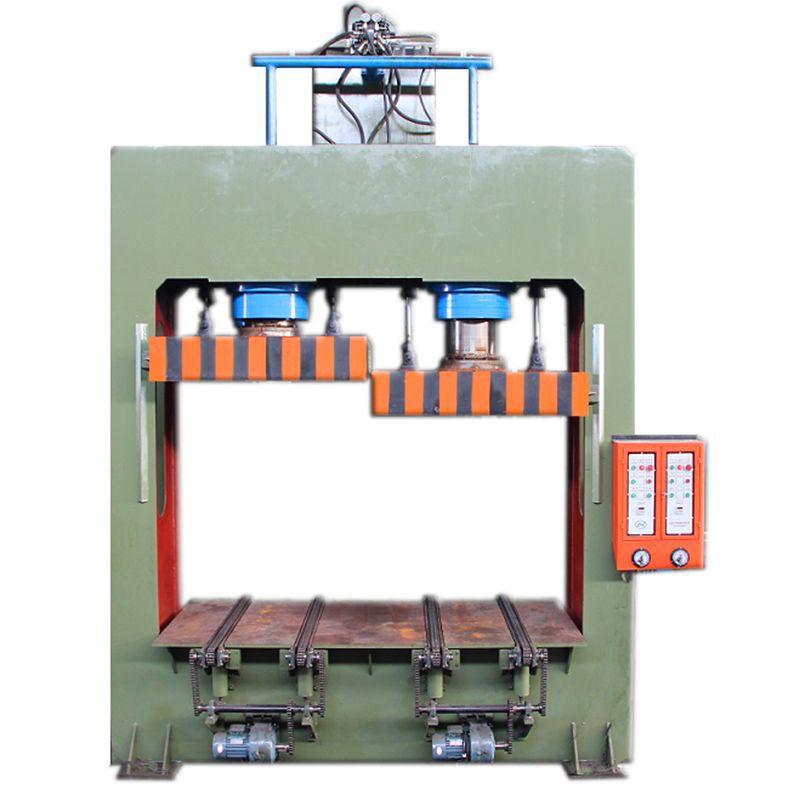
Now, if you're in the market for a Cold Forming Press, we've got some great options for you. Check out our Hydraulic Cold Press, which offers high - performance and precise control. We also have a Cold Press for Woodworking that's perfect for wood - related cold - forming applications. And of course, our Cold Forming Press is designed to meet the diverse needs of different industries.
If you're interested in learning more about our Cold Forming Presses or have any questions about punch - die alignment, don't hesitate to reach out. We're here to help you make the best decision for your production needs.

References
- Smith, J. (2018). Handbook of Cold Forming Press Operations. Publisher X.
- Johnson, A. (2020). Precision Alignment in Metal Forming. Journal of Manufacturing Technology.