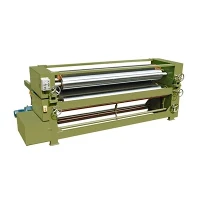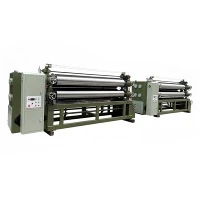

As a supplier of Roller Conveyor Lift Tables, I've witnessed firsthand the diverse range of loads these remarkable pieces of equipment can handle. In this blog, I'll delve into how a Roller Conveyor Lift Table manages different types of loads, exploring the mechanisms, features, and considerations that make it a versatile solution in various industrial settings.
Understanding the Basics of a Roller Conveyor Lift Table
A Roller Conveyor Lift Table is a combination of a conveyor system and a lifting mechanism. The conveyor part consists of a series of rollers that facilitate the movement of loads, while the lift table can raise or lower the conveyor to different heights. This dual functionality allows for efficient loading, unloading, and transportation of goods within a facility.
Handling Lightweight Loads
Lightweight loads, typically those weighing less than a few hundred pounds, are relatively easy for a Roller Conveyor Lift Table to manage. The smooth - rolling action of the conveyor rollers enables the quick and effortless movement of these loads. For example, in a small - scale e - commerce warehouse, where packages of clothing or small electronics are being processed, a Roller Conveyor Lift Table can swiftly move these items from one workstation to another.
The low - friction nature of the rollers reduces the amount of force required to move the loads. Additionally, the lift table can be adjusted to the optimal height for workers, minimizing the need for bending or reaching, which improves ergonomics and reduces the risk of injuries. For lightweight loads, the conveyor can often operate at higher speeds, increasing the overall throughput of the system.
Dealing with Heavy - Duty Loads
When it comes to heavy - duty loads, such as large machinery parts or pallets filled with heavy materials, a Roller Conveyor Lift Table needs to be engineered to handle the increased weight. The construction of the lift table and the conveyor rollers must be robust. High - strength steel is commonly used for the frame and the rollers to ensure durability.
The lifting mechanism is also designed to support the heavy loads. Hydraulic systems are often employed in heavy - duty Roller Conveyor Lift Tables because they can provide the necessary force to raise and lower the loads safely. The conveyor rollers are spaced closer together to distribute the weight evenly and prevent sagging. For instance, in a manufacturing plant that produces large metal components, a heavy - duty Roller Conveyor Lift Table can be used to transport these components between different production stages.
Managing Irregularly Shaped Loads
Irregularly shaped loads present a unique challenge for a Roller Conveyor Lift Table. These loads may not sit evenly on the rollers, which can cause instability during transportation. To address this issue, some Roller Conveyor Lift Tables are equipped with adjustable side guides. These guides can be positioned to keep the irregularly shaped loads centered on the conveyor, preventing them from falling off.
In addition, the rollers can be designed with different surface textures. For example, rubber - coated rollers can provide better grip for irregularly shaped loads, reducing the risk of slippage. In a woodworking shop, where pieces of lumber or carved wooden objects have non - standard shapes, a Roller Conveyor Lift Table with adjustable guides and rubber - coated rollers can effectively handle these items.
Accommodating Different Load Sizes
Roller Conveyor Lift Tables can be customized to accommodate a wide range of load sizes. The length and width of the conveyor can be adjusted according to the specific requirements of the application. For small loads, a narrow conveyor may be sufficient, while larger loads may require a wider conveyor.
The lift table can also be designed with different lifting capacities and stroke lengths. A longer stroke length allows the table to reach greater heights, which is useful for loading and unloading from tall storage racks or trucks. For example, in a distribution center that deals with a variety of package sizes, a Roller Conveyor Lift Table with adjustable dimensions can be used to handle everything from small parcels to large crates.
Special Features for Specific Loads
Some loads may require special features on the Roller Conveyor Lift Table. For example, loads that are sensitive to static electricity may need a conveyor with anti - static properties. In an electronics manufacturing facility, where electronic components are highly susceptible to static damage, an anti - static Roller Conveyor Lift Table can be used to ensure the safe handling of these components.
Loads that need to be cooled or heated during transportation may require a conveyor with temperature - controlled features. In the food industry, where perishable goods need to be kept at a specific temperature, a Roller Conveyor Lift Table with a built - in refrigeration or heating system can be employed.
Integration with Other Equipment
A Roller Conveyor Lift Table can be integrated with other equipment in a production or distribution system to enhance its functionality. For example, it can be connected to a Scissor Lift Roller Conveyor to create a more complex material handling system. The scissor lift can provide additional vertical movement, allowing for more flexible loading and unloading options.
It can also be integrated with a Rgv Intelligent Transport Vehicle. The Rgv can transport the loads to different locations within the facility, and the Roller Conveyor Lift Table can be used for the initial loading and unloading. This integration improves the overall efficiency of the material handling process.


Maintenance and Safety Considerations
Proper maintenance is crucial for a Roller Conveyor Lift Table to handle different types of loads effectively. Regular inspection of the rollers, the lift mechanism, and the electrical or hydraulic systems is necessary to ensure smooth operation. Lubrication of the rollers and moving parts can reduce friction and extend the lifespan of the equipment.
Safety is also a top priority. The Roller Conveyor Lift Table should be equipped with safety features such as emergency stop buttons, overload protection, and safety guards. Workers should be trained on how to operate the equipment safely, especially when handling heavy or irregularly shaped loads.
Conclusion
A Roller Conveyor Lift Table is a highly versatile piece of equipment that can handle a wide variety of loads. Whether it's lightweight packages, heavy - duty machinery parts, irregularly shaped objects, or loads with special requirements, the Roller Conveyor Lift Table can be customized and engineered to meet the specific needs of different industries.
If you're in the market for a Roller Conveyor Lift Table to handle your unique loads, I encourage you to reach out for a consultation. Our team of experts can help you select the right equipment and provide you with the support you need to ensure a successful implementation.
References
- "Material Handling Equipment Handbook" by John A. White
- "Industrial Conveyor Systems: Design and Operation" by Michael J. Brennan