

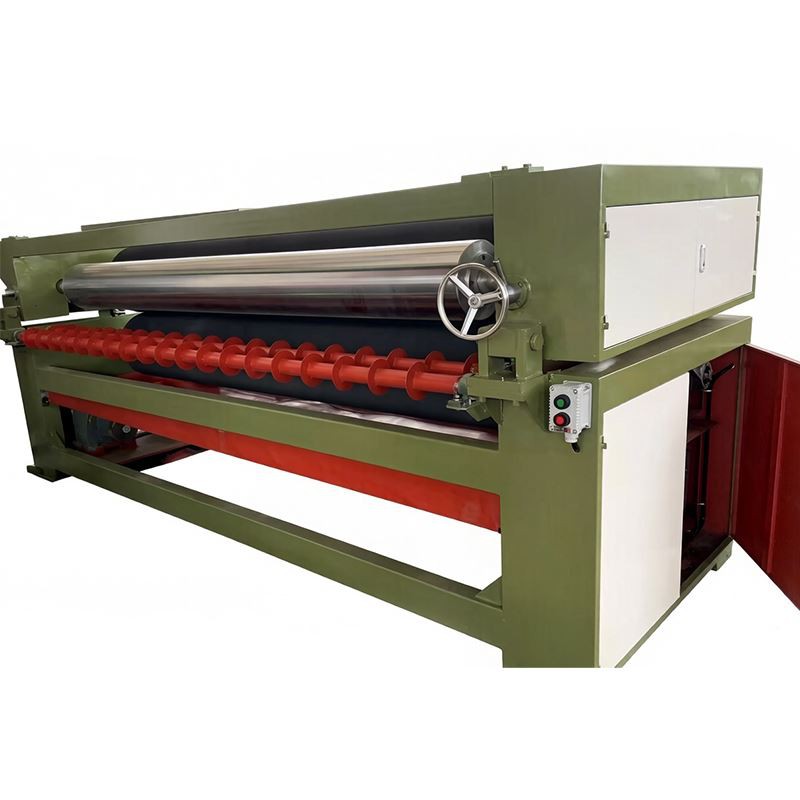
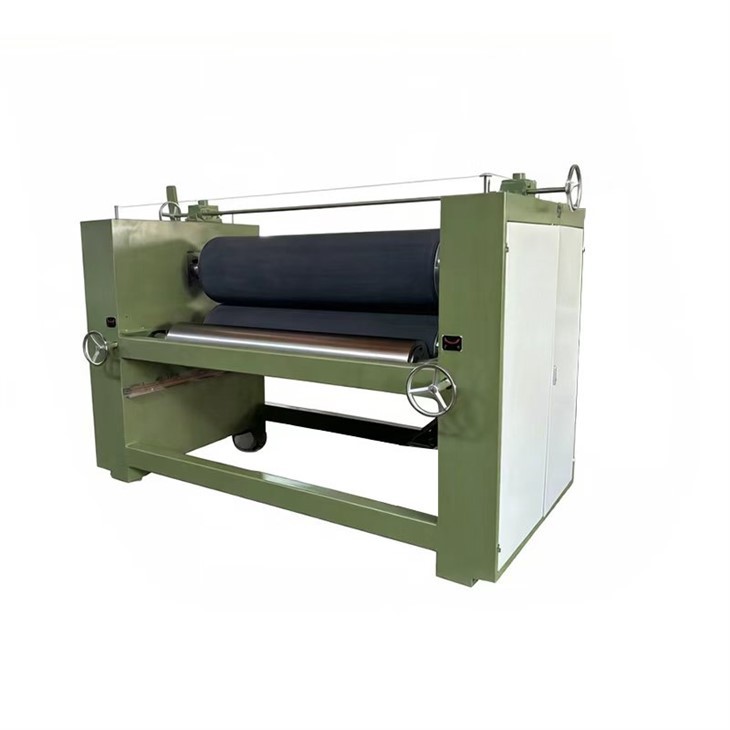
Hey there! As a supplier of single side gluing machines, I've seen firsthand the importance of reliability in these machines. A reliable single side gluing machine can significantly boost productivity, cut down on downtime, and save you a ton of money in the long run. So, today I'm gonna share some tips on how to improve the reliability of a single side gluing machine.
1. Regular Maintenance
One of the most crucial steps in improving the reliability of a single side gluing machine is regular maintenance. Just like your car needs regular oil changes and tune - ups, a gluing machine needs proper care.
- Cleaning: Make sure to clean the machine after each use. Glue residue can build up over time and cause clogs in the glue dispensing system. Use a mild solvent to clean the glue applicators, rollers, and other parts that come into contact with the glue. A clean machine runs more smoothly and is less likely to break down.
- Lubrication: Lubricate the moving parts of the machine regularly. This includes the bearings, gears, and chains. Proper lubrication reduces friction, which in turn extends the lifespan of these components. Check the manufacturer's guidelines for the right type of lubricant to use and how often to apply it.
- Inspection: Conduct regular inspections of the machine. Look for signs of wear and tear, such as loose belts, damaged rollers, or leaks in the glue system. Catching these issues early can prevent more serious problems down the line. You can do a visual inspection yourself, but it's also a good idea to have a professional technician perform a more in - depth inspection every few months.
2. Quality Glue Selection
The type of glue you use in your single side gluing machine can have a big impact on its reliability.
- Compatibility: Make sure the glue you choose is compatible with the materials you're gluing. Different materials, like wood, board, or veneer, require different types of glue. For example, if you're working with wood, you might want to check out our Wood Gluing Machine and use a glue specifically designed for wood. Using the wrong glue can lead to poor adhesion, which may cause the machine to work harder and increase the risk of breakdown.
- Quality: Invest in high - quality glue. Cheaper glues may seem like a good deal at first, but they can contain impurities that can clog the machine's glue system. High - quality glues are more consistent in their viscosity and performance, which helps the machine operate more reliably.
3. Operator Training
Well - trained operators are key to the reliable operation of a single side gluing machine.
- Proper Operation: Teach your operators how to operate the machine correctly. This includes setting the right glue thickness, adjusting the speed of the conveyor, and loading the materials properly. Incorrect operation can put unnecessary stress on the machine and lead to malfunctions.
- Troubleshooting: Provide training on basic troubleshooting techniques. Operators should know how to identify common problems, such as a clogged glue nozzle or a misaligned roller, and how to fix them. This can save a lot of time and prevent minor issues from turning into major breakdowns.
4. Upgrading Components
Over time, some components of the single side gluing machine may become outdated or worn out. Upgrading these components can improve the machine's reliability.
- Glue Pump: A high - quality glue pump can ensure a more consistent flow of glue. If your current glue pump is old or not working well, consider upgrading it. A new pump can reduce the risk of glue blockages and improve the overall performance of the machine.
- Control System: Updating the control system of the machine can also enhance its reliability. Modern control systems offer more precise control over the machine's functions, such as glue application and conveyor speed. This can lead to more consistent results and fewer errors.
5. Environmental Considerations
The environment in which the single side gluing machine operates can affect its reliability.
- Temperature and Humidity: Extreme temperatures and high humidity can have a negative impact on the machine. Glue can dry out too quickly in hot and dry conditions, while high humidity can cause the glue to become too thin. Try to maintain a stable temperature and humidity level in the area where the machine is located.
- Dust and Debris: Keep the area around the machine clean and free of dust and debris. Dust can get into the machine's moving parts and cause damage. Use a dust collector if necessary to keep the air clean.
6. Monitoring and Data Analysis
Monitoring the performance of the single side gluing machine can help you identify potential problems before they become serious.
- Sensor Technology: Many modern single side gluing machines are equipped with sensors that can monitor various parameters, such as glue flow, temperature, and speed. Use these sensors to track the machine's performance over time. If you notice any abnormal readings, you can take action immediately.
- Data Analysis: Analyze the data collected from the sensors to identify trends and patterns. For example, if you notice that the glue flow is gradually decreasing over time, it could be a sign of a clog in the system. By analyzing the data, you can make informed decisions about maintenance and repairs.
7. Backup and Redundancy
Having a backup plan in case of machine failure is essential for maintaining productivity.
- Spare Parts: Keep a stock of essential spare parts, such as glue nozzles, rollers, and belts. This way, if a part fails, you can replace it quickly and get the machine back up and running.
- Redundant Machines: If possible, have a redundant single side gluing machine. This can be especially useful in high - volume production environments. In case one machine breaks down, the other can take over, minimizing downtime.
In conclusion, improving the reliability of a single side gluing machine requires a combination of regular maintenance, quality glue selection, operator training, component upgrades, environmental control, monitoring, and backup planning. By following these tips, you can ensure that your single side gluing machine operates smoothly and efficiently, saving you time and money in the long run.
If you're in the market for a reliable single side gluing machine, whether it's a Board Gluing Machine, Wood Gluing Machine, or Veneer Gluing Machine, we're here to help. Feel free to reach out to us to discuss your specific needs and start a procurement discussion.
References
- Manufacturer's manuals for single side gluing machines
- Industry best practices for gluing machine maintenance and operation
- Research on glue technology and its impact on machine performance


