

Cleaning a sawmill board edger is a crucial maintenance task that ensures the machine operates at peak efficiency, produces high - quality lumber, and has a long service life. As a supplier of Sawmill Board Edger, I understand the importance of proper cleaning and maintenance. In this blog, I will guide you through the step - by - step process of cleaning a sawmill board edger.
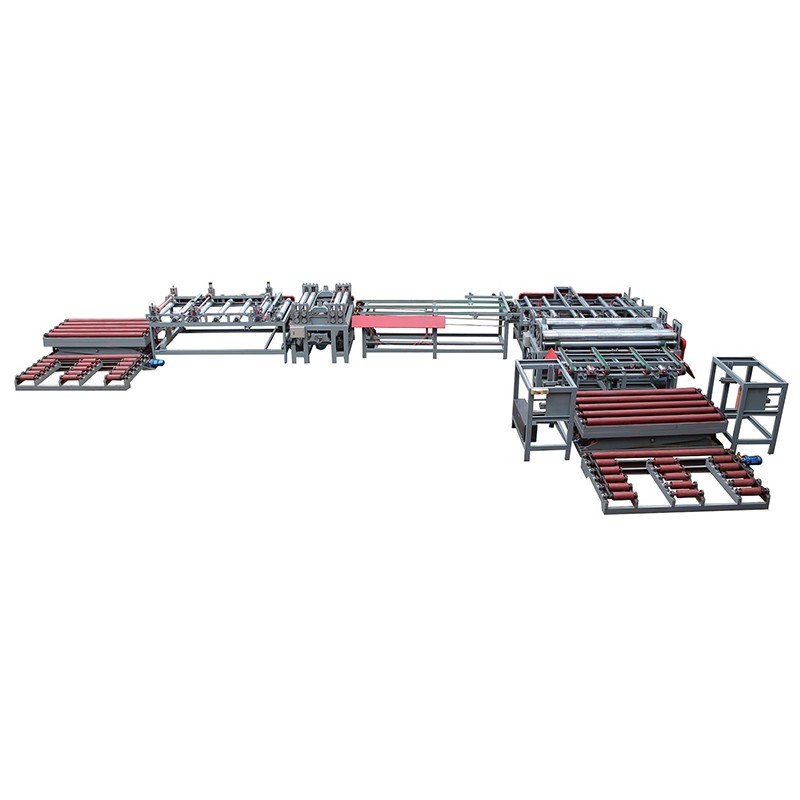
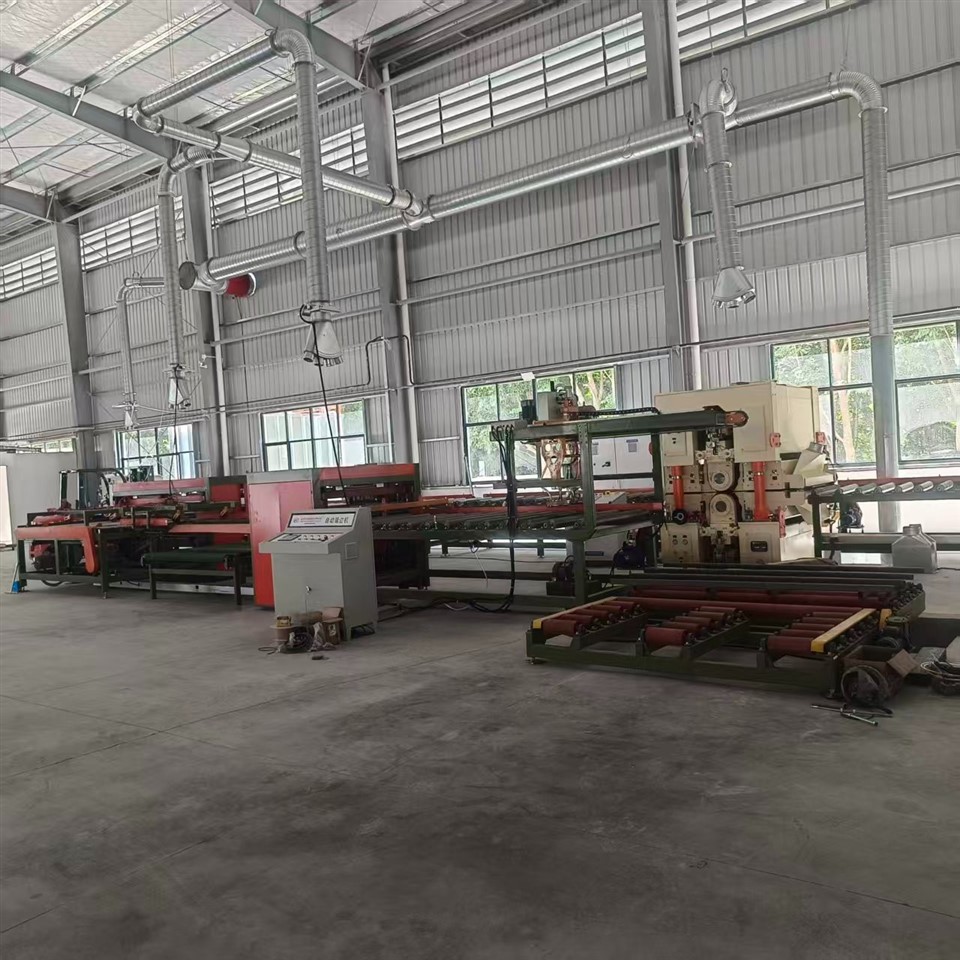
Pre - cleaning Preparations
Before you start cleaning the sawmill board edger, it is essential to take some safety precautions. First, ensure that the machine is completely powered off and unplugged from the electrical source. This prevents any accidental start - up during the cleaning process, which could lead to serious injuries.
Next, gather all the necessary cleaning tools. You will need a variety of brushes, including wire brushes for removing stubborn debris and soft - bristle brushes for more delicate parts. A vacuum cleaner is also very useful for sucking up sawdust and small particles. Additionally, have a supply of cleaning solvents, such as degreasers, that are suitable for the materials used in the edger. Make sure to wear appropriate personal protective equipment (PPE), such as safety glasses, gloves, and a dust mask.
Cleaning the Cutting Blades
The cutting blades are one of the most critical components of the sawmill board edger. Over time, they can accumulate sawdust, resin, and other debris, which can affect their cutting performance. Start by carefully removing the blades from the edger according to the manufacturer's instructions.
Use a wire brush to scrub the blades gently, removing any large chunks of debris. For more stubborn resin and pitch, apply a degreaser and let it soak for a few minutes. Then, use a soft - bristle brush to clean the edges of the blades. Be very careful not to damage the sharp edges of the blades during the cleaning process.
After cleaning, rinse the blades thoroughly with clean water and dry them completely. You can use a clean cloth or compressed air to ensure that there is no moisture left on the blades. Once dry, you can apply a light coat of lubricant to the blades to prevent rusting.
Cleaning the Conveyor System
The conveyor system is responsible for moving the boards through the edger. It can accumulate a significant amount of sawdust and debris, which can cause the conveyor to operate inefficiently or even malfunction. Start by using a vacuum cleaner to remove as much sawdust as possible from the conveyor belts, rollers, and other components.
For areas that are difficult to reach with the vacuum, use a brush to dislodge the debris. Pay special attention to the areas around the rollers and the edges of the conveyor belts. If there is any sticky residue on the conveyor, apply a degreaser and use a cloth to wipe it clean.
Check the tension of the conveyor belts. If they are too loose or too tight, it can affect the movement of the boards. Adjust the tension according to the manufacturer's specifications. Also, inspect the rollers for any signs of wear or damage. Replace any worn - out rollers to ensure smooth operation of the conveyor system.
Cleaning the Frame and Housing
The frame and housing of the sawmill board edger can also collect a lot of dust and debris. Use a vacuum cleaner to remove the loose dust from the exterior surfaces. Then, use a damp cloth with a mild cleaning solution to wipe down the frame and housing.
Pay attention to the corners and crevices where dust can accumulate. For stubborn dirt, you can use a soft - bristle brush to scrub the area gently. Make sure to dry the frame and housing thoroughly after cleaning to prevent rusting.
Cleaning the Electrical Components
Electrical components in the sawmill board edger need to be cleaned carefully to avoid damage. Start by using a compressed air can to blow out any dust from the electrical panels, switches, and motors. Be very careful not to touch the electrical components with your hands or any wet objects.
If there is any visible dirt or debris on the electrical components, use a dry, soft - bristle brush to gently clean them. Do not use any liquid cleaners on the electrical components unless specifically recommended by the manufacturer.
Lubrication after Cleaning
After cleaning the sawmill board edger, it is important to lubricate the moving parts. Refer to the manufacturer's manual to determine the appropriate lubricants and the areas that need to be lubricated. Apply the lubricant to the bearings, gears, and other moving parts according to the recommended intervals and amounts.
Proper lubrication reduces friction, extends the life of the components, and ensures smooth operation of the edger. Make sure to wipe off any excess lubricant to prevent it from attracting dust and debris.
Regular Maintenance Schedule
To keep your sawmill board edger in optimal condition, it is recommended to establish a regular maintenance schedule. This includes daily, weekly, monthly, and annual cleaning and maintenance tasks.
Daily tasks may include removing sawdust from the work area and checking the conveyor belts for proper tension. Weekly tasks could involve cleaning the cutting blades and inspecting the electrical components. Monthly tasks may include a more thorough cleaning of the entire edger, including the frame and housing. Annual tasks could involve a comprehensive inspection and maintenance of all components, including replacing any worn - out parts.
Benefits of Regular Cleaning
Regular cleaning of the sawmill board edger offers several benefits. Firstly, it improves the cutting performance of the edger. Clean blades and a well - maintained conveyor system ensure that the boards are cut accurately and smoothly, resulting in high - quality lumber.
Secondly, regular cleaning extends the service life of the edger. By removing debris and preventing rust and wear, you can reduce the risk of breakdowns and costly repairs. This saves you money in the long run and keeps your sawmill operation running smoothly.
Thirdly, a clean sawmill board edger creates a safer working environment. Removing sawdust and debris reduces the risk of fire hazards and improves air quality in the workplace.
Conclusion
Cleaning a sawmill board edger is a necessary and rewarding task. By following the steps outlined in this blog, you can ensure that your edger operates efficiently, produces high - quality lumber, and has a long service life. As a supplier of Sawmill Board Edger, Lumber Edger, and Sawmill Edger, we are committed to providing you with the best products and support. If you are interested in purchasing a sawmill board edger or have any questions about its maintenance, please feel free to contact us for further discussion.
References
- Manufacturer's manual of the sawmill board edger
- Industry best practices for sawmill equipment maintenance


