

What is the cutting force of a Lumber Edger?
Hey there, folks! I'm a supplier of Lumber Edgers, and today I want to dive deep into the fascinating topic of the cutting force of a Lumber Edger. You might be wondering, "What's the big deal about cutting force?" Well, let me tell you, it's a crucial factor that can make or break the performance of your lumber processing operations.

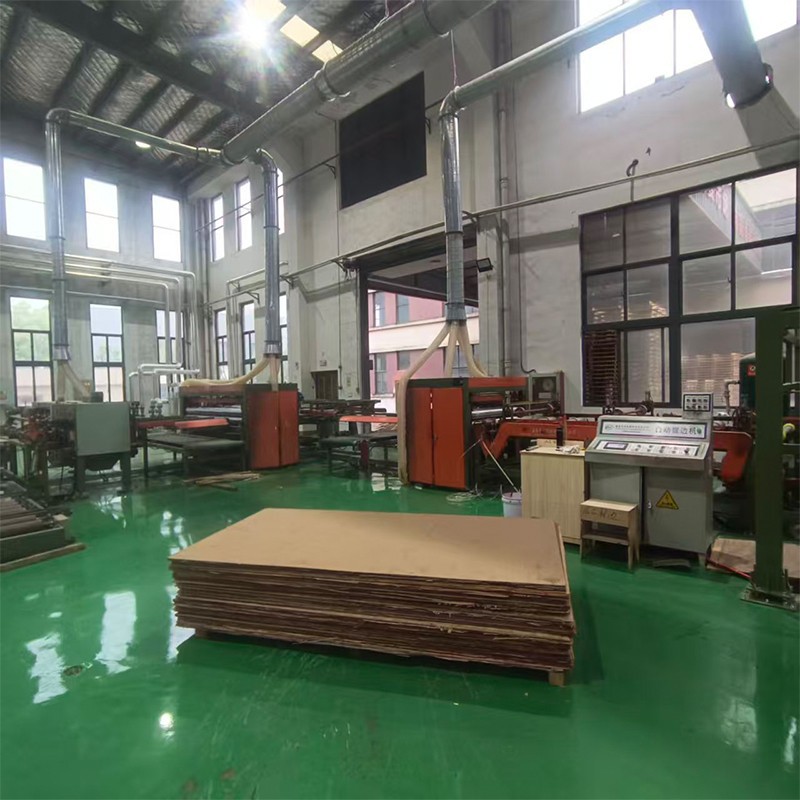
First off, let's understand what cutting force actually is. In simple terms, the cutting force of a Lumber Edger is the amount of force required to cut through the wood. It's influenced by several factors, including the type of wood, the sharpness of the blades, the feed rate, and the design of the edger itself.
The type of wood plays a significant role in determining the cutting force. Different woods have different densities and hardness levels. For example, hardwoods like oak and maple are much denser and harder than softwoods like pine and spruce. As a result, cutting through hardwoods requires more cutting force compared to softwoods. If you're dealing with a lot of hardwood in your lumber processing, you'll need a Lumber Edger that can generate sufficient cutting force to handle the job.
The sharpness of the blades is another critical factor. Dull blades not only require more cutting force but also produce a poor-quality cut. When the blades are sharp, they can slice through the wood more easily, reducing the amount of force needed. That's why it's essential to regularly sharpen or replace the blades on your Lumber Edger. A well - maintained blade can significantly improve the cutting efficiency and reduce the overall cutting force required.
The feed rate also affects the cutting force. A higher feed rate means the wood is moving through the edger more quickly. While this can increase productivity, it also requires more cutting force. If the feed rate is too high for the edger's cutting capacity, it can lead to overloading the machine and poor cutting quality. On the other hand, a very low feed rate may not be efficient, but it will require less cutting force. You need to find the right balance between feed rate and cutting force to optimize your lumber processing.
Now, let's talk about the design of the Lumber Edger. A well - designed edger is engineered to distribute the cutting force evenly across the blades. This helps in reducing the stress on individual blades and ensures a smooth and efficient cutting process. Some advanced Lumber Edgers come with features like adjustable blade pressure and variable speed controls, which allow you to fine - tune the cutting force according to the specific requirements of the wood you're processing.
As a Lumber Edger supplier, I've seen firsthand the impact of cutting force on the performance of these machines. Our Board Edger Machine is designed to handle a wide range of wood types with optimal cutting force. It's equipped with high - quality blades and a robust drive system that can generate the necessary force to cut through even the toughest woods.
Our Sawmill Board Edger is another great option for those in the sawmill industry. It's specifically designed to work in a sawmill environment, where high - volume lumber processing is the norm. The sawmill board edger is built to withstand the rigors of continuous operation and can deliver consistent cutting force, ensuring high - quality cuts every time.
If you're looking for a more general - purpose Lumber Edger, our Sawmill Edger is a fantastic choice. It offers a good balance between cutting force, efficiency, and cost - effectiveness. Whether you're a small - scale lumber producer or a large - scale sawmill, this edger can meet your needs.
Understanding the cutting force of a Lumber Edger is essential for anyone involved in lumber processing. It can help you choose the right edger for your specific requirements, optimize your cutting operations, and improve the overall quality of your lumber products.
If you're interested in learning more about our Lumber Edgers or have any questions about cutting force, don't hesitate to reach out. We're here to help you make the best decision for your business. Whether you're just starting out in the lumber industry or looking to upgrade your existing equipment, we can provide you with the information and support you need.
In conclusion, the cutting force of a Lumber Edger is a complex but important concept. By considering factors like wood type, blade sharpness, feed rate, and edger design, you can ensure that your lumber processing operations are as efficient and productive as possible. So, if you're in the market for a Lumber Edger, give us a shout. We're ready to help you take your lumber processing to the next level.
References:
- Wood Processing Handbook, various industry experts
- Lumber Machinery Manufacturer's Guides


