

When it comes to using a sanding machine, one of the most common questions that users often ask is, "How much pressure should I apply?" As a supplier of sanding machines, I've encountered this query numerous times from both novice and experienced woodworkers. In this blog post, I'll delve into the factors that influence the appropriate pressure to apply when using a sanding machine and provide some practical guidelines to help you achieve the best results.
Understanding the Basics of Sanding
Before we discuss the pressure, it's essential to understand the basic principles of sanding. Sanding is a process of smoothing a surface by abrasion using sandpaper or a sanding disk. The goal is to remove material from the surface to create a smooth and even finish. The amount of material removed depends on several factors, including the grit of the sandpaper, the type of material being sanded, and the pressure applied.
Factors Affecting the Pressure
Grit of the Sandpaper
The grit of the sandpaper is one of the most significant factors that determine the pressure you should apply. Coarse grit sandpapers (e.g., 40 - 60 grit) are designed to remove a large amount of material quickly. When using coarse grit sandpaper, you can apply more pressure because the abrasive particles are larger and can cut through the material more effectively. On the other hand, fine grit sandpapers (e.g., 220 - 400 grit) are used for finishing and smoothing the surface. Applying too much pressure with fine grit sandpaper can cause the sandpaper to clog and leave scratches on the surface. Therefore, you should apply less pressure when using fine grit sandpaper.
Type of Material
The type of material you are sanding also affects the pressure you should apply. Softwoods, such as pine and cedar, are easier to sand than hardwoods, such as oak and maple. When sanding softwoods, you can apply less pressure because the wood is more pliable and the sandpaper can cut through it more easily. Hardwoods, on the other hand, require more pressure because they are denser and more difficult to sand. Additionally, materials like metal and plastic have different sanding requirements compared to wood. Metal requires more pressure and a different type of sandpaper, while plastic is more delicate and requires less pressure to avoid melting or warping.
Sanding Machine Type
Different types of sanding machines have different pressure requirements. For example, a belt sander is a powerful machine that can remove a large amount of material quickly. When using a belt sander, you should apply moderate pressure to avoid over - sanding and damaging the surface. A random orbital sander, on the other hand, is a more gentle machine that is ideal for finishing and smoothing. With a random orbital sander, you can apply less pressure because the random motion of the sanding pad helps to prevent scratches.
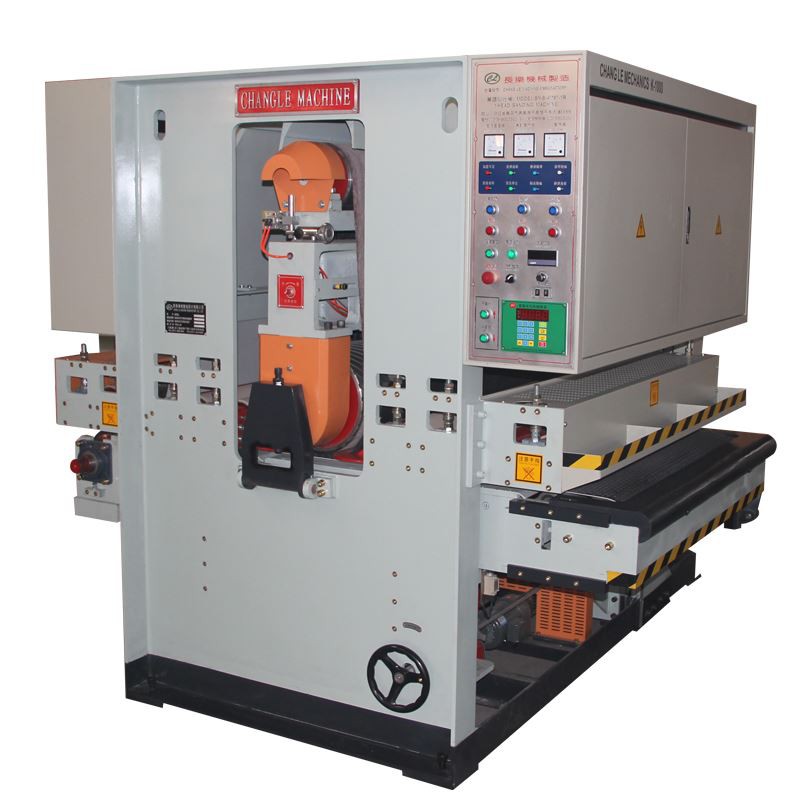
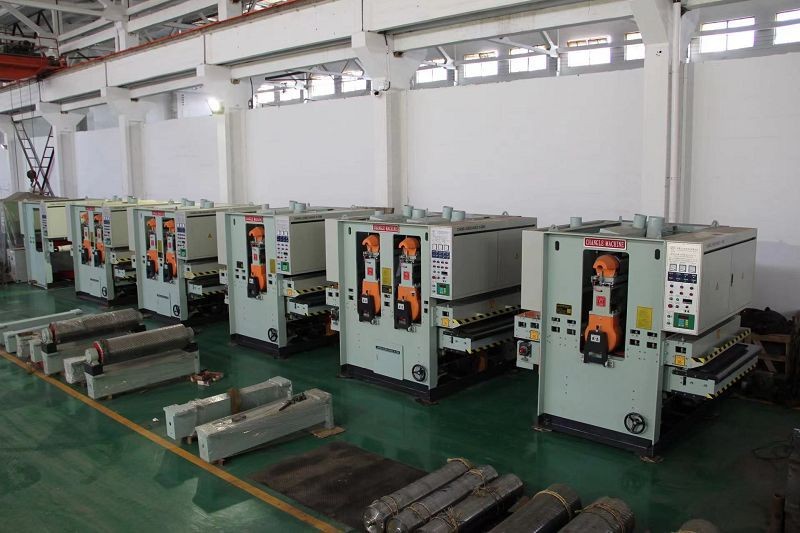
If you are interested in different types of sanding machines, we offer a Large Sanding Machine for heavy - duty sanding tasks, a Three Head Sander which provides efficient and precise sanding, and a Professional Sanding Machine suitable for various professional applications.
Practical Guidelines for Applying Pressure
Start with Light Pressure
When you first start sanding, it's always a good idea to start with light pressure. This allows you to get a feel for the sanding machine and the material you are working with. You can gradually increase the pressure as needed, depending on the results you are achieving. Starting with light pressure also helps to prevent over - sanding and damaging the surface.
Let the Machine Do the Work
One of the most important things to remember when using a sanding machine is to let the machine do the work. Applying too much pressure can cause the sandpaper to wear out quickly, overheat the machine, and leave uneven sanding marks on the surface. Instead, allow the weight and power of the sanding machine to do the majority of the work. You should only apply enough pressure to keep the sanding pad in contact with the surface.
Monitor the Sanding Progress
As you sand, it's important to monitor the progress of the sanding. Check the surface regularly to see if you are achieving the desired results. If the surface is not smooth enough, you can increase the pressure slightly. If you notice that the sandpaper is clogging or leaving scratches, reduce the pressure.
Use a Consistent Pressure
To achieve a uniform finish, it's important to use a consistent pressure throughout the sanding process. Avoid applying too much pressure in one area and too little in another. This can result in an uneven surface and require additional sanding to correct.
Common Mistakes to Avoid
Applying Too Much Pressure
Applying too much pressure is one of the most common mistakes that users make when using a sanding machine. This can cause the sandpaper to wear out quickly, overheat the machine, and leave deep scratches on the surface. It can also lead to over - sanding, which can damage the material and make it difficult to achieve a smooth finish.
Not Changing the Sandpaper
Another common mistake is not changing the sandpaper when it becomes worn or clogged. Worn or clogged sandpaper is less effective at sanding and can leave scratches on the surface. It's important to change the sandpaper regularly to ensure that you are getting the best results.
Sanding in the Wrong Direction
Sanding in the wrong direction can also cause problems. When sanding wood, it's important to sand in the direction of the grain. Sanding against the grain can leave scratches on the surface and make the wood look rough.
Conclusion
In conclusion, the amount of pressure you should apply when using a sanding machine depends on several factors, including the grit of the sandpaper, the type of material being sanded, and the type of sanding machine. By understanding these factors and following the practical guidelines outlined in this blog post, you can achieve the best results when sanding.
If you are in the market for a high - quality sanding machine or have any questions about sanding, we are here to help. Our team of experts can provide you with the information and support you need to make the right choice. Contact us to start a procurement discussion and find the perfect sanding machine for your needs.
References
- Woodworking Magazine: "Sanding Basics"
- Machinery's Handbook: "Sanding Processes"
- Manufacturer's Manuals for Sanding Machines


