

As a supplier of Lifting-type Glue Spreaders, I often encounter inquiries from customers about the suitability of our equipment for applying glue on thick materials. This is a crucial question that can significantly impact the efficiency and quality of various industrial processes. In this blog post, I will delve into the technical aspects, advantages, and limitations of using a Lifting-type Glue Spreader for thick materials, providing you with a comprehensive understanding to make an informed decision.
Technical Features of Lifting-type Glue Spreaders
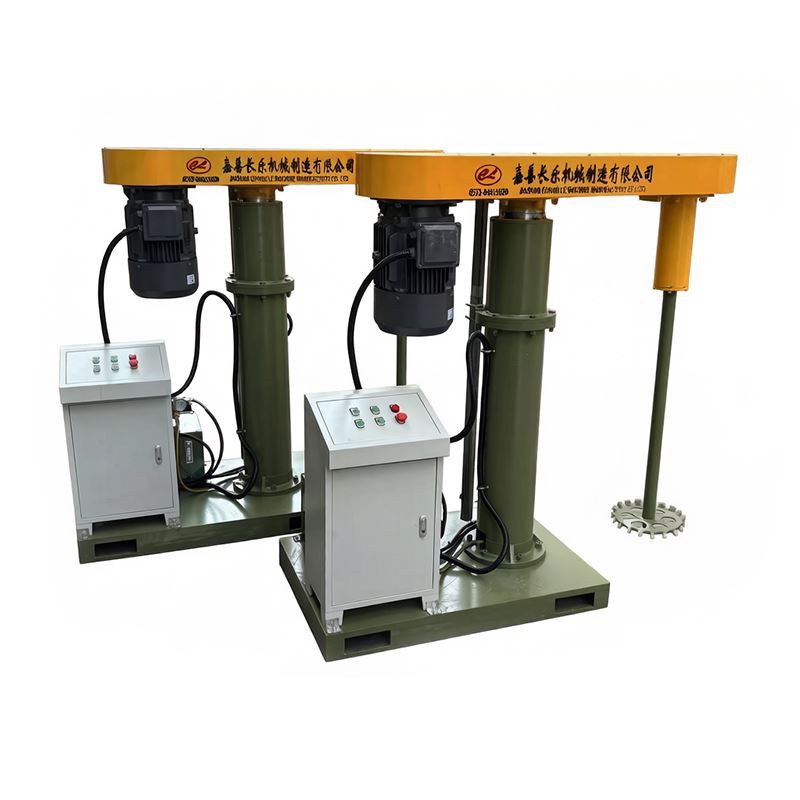
A Lifting-type Glue Spreader is a specialized piece of equipment designed to apply glue evenly on the surface of materials. It typically consists of a lifting mechanism, a glue spreading unit, and a control system. The lifting mechanism allows the spreader to adjust the height according to the thickness of the material, ensuring precise glue application. The glue spreading unit can be equipped with different types of rollers or nozzles, depending on the specific requirements of the application.
The control system plays a vital role in the operation of the Lifting-type Glue Spreader. It enables the user to set the speed, pressure, and amount of glue to be applied, ensuring consistent and accurate results. Some advanced models also come with features such as automatic glue feeding and cleaning, which further enhance the efficiency and convenience of the equipment.
Advantages of Using a Lifting-type Glue Spreader for Thick Materials
1. Precise Glue Application
One of the main advantages of using a Lifting-type Glue Spreader for thick materials is the ability to achieve precise glue application. The lifting mechanism allows the spreader to adjust the height to match the thickness of the material, ensuring that the glue is applied evenly across the entire surface. This is particularly important for thick materials, as uneven glue application can lead to poor adhesion and product quality.
2. High Efficiency
Lifting-type Glue Spreaders are designed to be highly efficient, capable of applying glue at a high speed. This is especially beneficial when working with thick materials, as it can significantly reduce the production time. The automatic glue feeding and cleaning features also contribute to the overall efficiency of the equipment, allowing for continuous operation without frequent interruptions.
3. Versatility
Lifting-type Glue Spreaders are highly versatile and can be used with a wide range of materials, including thick materials. They can be adjusted to apply different types of glue, such as water-based, solvent-based, and hot melt glue, making them suitable for various applications. This versatility makes the Lifting-type Glue Spreader a valuable investment for businesses that deal with different types of materials and glue.
4. Reduced Waste
By applying glue precisely and evenly, Lifting-type Glue Spreaders can significantly reduce waste. This is especially important when working with expensive glue or thick materials, as it can help to lower the production cost. The ability to control the amount of glue applied also ensures that the right amount of glue is used, further reducing waste.
Limitations of Using a Lifting-type Glue Spreader for Thick Materials
1. Limited Glue Penetration
One of the limitations of using a Lifting-type Glue Spreader for thick materials is the limited glue penetration. Thick materials often have a dense structure, which can make it difficult for the glue to penetrate deeply. This can result in poor adhesion and product quality. To overcome this limitation, it may be necessary to use a different type of glue or to pre-treat the material to improve its porosity.
2. Higher Equipment Cost
Lifting-type Glue Spreaders are generally more expensive than traditional glue spreaders. This is due to the additional features and components required to ensure precise glue application on thick materials. However, the higher cost can be offset by the increased efficiency and quality of the glue application, resulting in long-term cost savings.
3. Maintenance Requirements
Lifting-type Glue Spreaders require regular maintenance to ensure optimal performance. This includes cleaning the glue spreading unit, checking the lifting mechanism, and replacing worn parts. Failure to perform regular maintenance can lead to equipment breakdowns and reduced efficiency.
Factors to Consider When Using a Lifting-type Glue Spreader for Thick Materials
1. Material Properties
The properties of the thick material, such as its density, porosity, and surface texture, can significantly affect the performance of the Lifting-type Glue Spreader. It is important to consider these properties when selecting the appropriate glue and adjusting the settings of the spreader.
2. Glue Type
The type of glue used is also an important factor to consider. Different types of glue have different properties, such as viscosity, drying time, and adhesion strength. It is important to select the appropriate glue for the specific application and material.
3. Spreader Settings
The settings of the Lifting-type Glue Spreader, such as the speed, pressure, and amount of glue applied, can also affect the performance of the equipment. It is important to adjust these settings according to the material properties and glue type to ensure optimal results.
Complementary Equipment for Working with Thick Materials
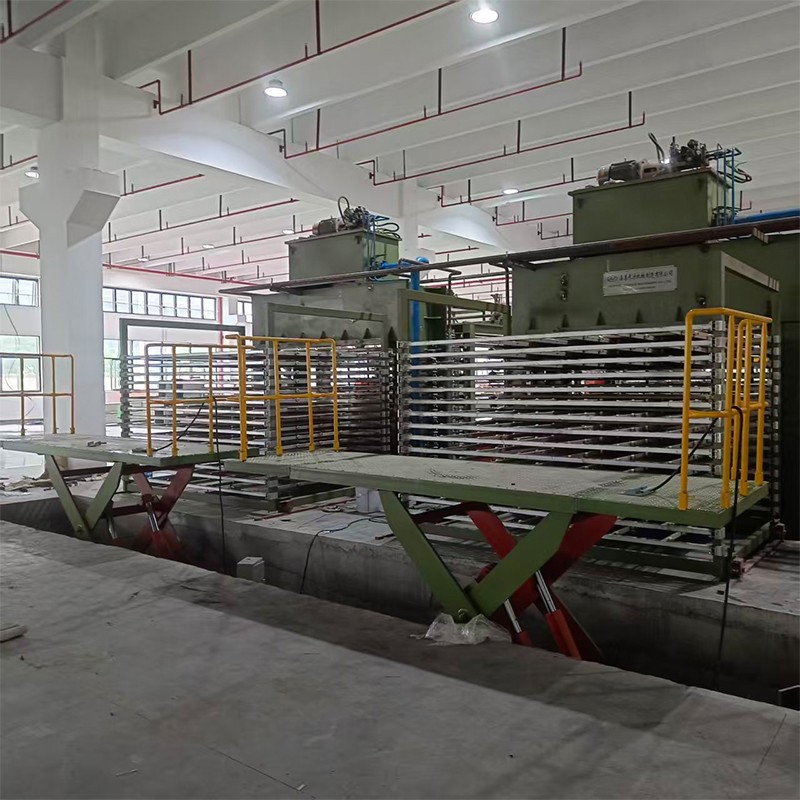
In addition to the Lifting-type Glue Spreader, there are other pieces of equipment that can be used in conjunction with it to improve the efficiency and quality of the glue application process. For example, a Workshop Lift Table can be used to support the thick material during the glue application process, making it easier to handle and ensuring a more stable work surface. A Longitudinal Board Feeding Suction Frame can also be used to feed the thick material into the Lifting-type Glue Spreader, further enhancing the efficiency of the process.
Conclusion
In conclusion, a Lifting-type Glue Spreader can be a suitable option for applying glue on thick materials, offering precise glue application, high efficiency, versatility, and reduced waste. However, it is important to consider the limitations and factors discussed in this blog post to ensure optimal performance. By selecting the appropriate glue, adjusting the spreader settings, and using complementary equipment, you can achieve excellent results when working with thick materials.
If you are interested in learning more about our Lifting-type Glue Spreader or have any questions about its suitability for your specific application, please do not hesitate to contact us. We are always happy to provide you with more information and support to help you make the right decision.
References
- Smith, J. (2020). Industrial Glue Application Techniques. New York: Industrial Press.
- Johnson, A. (2019). Advances in Glue Spreader Technology. Journal of Manufacturing Technology, 35(2), 123-135.


