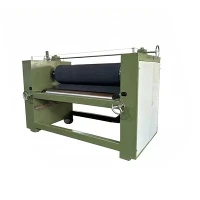

In the realm of wood processing, the board edger machine plays a pivotal role in shaping raw lumber into market - ready products. As a supplier of Board Edger Machine, I often encounter inquiries about the differences between single - pass and multi - pass board edger machines. Understanding these differences is crucial for sawmill operators and woodworking businesses to make informed decisions about which machine best suits their needs.
Single - Pass Board Edger Machine
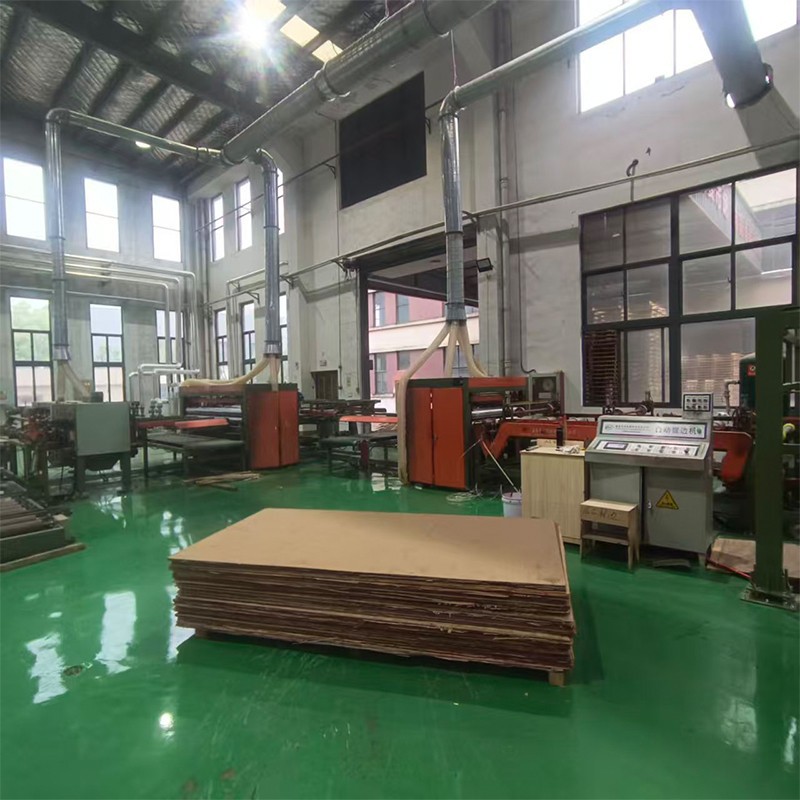
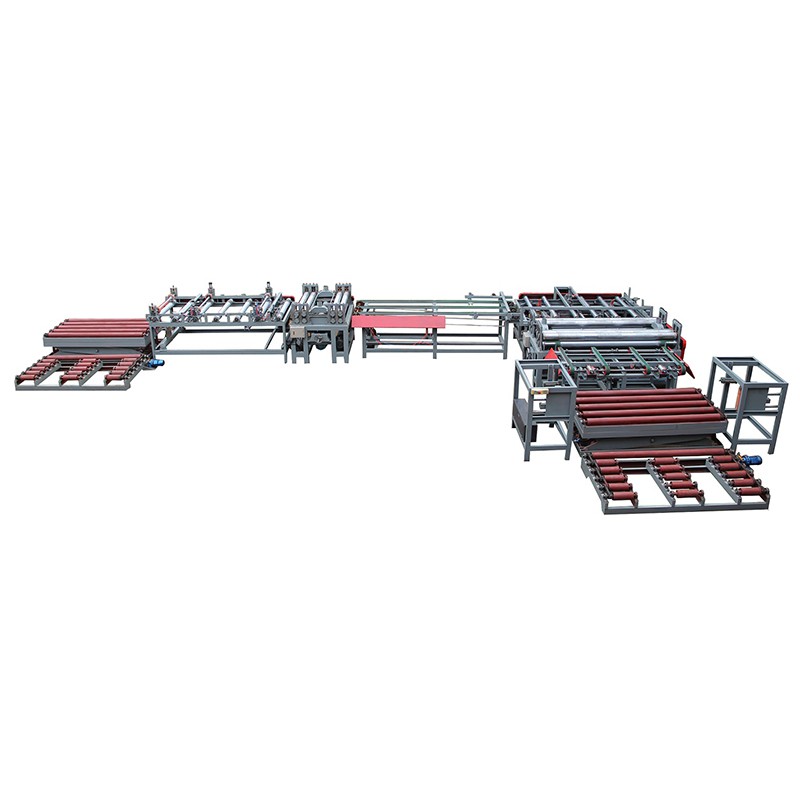
A single - pass board edger machine is designed to perform all the necessary cutting operations in one pass. This means that as the board moves through the machine, it is trimmed and edged to the desired width and length in a single continuous operation.
Advantages
- High Efficiency: One of the most significant advantages of a single - pass board edger is its speed. Since the entire edging process is completed in one go, it can handle a large volume of boards in a relatively short period. This is particularly beneficial for large - scale sawmills that need to process a high volume of lumber quickly. For example, in a busy sawmill environment, a single - pass edger can process hundreds of boards per hour, increasing overall productivity.
- Simplicity: Single - pass machines are generally simpler in design compared to multi - pass machines. They have fewer moving parts and a more straightforward operation, which means less maintenance and a lower risk of mechanical failures. This simplicity also makes them easier to operate, reducing the need for highly skilled operators.
- Space - Saving: These machines typically require less floor space in the sawmill. Since they complete the edging process in one pass, there is no need for additional space for multiple passes or intermediate handling. This can be a significant advantage for sawmills with limited space.
Disadvantages
- Limited Flexibility: Single - pass machines are less flexible when it comes to handling boards of different sizes and shapes. They are designed to perform a specific set of cutting operations, and it can be challenging to adjust the machine for different board dimensions. For instance, if a sawmill needs to process boards with varying widths and thicknesses, a single - pass edger may not be the best option.
- Higher Initial Cost: The initial investment for a single - pass board edger machine is often higher than that of a multi - pass machine. This is because the technology and engineering required to perform all the cutting operations in one pass are more complex, which drives up the cost of the machine.
Multi - Pass Board Edger Machine
A multi - pass board edger machine, as the name suggests, performs the edging process in multiple passes. The board is fed through the machine several times, with each pass performing a specific cutting operation.
Advantages
- Greater Flexibility: Multi - pass machines offer more flexibility in terms of handling different board sizes and shapes. They can be easily adjusted between passes to accommodate boards of various widths, thicknesses, and lengths. This makes them ideal for sawmills that process a wide range of lumber products. For example, a sawmill that produces custom - sized boards can use a multi - pass edger to achieve precise cuts for each order.
- Lower Initial Cost: The initial cost of a multi - pass board edger is generally lower than that of a single - pass machine. Since the cutting operations are spread out over multiple passes, the machine does not require the same level of complex technology and engineering, resulting in a more affordable price.
- Precision Cutting: By performing the cutting operations in multiple passes, multi - pass machines can achieve a higher level of precision. Each pass can be fine - tuned to remove a specific amount of material, resulting in a more accurate and smooth edge. This is particularly important for high - quality wood products where precision is crucial.
Disadvantages
- Lower Efficiency: Multi - pass machines are generally slower than single - pass machines. Since the board needs to be fed through the machine multiple times, the overall processing time is longer. This can be a drawback for sawmills that need to process a large volume of lumber quickly.
- Higher Maintenance Requirements: With more moving parts and multiple cutting operations, multi - pass machines require more maintenance compared to single - pass machines. Regular maintenance is necessary to ensure the machine operates smoothly and accurately, which can increase the overall cost of ownership.
Applications
The choice between a single - pass and multi - pass board edger machine depends on the specific needs of the sawmill or woodworking business.
Single - Pass Applications
- High - Volume Production: Single - pass machines are well - suited for large - scale sawmills that produce a high volume of standard - sized boards. For example, a sawmill that supplies lumber to construction companies can use a single - pass edger to quickly process large quantities of boards for building projects.
- Simple Cutting Requirements: When the cutting requirements are relatively simple and the boards have consistent dimensions, a single - pass edger is a good choice. This is often the case in mass - production environments where the same type of board is processed repeatedly.
Multi - Pass Applications
- Custom - Made Products: Multi - pass machines are ideal for sawmills that produce custom - sized boards or high - quality wood products. For example, a furniture manufacturer that requires precise cuts for different parts of a piece of furniture can use a multi - pass edger to achieve the desired dimensions.
- Processing Irregular - Shaped Boards: When dealing with boards that have irregular shapes or sizes, a multi - pass edger can provide the flexibility needed to handle these challenges. This is common in specialty woodworking shops that work with unique pieces of lumber.
Conclusion
In conclusion, both single - pass and multi - pass board edger machines have their own advantages and disadvantages. The choice between the two depends on factors such as production volume, board size and shape, precision requirements, and budget. As a supplier of Sawmill Board Edger, I understand the importance of helping our customers make the right decision. We offer a range of board edger machines to meet different needs, and our team of experts is always available to provide guidance and support.
If you are in the market for a board edger machine, whether it's a single - pass or multi - pass model, we invite you to contact us for a detailed discussion. We can help you evaluate your specific requirements and recommend the most suitable machine for your business. Our goal is to provide you with a high - quality board edger machine that meets your production needs and helps you achieve your business goals.
References
- Wood Processing Technology Handbook
- Sawmill Operations and Management Guide