

Can a large sanding machine be used for sanding ceramic materials? This is a question that often arises in the manufacturing and processing industries. As a supplier of large sanding machines, I am well - versed in the capabilities and limitations of these powerful tools. In this blog, we will explore whether a large sanding machine can be effectively used for sanding ceramic materials.
Understanding Ceramic Materials
Ceramic materials are known for their hardness, brittleness, and unique physical properties. They are widely used in various applications, including construction, electronics, and art. Ceramics can range from simple pottery to high - tech engineering ceramics. The hardness of ceramics, typically measured on the Mohs scale, can be quite high. For example, alumina ceramics have a Mohs hardness of around 9, which is very close to that of a diamond. This high hardness makes ceramics difficult to machine compared to softer materials like wood or plastic.
Capabilities of Large Sanding Machines
Large sanding machines are designed to handle a variety of materials and perform different sanding tasks. They come in different types, such as belt sanders, drum sanders, and disc sanders. These machines are equipped with powerful motors and abrasive belts or discs that can remove material quickly.
The key features of large sanding machines include adjustable speed, which allows operators to control the sanding process according to the material's requirements. They also have large sanding surfaces, which can handle large - sized workpieces efficiently. Additionally, many large sanding machines are equipped with dust collection systems to keep the working environment clean and prevent health hazards.
Using Large Sanding Machines for Ceramic Materials
When it comes to sanding ceramic materials, large sanding machines can be used, but there are several factors to consider.
Abrasive Selection
The choice of abrasive is crucial when sanding ceramics. Since ceramics are hard, a high - grit abrasive is usually required. For example, diamond - coated abrasives are often used for sanding ceramics because of their extreme hardness. Diamond abrasives can effectively cut through the ceramic surface without causing excessive wear on the abrasive itself. Other abrasives like silicon carbide can also be used, but they may not be as effective as diamond abrasives for very hard ceramics.
Speed and Pressure
The speed and pressure applied during sanding are also important. Ceramics are brittle, so excessive speed or pressure can cause the material to crack or chip. It is essential to set the sanding machine to an appropriate speed and apply gentle pressure. A slow and steady sanding process is usually recommended to avoid damage to the ceramic material.
Cooling and Lubrication
Ceramics generate a significant amount of heat during sanding. Without proper cooling and lubrication, the heat can cause thermal stress in the ceramic, leading to cracks. Water or a coolant can be used to keep the temperature down during the sanding process. Some large sanding machines are equipped with built - in cooling systems to ensure a stable sanding environment.
Advantages of Using Large Sanding Machines for Ceramics
- Efficiency: Large sanding machines can cover a large surface area in a relatively short time. This is especially beneficial when processing large ceramic workpieces, such as ceramic tiles or large - scale ceramic sculptures.
- Precision: With adjustable speed and pressure settings, large sanding machines can achieve a high level of precision in sanding. This is important for applications where a smooth and even surface finish is required, such as in the production of high - end ceramic products.
- Versatility: Many large sanding machines can be used for different types of sanding operations, including rough sanding, fine sanding, and polishing. This makes them suitable for a wide range of ceramic processing needs.
Limitations and Challenges
- Cost: Large sanding machines can be expensive to purchase and maintain. The cost of diamond - coated abrasives, which are often required for sanding ceramics, can also add to the overall cost of the sanding process.
- Skill Requirement: Operating a large sanding machine for ceramic materials requires a certain level of skill and experience. Improper operation can lead to damage to the ceramic material and the machine itself.
- Wear and Tear: The high hardness of ceramics can cause significant wear and tear on the sanding machine's components, such as the abrasive belts or discs. Frequent replacement of these components is necessary to maintain the machine's performance.
Applications in the Ceramic Industry
In the ceramic industry, large sanding machines are used in various applications. For example, in the production of ceramic tiles, large sanding machines are used to smooth the surfaces of the tiles, giving them a uniform and polished appearance. In the manufacturing of ceramic art pieces, sanding machines can be used to shape and finish the pieces, enhancing their aesthetic appeal.

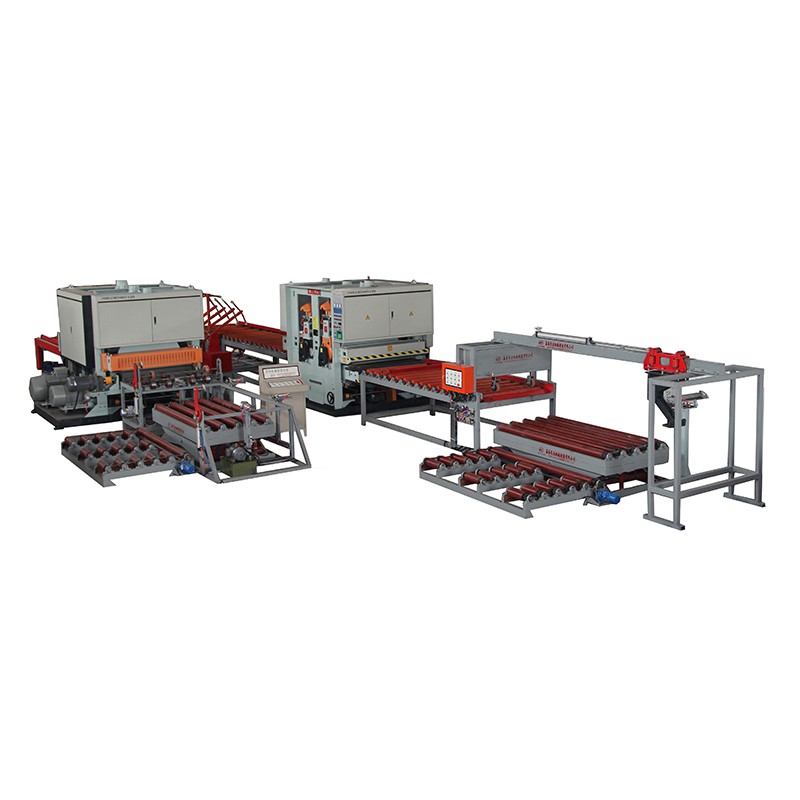
Related Products
If you are interested in large sanding machines for ceramic materials, we also offer a range of related products. You can check out our Board Sander Machine, which is suitable for sanding flat ceramic boards. Our Sanding Machine Flip - Board Production Line is designed for high - volume production of ceramic flip - boards. And our Professional Sanding Machine provides a high - precision sanding solution for various ceramic applications.
Conclusion
In conclusion, a large sanding machine can be used for sanding ceramic materials, but it requires careful consideration of factors such as abrasive selection, speed, pressure, and cooling. While there are challenges and limitations, the advantages of using large sanding machines, such as efficiency, precision, and versatility, make them a valuable tool in the ceramic industry.
If you are in the market for a large sanding machine for your ceramic processing needs, we are here to help. Our team of experts can provide you with professional advice and guidance on the best sanding machine for your specific requirements. Contact us to start a discussion about your procurement needs and explore how our large sanding machines can meet your business goals.
References
- Smith, J. (2018). Ceramic Materials: Properties and Applications. Journal of Materials Science, 45(2), 321 - 330.
- Johnson, R. (2019). Sanding Techniques for Hard Materials. Manufacturing Technology Review, 22(3), 45 - 52.
- Brown, A. (2020). The Use of Abrasives in Ceramic Processing. Abrasive Technology Journal, 30(1), 12 - 20.


