

Hey there! As a sanding machine supplier, I often get asked about the difference between a sanding machine and a polisher. It's a great question, and I'm here to break it down for you in plain English.
Let's start with the basics. A sanding machine is designed to remove material from a surface. It uses abrasive materials, like sandpaper or sanding belts, to smooth out rough surfaces, remove old paint or finish, and prepare a surface for painting or staining. Sanding machines come in all shapes and sizes, from small handheld models to large industrial ones. They're used in a variety of industries, including woodworking, metalworking, and automotive.
On the other hand, a polisher is used to create a smooth, shiny finish on a surface. It uses a polishing pad or wheel and a polishing compound to buff the surface and remove any scratches or imperfections. Polishers are often used on cars, boats, and other vehicles to give them a showroom shine. They can also be used on furniture, countertops, and other surfaces to enhance their appearance.
Now, let's take a closer look at the differences between the two.
Function
The main difference between a sanding machine and a polisher is their function. A sanding machine is used to remove material, while a polisher is used to enhance the surface finish. When you use a sanding machine, you're essentially cutting away the top layer of the material to smooth it out. This can be a rough process, and it can leave the surface looking dull and uneven. A polisher, on the other hand, is used to buff the surface and create a smooth, shiny finish. It doesn't remove any material, but it does improve the appearance of the surface.
Abrasive Materials
Another difference between the two is the type of abrasive materials they use. Sanding machines use abrasive materials like sandpaper, sanding belts, and sanding discs. These materials are designed to be rough and aggressive, and they're used to remove material quickly. Polishers, on the other hand, use polishing pads and wheels that are made of softer materials, like foam or wool. These materials are designed to be gentle on the surface and to create a smooth, shiny finish.
Speed
Sanding machines typically operate at a higher speed than polishers. This is because they need to remove material quickly, and a higher speed helps to do this. Polishers, on the other hand, operate at a lower speed to avoid damaging the surface. A lower speed also allows the polishing compound to work more effectively, creating a smoother, shinier finish.
Applications
Sanding machines are used in a variety of applications, including woodworking, metalworking, and automotive. They're used to sand wood, metal, and other materials to prepare them for painting or staining. They can also be used to remove old paint or finish from a surface. Polishers, on the other hand, are used primarily in the automotive and marine industries to give cars, boats, and other vehicles a showroom shine. They can also be used on furniture, countertops, and other surfaces to enhance their appearance.
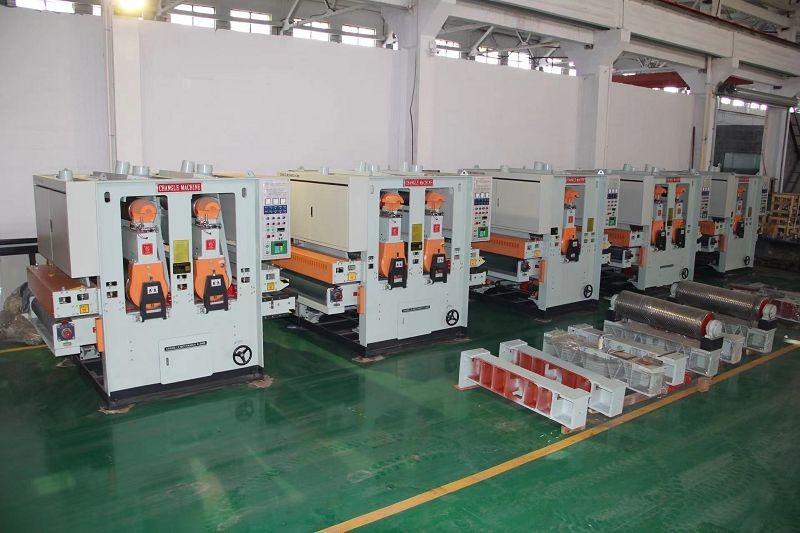
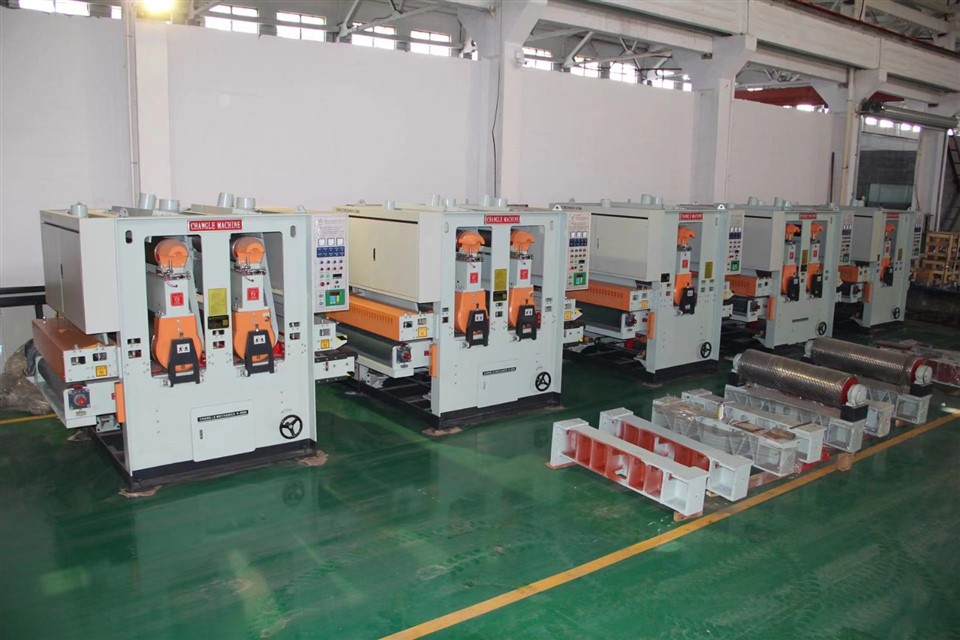
Types of Sanding Machines
There are several types of sanding machines available, each with its own unique features and applications. Some of the most common types of sanding machines include:
- Belt Sanders: Belt sanders are one of the most popular types of sanding machines. They use a continuous belt of sandpaper to sand the surface. Belt sanders are great for sanding large surfaces quickly and efficiently.
- Orbital Sanders: Orbital sanders use a circular sanding pad that moves in an orbital motion. They're great for sanding small to medium-sized surfaces and for getting into tight spaces.
- Random Orbital Sanders: Random orbital sanders are similar to orbital sanders, but they use a random orbital motion to sand the surface. This helps to prevent swirl marks and creates a smoother finish.
- Drum Sanders: Drum sanders use a rotating drum to sand the surface. They're great for sanding large, flat surfaces and for removing a lot of material quickly.
Types of Polishers
There are also several types of polishers available, each with its own unique features and applications. Some of the most common types of polishers include:
- Rotary Polishers: Rotary polishers use a rotating pad to buff the surface. They're great for removing scratches and swirl marks and for creating a high-gloss finish.
- Dual Action Polishers: Dual action polishers use a combination of a rotating and oscillating motion to buff the surface. They're great for beginners and for people who want to avoid damaging the surface.
- Forced Rotation Polishers: Forced rotation polishers use a rotating pad that is driven by a motor. They're great for professional detailers and for people who need to remove a lot of scratches and swirl marks quickly.
Our Sanding Machines
As a sanding machine supplier, we offer a wide range of sanding machines to meet the needs of our customers. Our sanding machines are designed to be durable, efficient, and easy to use. We offer a variety of models, including belt sanders, orbital sanders, random orbital sanders, and drum sanders.
One of our most popular products is the Sanding Machine Flip-Board Production Line. This machine is designed to sand flip boards quickly and efficiently. It uses a continuous belt of sandpaper to sand the surface, and it can be adjusted to sand different thicknesses of boards.
Another popular product is our Professional Sanding Machine. This machine is designed for professional woodworkers and metalworkers. It uses a high-speed motor and a variety of sanding belts to sand the surface quickly and efficiently.
We also offer a Board Sander Machine that is designed to sand boards of all sizes. This machine uses a rotating drum to sand the surface, and it can be adjusted to sand different thicknesses of boards.
Conclusion
In conclusion, the main difference between a sanding machine and a polisher is their function. A sanding machine is used to remove material, while a polisher is used to enhance the surface finish. Sanding machines use abrasive materials to remove material quickly, while polishers use softer materials to create a smooth, shiny finish.
If you're in the market for a sanding machine or a polisher, we'd love to help you find the right one for your needs. We offer a wide range of sanding machines and polishers, and our team of experts is always available to answer your questions and provide you with advice.
So, if you're interested in learning more about our products or if you have any questions, please don't hesitate to contact us. We'd be happy to help you find the right sanding machine or polisher for your needs.
References
- Woodworking Magazine
- Metalworking Journal
- Automotive Detailing Guide


