
As a supplier of Three Head Sanders, I often get asked whether this type of machine can be used for sanding particleboard. In this blog post, I'll explore this question in detail, looking at the characteristics of particleboard, the features of a Three Head Sander, and the compatibility between the two.
Understanding Particleboard
Particleboard is a widely used engineered wood product. It is made by compressing wood particles, chips, and sawdust together with a resin binder under high pressure and heat. This manufacturing process results in a board that is relatively inexpensive, uniform in structure, and has good dimensional stability.
One of the key characteristics of particleboard is its porous surface. The wood particles are not as tightly packed as in solid wood, which means the surface can be rough and uneven. Additionally, the resin used in the binding process can create a hard, sometimes sticky layer on the surface. These factors present unique challenges when it comes to sanding.
Features of a Three Head Sander
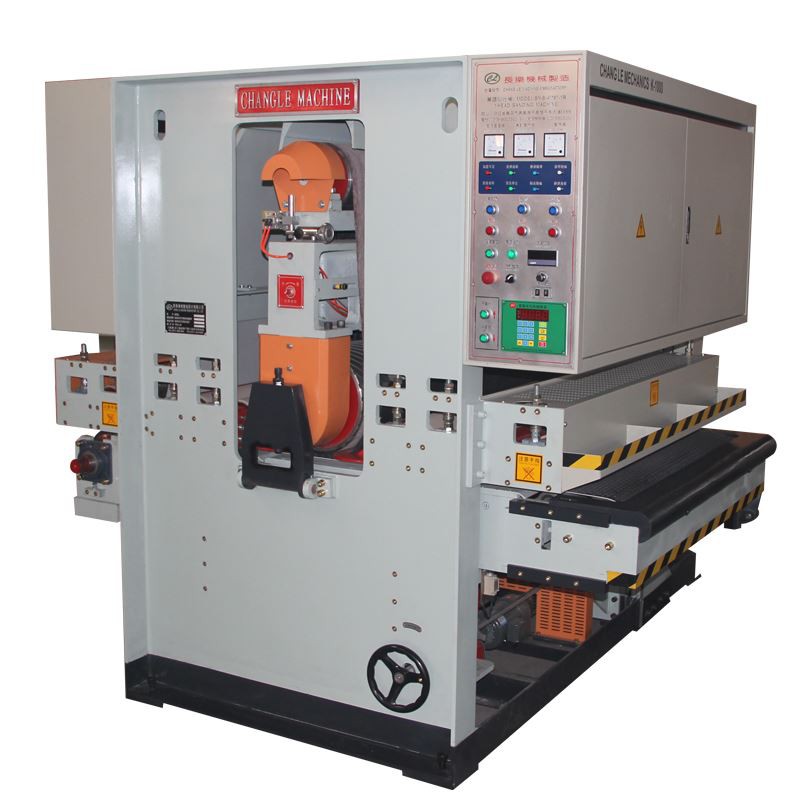
A Three Head Sander is a type of Professional Sanding Machine that is designed to provide a high - quality sanding finish. It typically consists of three sanding heads, each with a different grit of sandpaper. This allows for a multi - stage sanding process, starting with a coarse grit to remove large amounts of material and then progressing to finer grits for a smooth finish.
The three heads can be adjusted independently, which gives operators a high degree of control over the sanding process. This is especially useful when dealing with different types of materials or when a specific finish is required. The machine also often comes with a dust collection system, which helps to keep the work area clean and reduces the risk of inhalation of wood dust.
Can a Three Head Sander be Used for Sanding Particleboard?
The answer is yes, a Three Head Sander can be effectively used for sanding particleboard. Here are some reasons why:
1. Multi - stage Sanding
The three - head design of the sander allows for a comprehensive sanding process. The first head, with a coarse grit sandpaper, can quickly remove any rough spots, unevenness, or excess resin on the particleboard surface. This initial sanding helps to level the surface and prepare it for the finer sanding stages.
The second head, with a medium - grit sandpaper, further refines the surface, reducing the scratches left by the coarse sandpaper and creating a smoother texture. Finally, the third head, with a fine - grit sandpaper, gives the particleboard a polished and professional finish.
2. Adjustability
The ability to adjust each sanding head independently is crucial when sanding particleboard. Since particleboard can vary in density and surface characteristics, operators can adjust the pressure, speed, and sandpaper grit of each head to suit the specific requirements of the board. For example, if the particleboard has a particularly hard resin layer, the operator can increase the pressure on the first head to ensure effective removal.
3. Dust Collection
Particleboard produces a significant amount of dust during the sanding process. The dust collection system in a Three Head Sander helps to keep the work environment clean and safe. This is not only important for the health of the operators but also for the quality of the sanding. Excessive dust can clog the sandpaper, reducing its effectiveness and causing uneven sanding.
Considerations When Using a Three Head Sander for Particleboard
While a Three Head Sander is suitable for sanding particleboard, there are some considerations to keep in mind:
1. Sandpaper Selection
Choosing the right sandpaper grit is essential. For particleboard, a coarse grit (such as 60 - 80 grit) is recommended for the first head to remove the rough surface. A medium grit (100 - 120 grit) can be used for the second head, and a fine grit (150 - 220 grit) for the final head. Using the wrong grit can result in an uneven finish or damage to the particleboard.

2. Feed Speed
The feed speed of the particleboard through the sander also needs to be carefully adjusted. If the feed speed is too fast, the sander may not be able to effectively sand the surface, resulting in a rough finish. On the other hand, if the feed speed is too slow, it can cause over - sanding and damage to the board.
3. Maintenance
Regular maintenance of the Three Head Sander is necessary to ensure optimal performance when sanding particleboard. This includes cleaning the dust collection system, checking and replacing the sandpaper when it becomes worn, and lubricating the moving parts.
Advantages of Using a Three Head Sander for Particleboard
Using a Three Head Sander for sanding particleboard offers several advantages:
1. Efficiency
The multi - stage sanding process of a Three Head Sander allows for a faster and more efficient sanding operation compared to single - head sanders. It can complete the sanding process in one pass, reducing the overall time and labor required.
2. Quality
The ability to use different grits of sandpaper and adjust each head independently results in a high - quality finish. The particleboard surface becomes smooth, even, and ready for further processing, such as painting or laminating.
3. Versatility
A Three Head Sander can be used for sanding other types of wood and wood - based materials in addition to particleboard. This makes it a valuable investment for woodworking shops that work with a variety of materials.
Conclusion
In conclusion, a Three Head Sander is a suitable and effective tool for sanding particleboard. Its multi - stage sanding process, adjustability, and dust collection capabilities make it well - equipped to handle the unique challenges presented by particleboard. However, proper sandpaper selection, feed speed adjustment, and regular maintenance are essential to achieve the best results.
If you are in the market for a Large Sanding Machine or a Three Head Sander for your woodworking business, we are here to help. Our team of experts can provide you with detailed information about our products and assist you in choosing the right machine for your specific needs. Contact us to start a procurement discussion and take your woodworking operations to the next level.
References
- Wood Handbook: Wood as an Engineering Material. Forest Products Laboratory.
- Particleboard Manufacturing and Technology. Various industry publications.