

Hey there! As a supplier of Lumber Edgers, I've seen firsthand how crucial it is to get the conveyor speed just right. Whether you're a small sawmill or a large-scale operation, adjusting the conveyor speed of your Lumber Edger can significantly impact your productivity and the quality of your lumber. In this blog, I'll share some tips on how to adjust the speed of a Lumber Edger's conveyor.
Why Adjusting Conveyor Speed Matters
Before we dive into the how-to, let's talk about why adjusting the conveyor speed is so important. The conveyor speed of a Lumber Edger affects several aspects of the lumber processing:
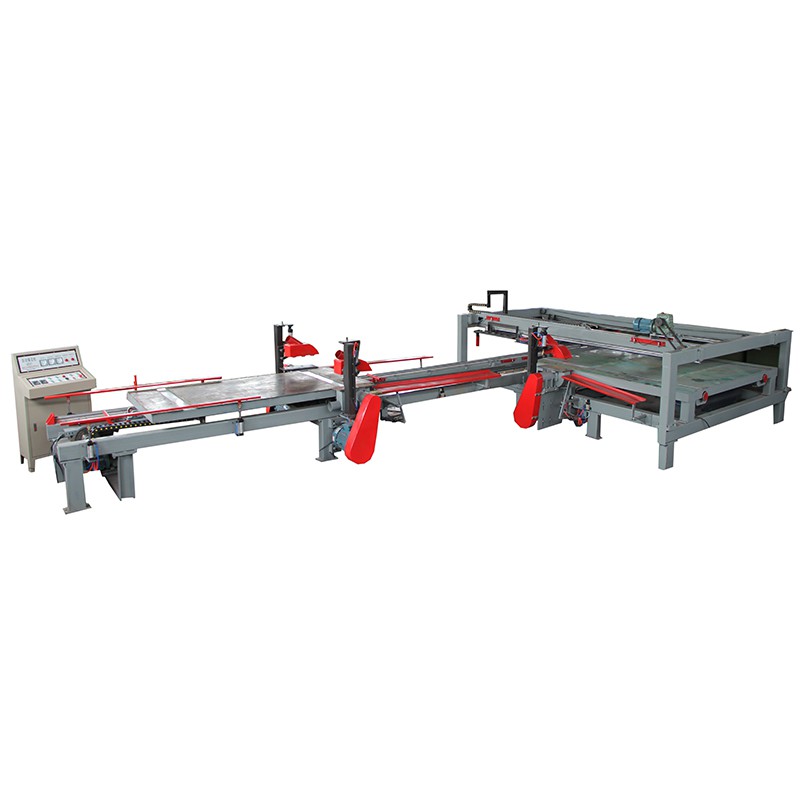
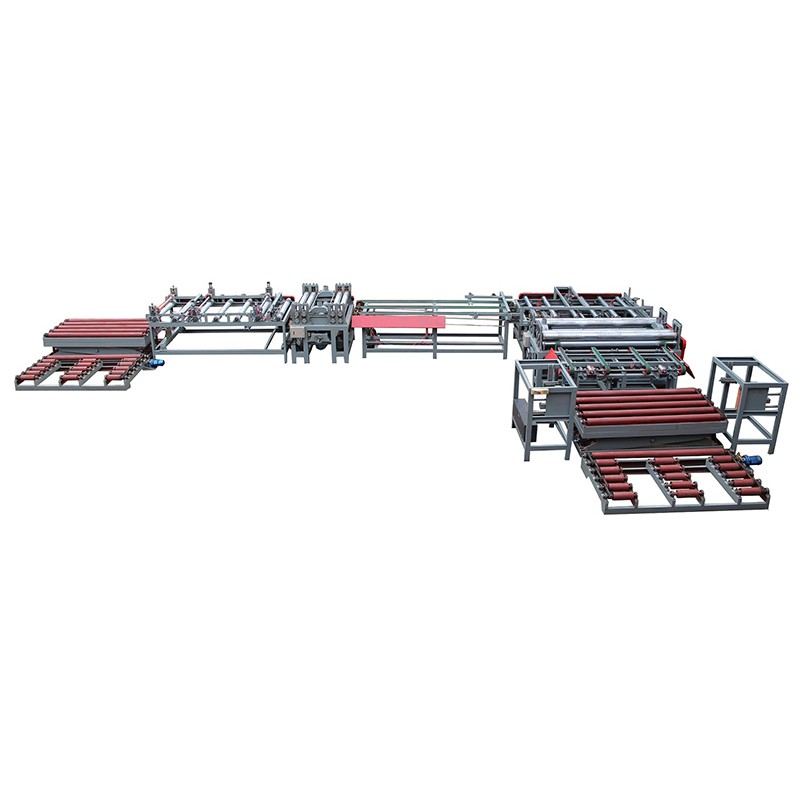
- Productivity: A faster conveyor speed can increase the number of boards processed per hour, boosting your overall production. However, if the speed is too high, it can lead to quality issues.
- Quality: The right conveyor speed ensures that the saw blades make clean cuts, reducing the risk of rough edges or uneven cuts. This results in higher-quality lumber that commands a better price in the market.
- Safety: An appropriate conveyor speed helps maintain a safe working environment. If the speed is too fast, it can be difficult for operators to handle the lumber, increasing the risk of accidents.
Factors Affecting Conveyor Speed
Several factors can influence the ideal conveyor speed for your Lumber Edger. Here are some of the key ones:
- Lumber Type and Size: Different types of lumber have different densities and hardness, which can affect how quickly they can be processed. For example, hardwoods may require a slower conveyor speed than softwoods. The size of the lumber also matters; larger boards may need a slower speed to ensure accurate cutting.
- Saw Blade Characteristics: The type, size, and sharpness of the saw blades used in the Lumber Edger play a role in determining the conveyor speed. A dull blade may require a slower speed to make clean cuts, while a sharp blade can handle a faster speed.
- Operator Skill and Experience: The skill level of the operator can also impact the conveyor speed. An experienced operator may be able to handle a faster speed, while a novice operator may need to start at a slower pace.
How to Adjust the Conveyor Speed
Now that we understand the importance of conveyor speed and the factors that affect it, let's look at how to adjust the speed of a Lumber Edger's conveyor.
Step 1: Consult the Manufacturer's Manual
The first step is to consult the manufacturer's manual for your Lumber Edger. The manual will provide specific instructions on how to adjust the conveyor speed, including any safety precautions you need to take. It may also include recommended speed settings based on the type of lumber and saw blades you're using.
Step 2: Determine the Ideal Speed
Based on the factors mentioned above, determine the ideal conveyor speed for your specific application. You may need to do some trial and error to find the perfect speed. Start with a slow speed and gradually increase it while monitoring the quality of the cuts and the overall performance of the Lumber Edger.
Step 3: Locate the Speed Control
Most Lumber Edgers have a speed control mechanism that allows you to adjust the conveyor speed. This can be a dial, a switch, or a digital control panel. Locate the speed control and familiarize yourself with how it works.
Step 4: Make the Adjustment
Once you've determined the ideal speed and located the speed control, make the necessary adjustment. If you're using a dial or switch, turn it to the desired speed setting. If you're using a digital control panel, enter the desired speed value.
Step 5: Test the Speed
After making the adjustment, test the conveyor speed by running a few boards through the Lumber Edger. Check the quality of the cuts and make sure the lumber is being processed smoothly. If necessary, make further adjustments to the speed until you achieve the desired results.
Tips for Adjusting Conveyor Speed
Here are some additional tips to help you adjust the conveyor speed of your Lumber Edger effectively:
- Keep an Eye on the Saw Blades: Regularly check the saw blades for wear and tear. Dull blades can cause the conveyor speed to slow down or result in poor-quality cuts. Replace the blades as needed to maintain optimal performance.
- Monitor the Lumber Feed: Make sure the lumber is being fed into the Lumber Edger evenly and at a consistent rate. Uneven feeding can cause the conveyor speed to fluctuate and affect the quality of the cuts.
- Train Your Operators: Provide proper training to your operators on how to adjust the conveyor speed and operate the Lumber Edger safely. This will help ensure that the equipment is used correctly and that the conveyor speed is adjusted to the optimal level.
Conclusion
Adjusting the speed of a Lumber Edger's conveyor is an important part of optimizing your lumber processing operations. By understanding the factors that affect conveyor speed and following the steps outlined in this blog, you can ensure that your Lumber Edger is operating at its best.
If you're in the market for a Lumber Edger or a Sawmill Board Edger, we're here to help. Our high-quality Lumber Edgers are designed to provide efficient and accurate lumber processing. Contact us today for more information and to discuss your specific needs. We look forward to working with you!
References
- Manufacturer's manuals for Lumber Edgers
- Industry best practices for lumber processing


