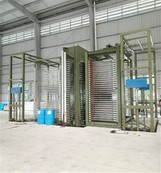

The glue temperature plays a crucial role in the operation of a lifting - type glue spreader. As a supplier of lifting - type glue spreaders, I have witnessed firsthand how the temperature of the glue can significantly impact the performance and quality of the spreading process. In this blog, I will delve into the various influences of glue temperature on the operation of a lifting - type glue spreader.
1. Viscosity and Flowability
One of the most direct effects of glue temperature is on its viscosity. Glue is a non - Newtonian fluid, and its viscosity is highly dependent on temperature. When the glue temperature is low, the molecules in the glue move more slowly, resulting in a higher viscosity. A high - viscosity glue is thick and less likely to flow freely. This can cause problems in the glue spreading process.
For a lifting - type glue spreader, the glue needs to be evenly distributed on the surface of the material. If the glue is too viscous, it may not spread smoothly across the material. It could lead to uneven glue application, with some areas having too much glue and others having too little. This unevenness can affect the bonding strength of the materials being glued together.
On the other hand, when the glue temperature is high, the viscosity decreases. The glue becomes more fluid and can flow more easily. This allows for a more even spread of the glue on the material surface. However, if the temperature is too high, the glue may become too thin, and it could drip or run off the material, causing waste and potentially making a mess of the working environment.
2. Bonding Strength
The temperature of the glue also has a significant impact on the bonding strength between materials. When the glue is at an appropriate temperature, it can form a strong bond with the materials. A well - spread glue layer at the right temperature ensures that the glue can penetrate the pores of the materials, creating a mechanical interlock.
If the glue temperature is too low, the glue may not fully cure or bond properly. The low - temperature glue may not have enough energy to react with the materials, resulting in a weak bond. This can lead to the separation of the glued materials under stress, reducing the overall quality and durability of the product.
Conversely, if the glue temperature is too high, the glue may cure too quickly. This can prevent the glue from fully spreading and bonding with the materials. The rapid curing can also cause the glue to become brittle, reducing its ability to withstand stress and leading to a weaker bond.
3. Machine Performance
The glue temperature can also affect the performance of the lifting - type glue spreader itself. When the glue is too viscous due to low temperature, it can put extra stress on the spreading mechanism of the machine. The pump that is used to transfer the glue may have to work harder to push the thick glue through the system. This can lead to increased wear and tear on the machine components, reducing the lifespan of the equipment.
In addition, the high - viscosity glue may clog the nozzles or tubes of the glue spreader. This can disrupt the normal operation of the machine and require frequent cleaning and maintenance. On the other hand, if the glue is too thin due to high temperature, it may cause leakage in the machine, which can also affect its performance and reliability.
4. Production Efficiency
Temperature also has an impact on production efficiency. When the glue temperature is not optimal, the spreading process may need to be repeated to ensure an even spread. This can increase the production time and reduce the overall efficiency. For example, if the glue is too thick and does not spread evenly on the first try, the operator may have to go over the area again, which takes extra time.
Moreover, if the glue temperature is too high or too low, it may affect the curing time of the glue. A longer curing time means that the materials cannot be further processed or assembled immediately, which slows down the production line. By maintaining the optimal glue temperature, we can ensure a smooth and efficient spreading process, reducing production time and increasing output.
5. Product Quality
The influence of glue temperature on product quality cannot be overstated. As mentioned earlier, uneven glue application and weak bonding due to improper glue temperature can lead to a lower - quality product. In industries where the bonding strength is critical, such as furniture manufacturing or automotive production, a poor - quality bond can result in product failures and recalls.
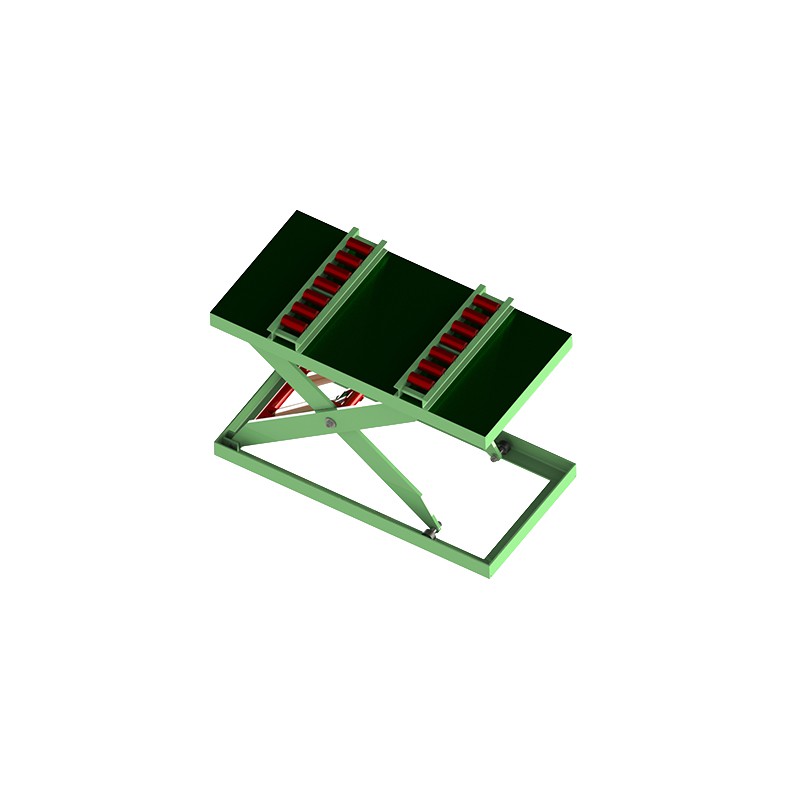
A lifting - type glue spreader is often used in the production of various products, such as Longitudinal Board Feeding Suction Frame. The quality of the glue application directly affects the structural integrity of these products. For example, in the case of a Roller Conveyor Lift Table, a strong and even glue bond is necessary to ensure its stability and durability.
6. Controlling Glue Temperature
To ensure the optimal operation of a lifting - type glue spreader, it is essential to control the glue temperature. This can be achieved through various methods. One common approach is to use a heating system. The heating system can be installed in the glue storage tank or the glue delivery system to maintain the glue at a constant temperature.
Another method is to monitor the temperature in real - time. Temperature sensors can be installed in the glue system to measure the temperature continuously. Based on the measured temperature, the heating or cooling system can be adjusted automatically to keep the glue at the desired temperature.
7. Case Studies
In our experience as a lifting - type glue spreader supplier, we have encountered many cases where glue temperature has affected the operation. For example, a customer was using our glue spreader to bond wooden boards. They initially set the glue temperature too low, resulting in uneven glue application and weak bonding. After adjusting the temperature to the optimal range, the quality of the glued boards improved significantly, and the production efficiency also increased.
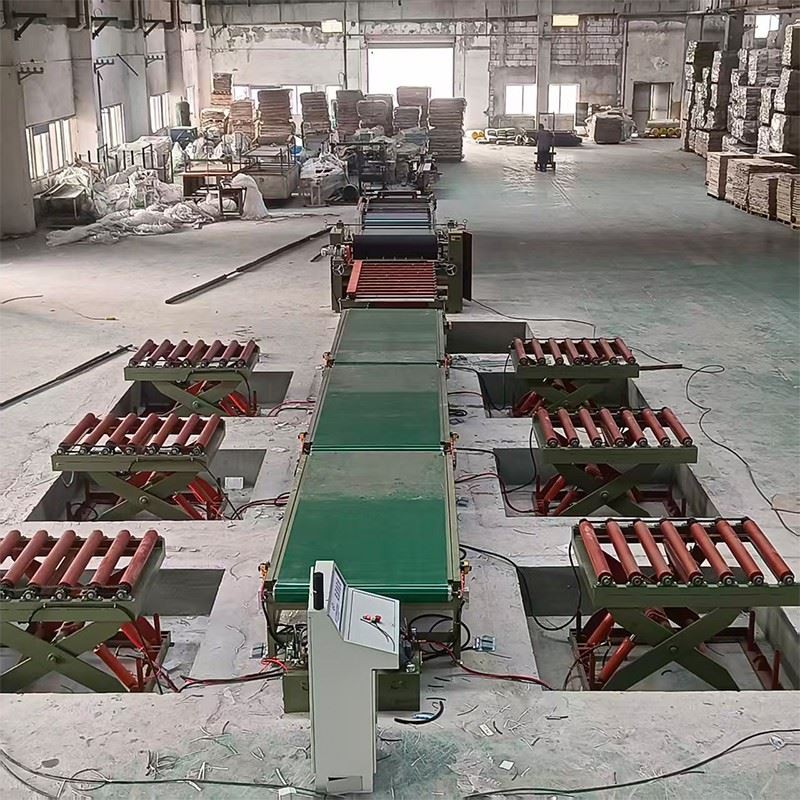
In another case, a customer was using a Scissor Lift Roller Conveyor with our glue spreader. The glue temperature was too high, causing the glue to drip and make a mess. After lowering the temperature, the spreading process became more stable, and the product quality was enhanced.
8. Conclusion and Call to Action
In conclusion, the glue temperature has a profound influence on the operation of a lifting - type glue spreader. It affects the viscosity, bonding strength, machine performance, production efficiency, and product quality. By understanding the relationship between glue temperature and the operation of the glue spreader, we can optimize the spreading process and achieve better results.
If you are interested in our lifting - type glue spreaders or have any questions about glue spreading technology, please feel free to contact us for a detailed discussion. We are committed to providing high - quality equipment and professional solutions to meet your needs.
References
- "Principles of Adhesive Bonding" by Alan V. Pocius
- "Industrial Gluing and Bonding" by J. H. P. Utley