

Hey there! As a supplier of Sawmill Board Edgers, I've got a lot to share about the energy consumption characteristics of these machines. Let's dive right in.
First off, understanding the energy consumption of a Sawmill Board Edger is crucial for both sawmill owners and operators. It not only affects the operational costs but also has an impact on the overall efficiency and sustainability of the sawmill.
Power Source and Basics
Most Sawmill Board Edgers are powered by electricity. The power requirements can vary depending on the size and capacity of the machine. Smaller edgers might run on single - phase power, while larger, industrial - grade ones typically require three - phase power. This is because larger edgers need more power to handle the heavy - duty cutting and processing of lumber.
The energy consumption is mainly driven by the motor that powers the saw blades. The motor has to provide enough torque to cut through the wood efficiently. A more powerful motor generally means higher energy consumption, but it also allows for faster and more precise cutting.
Cutting Process and Energy Use
When it comes to the cutting process, the energy consumption is closely related to the type of wood being cut. Hardwoods, like oak or maple, are denser and more difficult to cut compared to softwoods such as pine. Cutting through hardwoods requires more power from the motor, which in turn leads to higher energy consumption.
The speed at which the edger operates also plays a significant role. A higher cutting speed means the motor has to work harder to maintain that speed, resulting in increased energy use. However, running the edger at a higher speed can also increase productivity, so it's a balance that sawmill operators need to strike.
Standby and Idle Energy
It's not just the cutting process that consumes energy. Even when the Sawmill Board Edger is in standby or idle mode, it still uses a certain amount of energy. This is because some components, like the control systems and sensors, need to be powered on to be ready for operation. While the energy consumption in standby mode is relatively low compared to when the edger is actively cutting, over time, it can add up.
Energy - Saving Features
Many modern Sawmill Board Edgers come with energy - saving features. For example, some edgers have automatic shut - off mechanisms that turn off the machine when it's not in use for a certain period. This helps to reduce standby energy consumption.
Variable frequency drives (VFDs) are another energy - saving feature. VFDs allow the motor to adjust its speed according to the load. When the edger is cutting through a lighter piece of wood, the motor can run at a lower speed, consuming less energy. And when it encounters a denser piece of wood, the motor can increase its speed to handle the load.
Comparison with Other Equipment
Compared to other equipment in a sawmill, the Sawmill Board Edger is often one of the major energy consumers. However, its importance in the lumber processing chain cannot be overstated. It helps to trim the boards to the correct width and remove any defects, which is essential for producing high - quality lumber.
When looking at the overall energy consumption of a sawmill, it's important to consider the efficiency of the edger in relation to the entire production process. A well - maintained and energy - efficient edger can contribute to a more cost - effective and sustainable sawmill operation.
Real - World Examples
Let me share a real - world example. I had a customer who was running an old - fashioned Sawmill Board Edger. It was consuming a significant amount of energy, and the operational costs were sky - high. After upgrading to a new edger with energy - saving features, they noticed a substantial reduction in their energy bills. The new edger was able to cut through the lumber just as efficiently, but with much less energy consumption.
The Impact of Maintenance on Energy Consumption
Regular maintenance of the Sawmill Board Edger is also crucial for controlling energy consumption. A well - maintained edger will have sharp saw blades, properly lubricated components, and a well - calibrated motor. Dull saw blades, for example, require more power to cut through the wood, leading to increased energy consumption.
If the bearings are not properly lubricated, the motor has to work harder to overcome the friction, which also results in higher energy use. So, investing in regular maintenance can not only extend the lifespan of the edger but also save on energy costs.
Future Trends in Energy Consumption
As technology continues to advance, we can expect to see even more energy - efficient Sawmill Board Edgers in the future. New materials for saw blades and more advanced motor designs will likely lead to reduced energy consumption without sacrificing performance.
There is also a growing trend towards using renewable energy sources in sawmills. Some sawmills are already starting to use solar panels or biomass energy to power their equipment, including the edgers. This not only reduces the environmental impact but also helps to lower energy costs in the long run.
Conclusion
In conclusion, the energy consumption characteristics of a Sawmill Board Edger are influenced by various factors such as the power source, the type of wood being cut, the cutting speed, and the presence of energy - saving features. By understanding these characteristics, sawmill owners and operators can make informed decisions to optimize energy use and reduce operational costs.
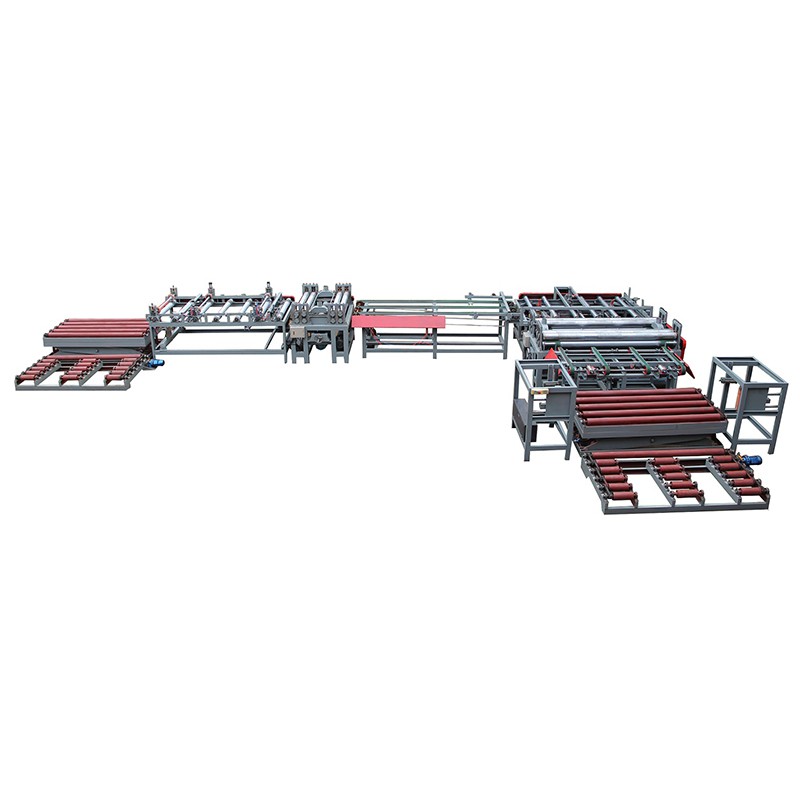
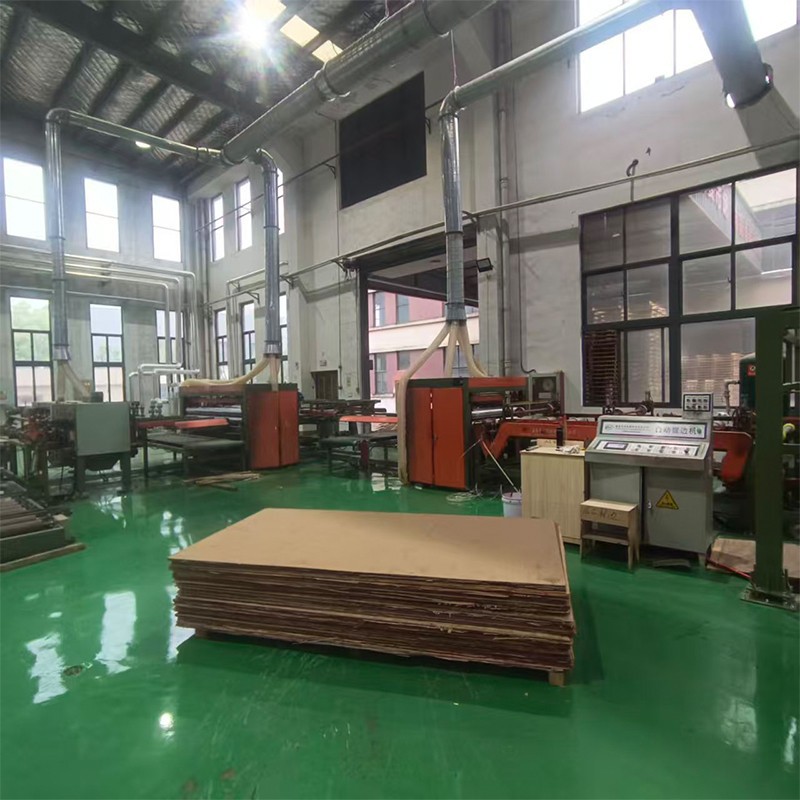
If you're in the market for a Board Edger Machine, Lumber Edger, or Sawmill Edger, we've got you covered. Our edgers are designed with energy efficiency in mind, ensuring that you get the best performance while keeping your energy costs down. If you're interested in learning more or discussing a potential purchase, feel free to reach out and start a conversation. We're here to help you make the right choice for your sawmill.
References
- Wood Processing Industry Handbook
- Energy Efficiency in Industrial Equipment Research Papers


