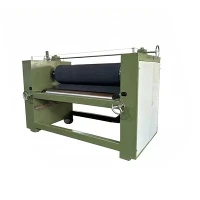

As a supplier of gluing machines, I've witnessed firsthand the widespread use of these devices across various industries, from woodworking to packaging. While gluing machines offer numerous benefits in terms of efficiency and precision, it's crucial to understand their environmental impacts. In this blog, I'll explore the environmental implications of using a gluing machine and discuss ways to mitigate these effects.
Air Pollution
One of the most significant environmental impacts of using a gluing machine is air pollution. Gluing machines often use adhesives that contain volatile organic compounds (VOCs). When these adhesives are heated or applied, VOCs are released into the air. VOCs can react with other pollutants in the atmosphere to form ground - level ozone, a major component of smog. Exposure to high levels of ozone can cause respiratory problems, such as coughing, wheezing, and shortness of breath, and can also damage lung tissue over time.
In addition to ozone formation, VOCs can also contribute to the formation of particulate matter. Particulate matter consists of tiny particles that can be inhaled deep into the lungs, causing a variety of health problems, including heart and lung diseases.
To reduce the air pollution associated with gluing machines, it's important to choose adhesives with low VOC content. Many manufacturers now offer low - VOC or VOC - free adhesives that can significantly reduce the amount of harmful emissions. Additionally, proper ventilation systems should be installed in the workspace to ensure that any VOCs released are quickly removed from the air.
Waste Generation
Another environmental concern related to gluing machines is waste generation. Adhesive containers, excess glue, and used parts of the gluing machine all contribute to waste. Disposing of these materials can be challenging, especially if they contain hazardous substances.
For example, some adhesives may contain heavy metals or other toxic chemicals. If these materials are not disposed of properly, they can contaminate soil and water sources. To minimize waste generation, it's important to use adhesives in the right quantity. Over - application of glue not only wastes the product but also increases the amount of waste.
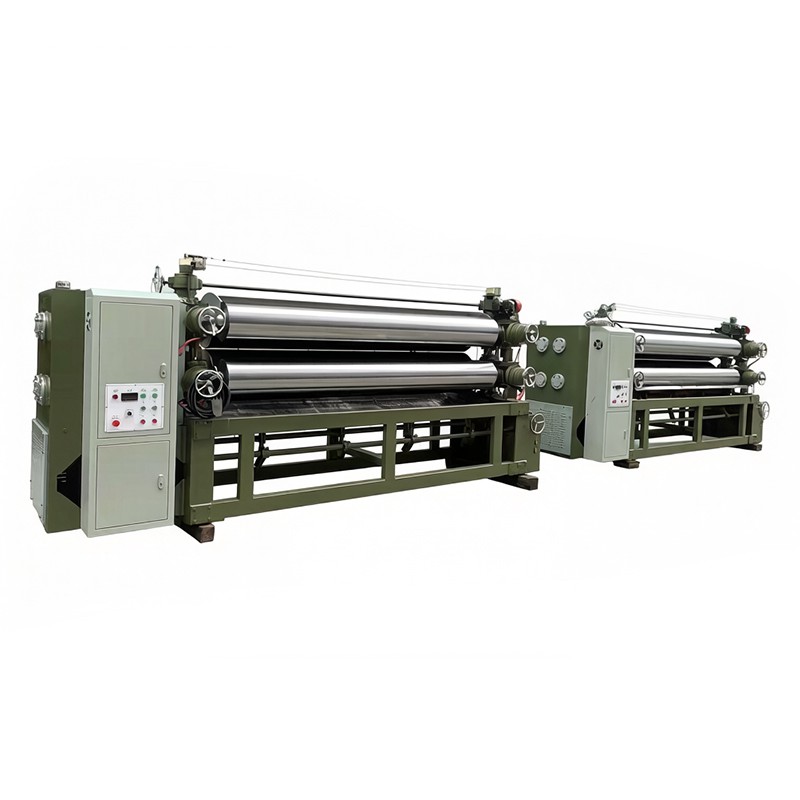
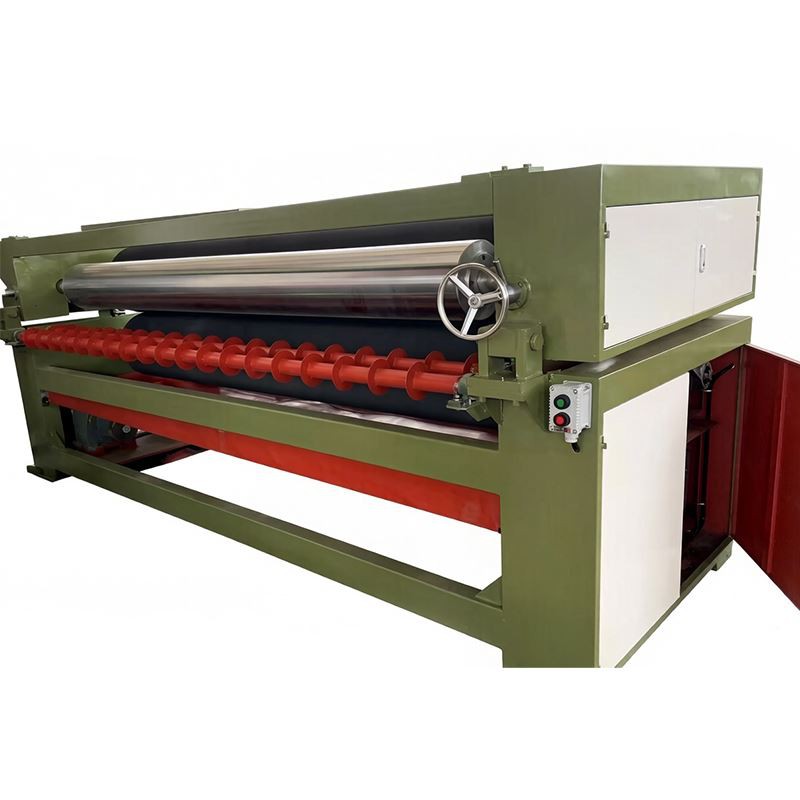
Recycling is also an effective way to reduce waste. Some adhesive containers can be recycled, and in some cases, excess glue can be reused. Additionally, manufacturers can design gluing machines with parts that are easy to disassemble and recycle at the end of their life cycle.
Energy Consumption
Gluing machines typically require a significant amount of energy to operate. The heating elements used to melt adhesives, the motors that drive the machine, and the control systems all consume electricity. High energy consumption not only increases the operating cost but also has a negative impact on the environment.
The production of electricity often involves the burning of fossil fuels, such as coal, oil, and natural gas. These fossil - fuel - based power generation methods release large amounts of greenhouse gases, such as carbon dioxide, into the atmosphere. Greenhouse gases trap heat in the Earth's atmosphere, leading to global warming and climate change.
To reduce energy consumption, manufacturers can design more energy - efficient gluing machines. For example, using advanced insulation materials can reduce the heat loss from the heating elements, and energy - efficient motors can reduce the power consumption of the machine. Additionally, operators can optimize the operation of the gluing machine to minimize energy waste, such as turning off the machine when it's not in use.
Water Pollution
Although not as commonly discussed as air pollution and waste generation, water pollution can also be an issue associated with gluing machines. During the cleaning process of the gluing machine, water is often used to remove excess glue and contaminants. If the wastewater is not treated properly, it can contain adhesive residues, solvents, and other pollutants that can contaminate water sources.
To prevent water pollution, it's important to implement proper wastewater treatment systems. These systems can remove pollutants from the wastewater before it is discharged into the environment. Additionally, using water - based adhesives instead of solvent - based adhesives can reduce the amount of pollutants in the wastewater.
Our Solutions
As a gluing machine supplier, we are committed to providing environmentally friendly solutions. We offer a range of gluing machines that are designed with energy - efficient features. For example, our Glue Spreader for Woodworking uses advanced heating technology to reduce energy consumption while maintaining high performance.
Our Board Gluing Machine is designed to use adhesives efficiently, minimizing waste generation. We also provide support to our customers in choosing low - VOC adhesives and implementing proper ventilation and wastewater treatment systems.
In addition, our Pneumatic Double Side Gluing Machine is engineered with a focus on reducing air pollution. It has a well - designed ventilation system that effectively removes any VOCs released during the gluing process.
Conclusion
While gluing machines play an important role in many industries, it's essential to be aware of their environmental impacts. By understanding the issues related to air pollution, waste generation, energy consumption, and water pollution, we can take steps to minimize these impacts.
As a supplier, we are dedicated to helping our customers make environmentally responsible choices. If you are interested in learning more about our gluing machines or have any questions regarding their environmental impact, please feel free to contact us. We are more than happy to have in - depth discussions with you and assist you in finding the most suitable gluing machine for your needs.
References
- "Environmental Impact of Industrial Adhesives." Journal of Environmental Science and Technology.
- "Energy - Efficient Design of Industrial Machines." International Journal of Energy Research.
- "Waste Management in the Manufacturing Industry." Waste Management Review.