

Load distribution on non-powered conveyor rollers is a critical aspect in the design and operation of conveyor systems. As a supplier of Non-powered Conveyor Rollers, I have witnessed firsthand the importance of understanding how loads are distributed across these rollers. In this blog, I will delve into the concept of load distribution on non-powered conveyor rollers, exploring the factors that influence it and its implications for conveyor performance.
Understanding Load Distribution
Load distribution refers to how the weight of the conveyed items is spread across the conveyor rollers. In an ideal scenario, the load would be evenly distributed among all the rollers, ensuring smooth and efficient operation. However, in real-world applications, load distribution can be affected by various factors, leading to uneven loading on the rollers.
One of the primary factors influencing load distribution is the type and shape of the conveyed items. Irregularly shaped or heavy items can cause uneven loading, as they may not rest evenly on the rollers. For example, a long and narrow item may place more weight on the rollers at the ends, while a large and bulky item may concentrate the load in the center.
The spacing between the rollers also plays a crucial role in load distribution. If the rollers are too far apart, the conveyed items may sag between the rollers, resulting in uneven loading. On the other hand, if the rollers are too close together, the load may be distributed more evenly, but it may also increase the friction between the items and the rollers, leading to higher energy consumption.
The surface condition of the rollers can also affect load distribution. Rough or uneven roller surfaces can cause the conveyed items to bounce or slide, leading to uneven loading. Additionally, dirty or contaminated roller surfaces can increase friction, which can also affect load distribution.
Implications of Uneven Load Distribution
Uneven load distribution can have several negative implications for conveyor performance. Firstly, it can lead to premature wear and tear of the rollers. When a roller is subjected to a higher load than the others, it will experience more stress and friction, which can cause it to wear out faster. This can result in frequent roller replacements, increasing maintenance costs and downtime.
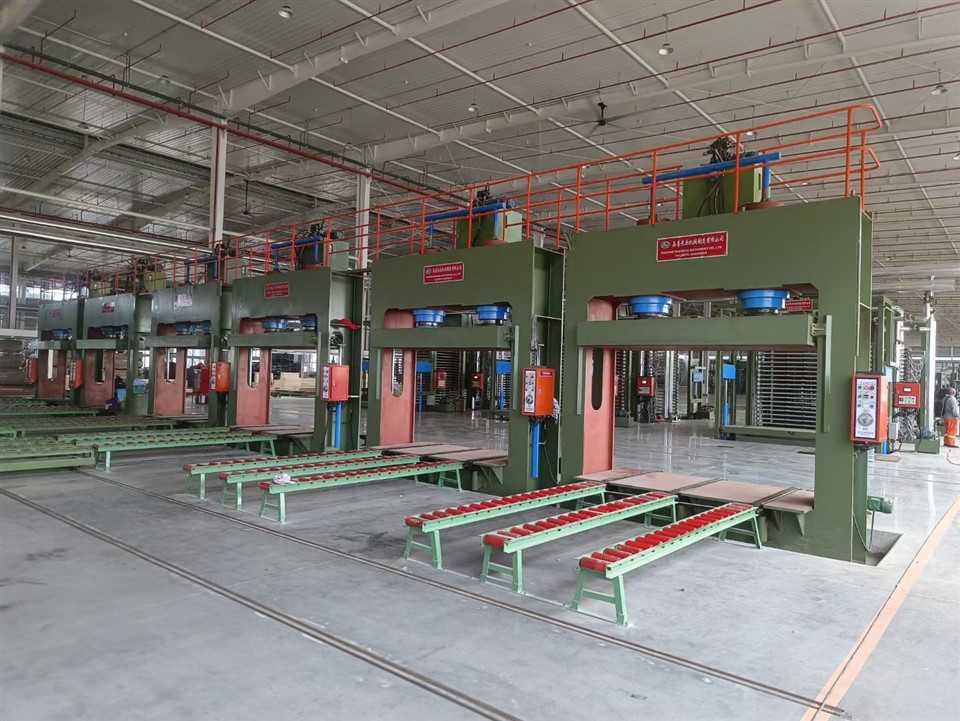
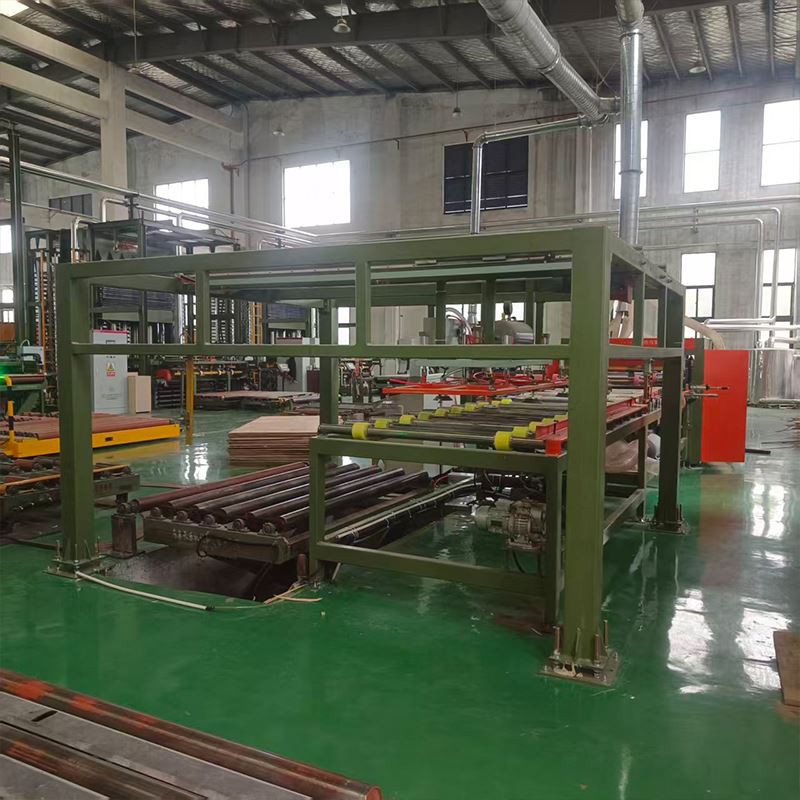
Secondly, uneven load distribution can affect the stability of the conveyor system. If the load is concentrated on one side of the conveyor, it can cause the conveyor to tilt or sway, leading to potential safety hazards. Additionally, uneven loading can cause the conveyed items to shift or fall off the conveyor, resulting in product damage and loss.
Finally, uneven load distribution can also affect the efficiency of the conveyor system. When the load is not evenly distributed, the conveyor may require more energy to operate, as the rollers need to work harder to move the items. This can result in higher energy costs and reduced productivity.
Strategies for Optimizing Load Distribution
To ensure optimal load distribution on non-powered conveyor rollers, several strategies can be implemented. Firstly, it is important to select the appropriate roller spacing based on the type and size of the conveyed items. This can help to ensure that the load is evenly distributed across the rollers.
Secondly, the surface condition of the rollers should be regularly maintained to ensure smooth operation. This can include cleaning the rollers to remove dirt and debris, as well as lubricating the rollers to reduce friction.
Thirdly, the conveyed items should be properly positioned on the conveyor to ensure even loading. This can include using guides or stops to prevent the items from shifting or falling off the conveyor.
Finally, it is important to regularly monitor the load distribution on the conveyor rollers to identify any potential issues. This can include using load sensors or monitoring the performance of the conveyor system to detect any signs of uneven loading.
Applications of Non-powered Conveyor Rollers
Non-powered conveyor rollers are widely used in various industries, including manufacturing, warehousing, and logistics. They are commonly used for transporting items such as boxes, pallets, and containers.
In the manufacturing industry, non-powered conveyor rollers are used to transport raw materials and finished products between different stages of the production process. They are also used for assembly lines, where the rollers help to move the products along the line for further processing.
In the warehousing and logistics industry, non-powered conveyor rollers are used for sorting, stacking, and transporting goods. They are commonly used in distribution centers, where the rollers help to move the goods from the receiving area to the storage area and then to the shipping area.
Non-powered conveyor rollers are also used in the food and beverage industry, where they are used for transporting food products and packaging materials. They are designed to meet the strict hygiene and safety standards of the industry, ensuring that the products are transported safely and efficiently.
Related Products
In addition to Non-powered Conveyor Rollers, we also offer other products that can enhance the performance of conveyor systems. One of these products is the Transverse Board Feeding Suction Frame, which is used for feeding boards onto the conveyor. This product helps to ensure that the boards are fed onto the conveyor in a consistent and efficient manner, improving the overall productivity of the conveyor system.
Another related product is the Rgv Intelligent Transport Vehicle, which is used for transporting goods within a warehouse or manufacturing facility. This product is equipped with intelligent control systems, allowing it to navigate through the facility and transport the goods to the desired location.
Conclusion
Load distribution on non-powered conveyor rollers is a critical aspect in the design and operation of conveyor systems. Understanding how loads are distributed across the rollers and implementing strategies to optimize load distribution can help to improve the performance, efficiency, and reliability of the conveyor system. As a supplier of Non-powered Conveyor Rollers, we are committed to providing high-quality products and solutions that meet the needs of our customers. If you are interested in learning more about our products or have any questions about load distribution on non-powered conveyor rollers, please feel free to contact us for a consultation.
References
- Conveyor Handbook, published by Conveyor Manufacturers Association
- Material Handling Handbook, published by the Material Handling Industry of America


