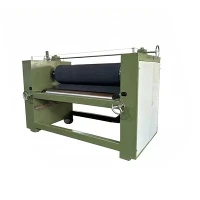

Hey there! As a supplier of double side gluing machines, I often get asked about the noise level of these machines. It's a pretty important factor, especially when you're running a workshop or a factory. You don't want a machine that sounds like it's about to take off like a rocket! So, let's dig into what the noise level of a double side gluing machine actually is.
What makes the noise?
First off, we gotta understand what causes the noise in a double side gluing machine. There are a few main culprits. The motor is one of the biggest ones. A powerful motor is needed to drive the various components of the machine, like the rollers and conveyor belts. When the motor is running, it creates vibrations that turn into noise.
The mechanical parts moving against each other also contribute to the racket. For example, the gears that transfer power from the motor to different parts of the machine make noise as they mesh together. The conveyor belts, which are constantly moving to transport the material being glued, can also produce a fair amount of noise. And then there's the sound of the glue being applied. Depending on how the glue is dispensed, it can create a splattering or spraying sound.
Typical noise levels
Now, let's talk numbers. The noise level of a double side gluing machine can vary widely depending on a few factors, like the size of the machine, its power, and the quality of its construction. On average, you can expect a double side gluing machine to produce noise levels in the range of 70 to 90 decibels (dB).
To put that into perspective, 70 dB is about as loud as a busy street or a vacuum cleaner. That's a bit noisy, but it's not ear - piercing. At the other end of the range, 90 dB is similar to the sound of a lawnmower. Prolonged exposure to 90 dB or more can start to damage your hearing, so it's important to take precautions.
Factors affecting noise levels
One of the biggest factors affecting the noise level is the machine's design. A well - designed double side gluing machine will have features to reduce noise. For example, it might have rubber or foam padding on the inside to dampen vibrations. The gears might be made of high - quality materials that are designed to mesh smoothly and quietly.
The power of the machine also plays a role. Generally, more powerful machines tend to be noisier because they have larger motors and more robust mechanical parts. But that's not always the case. Some manufacturers have managed to develop high - power machines that are surprisingly quiet.
The type of glue being used can also make a difference. Some glues are thicker and more viscous, which can cause more resistance when being dispensed. This can lead to a louder spraying or splattering sound. On the other hand, thinner glues might be dispensed more quietly.
Ways to reduce noise
If you're worried about the noise level of your double side gluing machine, there are a few things you can do to reduce it. One option is to invest in sound - absorbing materials and install them around the machine. You can use acoustic panels on the walls and ceiling of the workshop to reflect and absorb the sound waves.
Another way is to ensure proper maintenance of the machine. Keeping the machine well - lubricated can reduce the friction between the moving parts, which in turn reduces noise. Tightening any loose bolts or screws can also prevent rattling noises.
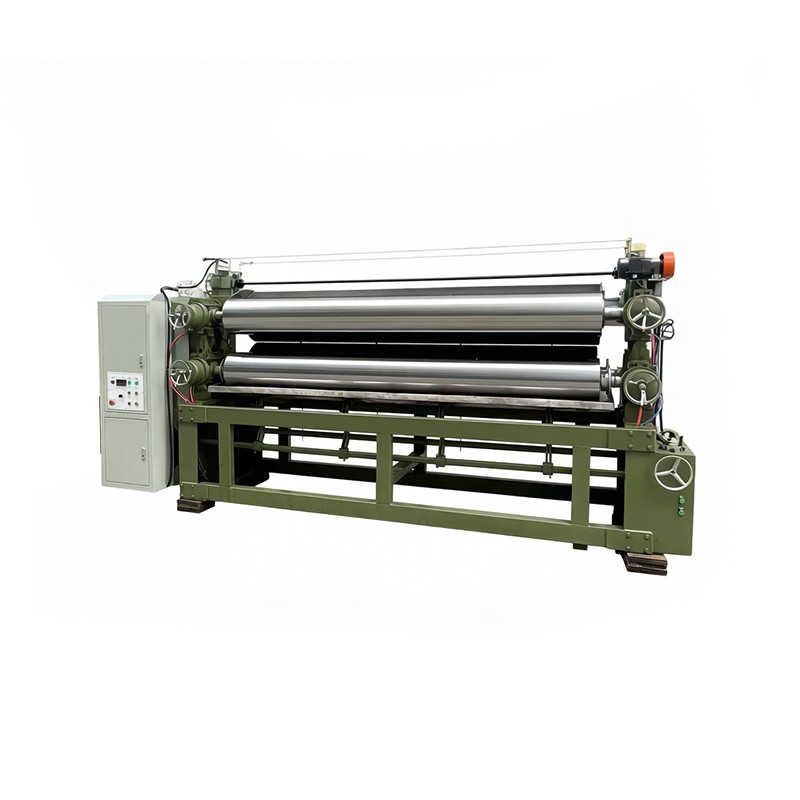
Some of our double side gluing machines, like the Pneumatic Double Face Gluing Machine, are designed with noise reduction in mind. They have advanced features that help keep the noise level down without compromising on performance.
Our product range and noise levels
We offer a wide range of double side gluing machines, each with its own noise characteristics. For instance, our Wood Glue Spreader is known for its relatively quiet operation. It's designed for woodworking applications, and we've made sure that it doesn't create a huge amount of noise that could disrupt your work environment.
Our Woodworking Glue Spreader is another great option. It combines high - performance gluing capabilities with a noise level that's manageable in most workshop settings.
We understand that noise is just one of the many factors you consider when buying a double side gluing machine. You also want a machine that's reliable, efficient, and easy to operate. And that's exactly what we strive to offer.
Why choose our machines in terms of noise
When you choose our double side gluing machines, you're getting a product that has been engineered to keep noise levels under control. We use the latest technologies and high - quality materials to minimize the amount of noise the machines produce.
In addition to that, we also offer excellent customer support. If you have any questions about the noise level of our machines or need advice on how to further reduce the noise in your workshop, our team is always here to help.
Conclusion: Let's talk business
If you're in the market for a double side gluing machine and noise is a concern for you, we've got you covered. Our machines are designed to provide a quiet and efficient gluing solution for your business. Whether you're working in a small woodworking shop or a large - scale manufacturing facility, we have a machine that will meet your needs.
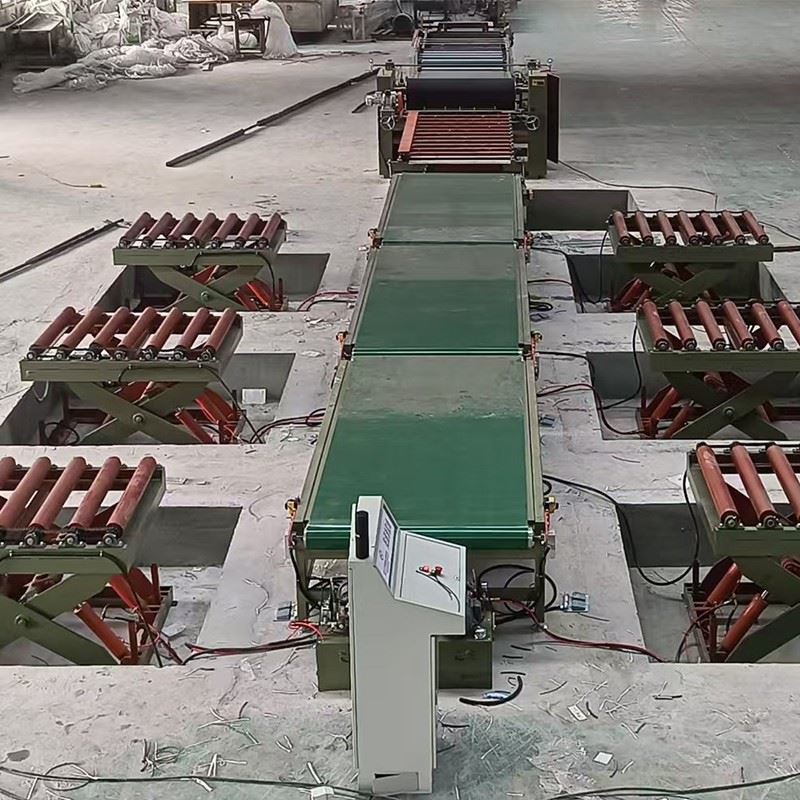
So, don't hesitate to reach out and start a conversation with us. We're eager to discuss your specific requirements and help you find the perfect double side gluing machine for your operations. Let's work together to make your production process smoother, quieter, and more productive.
References
- General knowledge in the field of industrial machinery engineering
- Internal product design and testing reports from our company's R & D department