

As a supplier of sanding machines, I often get asked about the sanding force of a sanding machine. Understanding the sanding force is crucial for anyone looking to purchase a sanding machine, whether for industrial use or DIY projects. In this blog post, I'll delve into what sanding force is, how it affects the sanding process, and what factors you should consider when choosing a sanding machine based on its sanding force.
What is Sanding Force?
Sanding force refers to the pressure applied by the sanding machine on the surface being sanded. It is a critical parameter that determines the efficiency and quality of the sanding process. The sanding force is typically measured in Newtons (N) or pounds-force (lbf). A higher sanding force generally means more material can be removed in a shorter period, but it also requires more power from the machine and can potentially damage the workpiece if not controlled properly.
The sanding force is influenced by several factors, including the design of the sanding machine, the type of sanding belt or disc used, and the speed at which the machine operates. For example, a belt sander with a wider belt and a more powerful motor can generate a higher sanding force compared to a smaller disc sander.
How Sanding Force Affects the Sanding Process
The sanding force plays a significant role in determining the quality of the sanded surface. A proper sanding force ensures that the sandpaper abrades the surface evenly, resulting in a smooth and consistent finish. If the sanding force is too low, the sandpaper may not remove enough material, leading to an uneven surface or a rough finish. On the other hand, if the sanding force is too high, it can cause excessive material removal, overheating, and even damage to the workpiece.
In addition to the quality of the finish, the sanding force also affects the efficiency of the sanding process. A higher sanding force allows for faster material removal, which can save time and increase productivity. However, it's important to find the right balance between the sanding force and the speed of the machine to avoid overheating and premature wear of the sandpaper.
Factors to Consider When Choosing a Sanding Machine Based on Sanding Force
When selecting a sanding machine, it's essential to consider your specific sanding needs and the type of materials you'll be working with. Here are some factors to keep in mind:
1. Material Type
Different materials require different sanding forces. For example, softwoods like pine or cedar can be sanded with a relatively low sanding force, while hardwoods like oak or maple may require a higher sanding force to achieve a smooth finish. Similarly, metals and plastics have different sanding requirements compared to wood.
2. Sanding Application
The type of sanding application also influences the required sanding force. For rough sanding or material removal, a higher sanding force is usually needed. On the other hand, for fine sanding or finishing, a lower sanding force is more appropriate to avoid damaging the surface.
3. Machine Size and Power
The size and power of the sanding machine are directly related to the sanding force it can generate. Larger machines with more powerful motors can typically generate higher sanding forces. If you need to sand large workpieces or remove a significant amount of material, a Large Sanding Machine may be the best choice.
4. Adjustable Sanding Force
Some sanding machines offer the option to adjust the sanding force. This feature is particularly useful when working with different materials or performing various sanding tasks. An adjustable sanding force allows you to fine-tune the machine to achieve the best results.
Our Sanding Machine Offerings
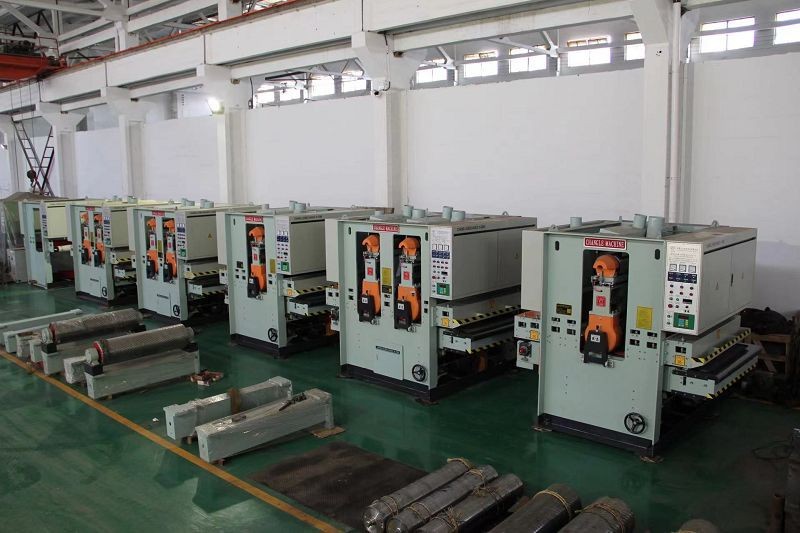
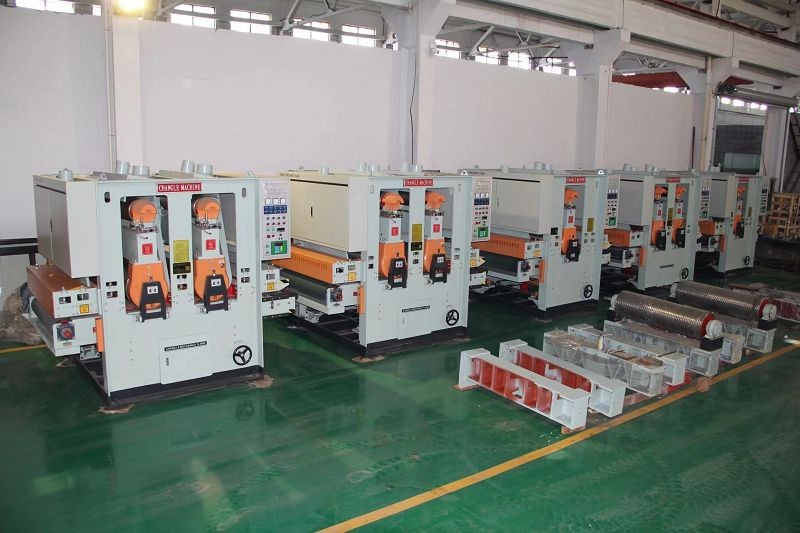
As a sanding machine supplier, we offer a wide range of sanding machines to meet the diverse needs of our customers. Our Three Head Sander is a popular choice for industrial applications, providing high sanding force and efficient material removal. It is suitable for sanding large workpieces and can be customized to meet specific requirements.
For those looking for a more professional-grade sanding machine, our Professional Sanding Machine is an excellent option. It offers precise control over the sanding force and speed, allowing for a high-quality finish on a variety of materials.
Contact Us for Purchase and Consultation
If you're in the market for a sanding machine and need more information about sanding force or our products, we're here to help. Our team of experts can provide you with detailed product specifications, technical support, and guidance on choosing the right sanding machine for your needs. Whether you're a small business owner, a DIY enthusiast, or an industrial manufacturer, we have the perfect sanding solution for you.
Feel free to reach out to us to discuss your requirements and start a purchase negotiation. We look forward to working with you to find the best sanding machine for your projects.
References
- Woodworking Machinery Handbook, Third Edition.
- Industrial Sanding and Finishing Techniques.


