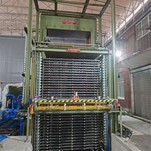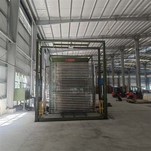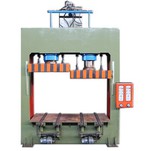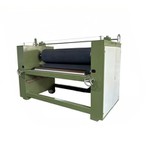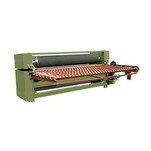

In modern manufacturing, hot press machines have become essential processing equipment due to their unique operating principles and wide range of applications. A hot press machine is a mechanical device that shapes materials and enhances their physical properties by applying heat and pressure. It can process metals, plastics, composite materials, and electronic components, making it a crucial tool for high-precision manufacturing and industrial automation.
The core function of a hot press machine lies in combining thermal energy with mechanical pressure, allowing materials to reach the desired shape and structure quickly. This process results in denser internal structures and more stable material properties, improving the durability and value of the final products. Compared to traditional cold pressing or manual forming, hot press machines offer significant advantages in both efficiency and precision.
With the rise of smart manufacturing and Industry 4.0, hot press machines have increasingly adopted digital and automated controls. Modern machines are equipped with advanced temperature and pressure regulation systems, as well as automated operation programs, enabling precise adjustments according to the material and process requirements. This not only boosts production efficiency but also greatly reduces the risk of human error.
Furthermore, hot press machines demonstrate distinct energy-saving and environmental benefits. Accurate control of temperature and pressure minimizes energy consumption and reduces material waste, aligning closely with the principles of green manufacturing. Safety is also a key feature, with built-in protections against overheating and overpressure, along with emergency stop mechanisms to ensure operator and equipment safety.
Overall, hot press machines, through their combination of heat and pressure, precise control capabilities, and wide adaptability, have become a cornerstone of modern manufacturing, enhancing production efficiency, ensuring product quality, and promoting sustainable development. As technology continues to advance, their industrial applications and value are expected to grow even further.