

Hey there! As a supplier of double side gluing machines, I often get asked about the power sources of these nifty devices. In this blog post, I'm gonna break down the different power sources for double side gluing machines, explain how they work, and give you the lowdown on their pros and cons.
Electric Power
Let's start with the most common power source: electricity. Electric double side gluing machines are a popular choice in many industries because they're reliable, easy to use, and offer consistent performance.
How It Works
Electric motors are at the heart of these machines. When you turn on the machine, electricity flows to the motor, which then converts electrical energy into mechanical energy. This mechanical energy is used to drive the various components of the gluing machine, such as the rollers, pumps, and conveyor belts.
Advantages
- Consistency: Electric motors provide a stable and consistent power output, which ensures that the gluing process is uniform. This is crucial for achieving high - quality results, especially when working on large - scale production.
- Ease of Use: Plugging the machine into a power outlet is as simple as it gets. There's no need to worry about refueling or maintaining complex fuel systems.
- Low Maintenance: Electric motors generally have fewer moving parts compared to other power sources, which means less wear and tear and lower maintenance costs over time.
Disadvantages
- Power Dependency: These machines rely on a continuous supply of electricity. In areas with unstable power grids, this can lead to interruptions in production.
- Initial Cost: Electric double side gluing machines can be more expensive to purchase upfront compared to some other types of machines.
If you're interested in an electric double side gluing machine, you might want to check out our Double Side Laminating Machine.
Pneumatic Power
Pneumatic double side gluing machines use compressed air as their power source. They're known for their durability and ability to handle heavy - duty tasks.
How It Works
Compressed air is stored in a tank and then released to power the machine's components. When the air is released, it creates a force that drives the pistons, cylinders, and other moving parts of the gluing machine.
Advantages
- High Power: Pneumatic systems can generate a significant amount of power, making them suitable for applications that require high - pressure gluing.
- Safety: Compressed air is a relatively safe power source compared to electricity or fuel. There's no risk of electrical shock or fire.
- Flexibility: Pneumatic machines can be easily adjusted to different pressure levels, allowing for greater control over the gluing process.
Disadvantages
- Noise: Pneumatic machines can be quite noisy during operation, which may require the use of hearing protection in the workplace.
- Compressor Requirement: These machines need a compressor to generate the compressed air. The compressor can be large, expensive, and require regular maintenance.
Our Pneumatic Double Side Gluing Machine and Pneumatic Double Face Gluing Machine are great examples of pneumatic - powered double side gluing machines.
Hydraulic Power
Hydraulic double side gluing machines use a fluid - based system to generate power. They're often used in heavy - industrial applications where high force is required.
How It Works
Hydraulic fluid is pumped through a system of pipes and cylinders. When the fluid is pressurized, it creates a force that moves the machine's components.
Advantages
- High Force: Hydraulic systems can generate extremely high forces, making them ideal for applications that require heavy - duty gluing, such as in the automotive or construction industries.
- Precision: Hydraulic machines offer precise control over the gluing process, allowing for accurate application of glue.
- Durability: Hydraulic components are generally very durable and can withstand high levels of stress and wear.
Disadvantages
- Complexity: Hydraulic systems are more complex than electric or pneumatic systems, which means they require more maintenance and expertise to operate.
- Fluid Leakage: There's a risk of hydraulic fluid leakage, which can be messy and potentially hazardous.
Fuel - Powered
Some double side gluing machines are powered by fuel, such as gasoline or diesel. These machines are often used in remote locations where electricity or compressed air is not readily available.
How It Works
The fuel is burned in an engine, which converts the chemical energy of the fuel into mechanical energy. This mechanical energy is then used to drive the gluing machine.

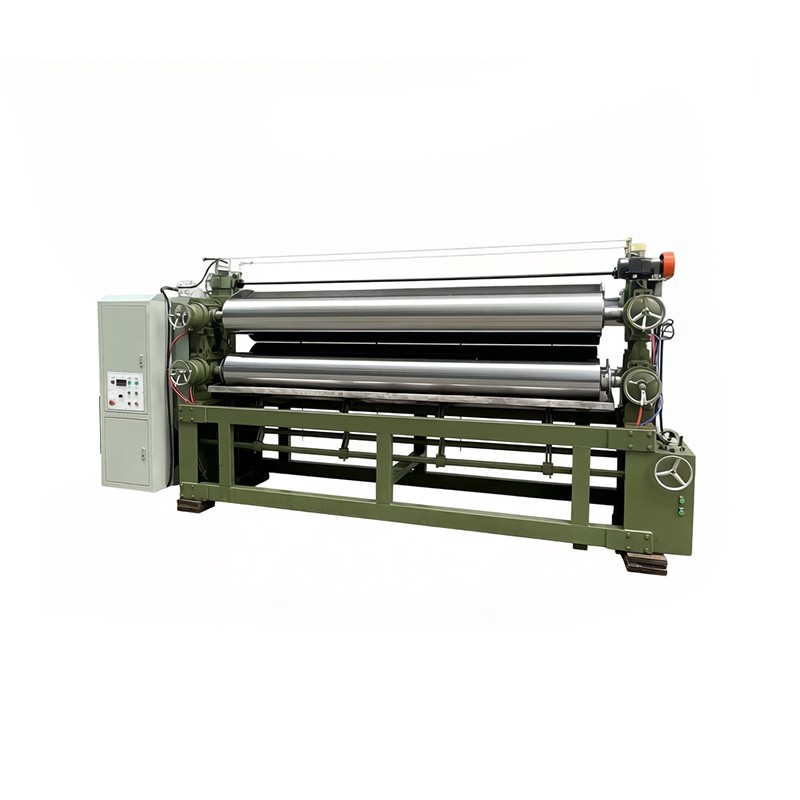
Advantages
- Portability: Fuel - powered machines are highly portable, making them suitable for on - site work or in areas without access to electricity.
- Independence: They don't rely on external power sources, so you can use them wherever you need to.
Disadvantages
- Emissions: Fuel - powered engines produce emissions, which can be harmful to the environment and may require compliance with environmental regulations.
- Maintenance: These machines require regular maintenance, including oil changes, filter replacements, and tune - ups.
Choosing the Right Power Source
When choosing a power source for your double side gluing machine, there are several factors to consider:
- Application: The type of work you'll be doing will determine the power requirements of the machine. For example, if you're working on small - scale projects, an electric machine may be sufficient. But if you're doing heavy - duty gluing, a hydraulic or pneumatic machine might be a better choice.
- Location: If you're working in a remote area, a fuel - powered or battery - operated machine may be more practical. If you have access to a stable power grid, an electric machine is a great option.
- Budget: Consider the initial cost of the machine, as well as the ongoing operating and maintenance costs. Electric machines may have a higher upfront cost but lower operating costs, while fuel - powered machines may be cheaper to buy but more expensive to run.
Conclusion
In conclusion, the power source of a double side gluing machine plays a crucial role in its performance, efficiency, and suitability for different applications. Whether you choose electric, pneumatic, hydraulic, or fuel - powered, each power source has its own advantages and disadvantages.
If you're in the market for a double side gluing machine and need help choosing the right power source or have any other questions, don't hesitate to reach out. We're here to assist you in finding the perfect machine for your needs. Let's start a conversation and see how we can help you take your gluing operations to the next level.
References
- Engineering textbooks on industrial machinery power systems.
- Manufacturer's manuals for double side gluing machines.


