

As a leading supplier of Roller Conveyor Lift Tables, I am excited to share with you the working principle of this remarkable piece of equipment. Roller Conveyor Lift Tables are essential in various industries, offering efficient and reliable solutions for material handling and transportation. In this blog, we will delve into the details of how these tables operate, their key components, and the benefits they bring to your operations.
Basic Structure and Components
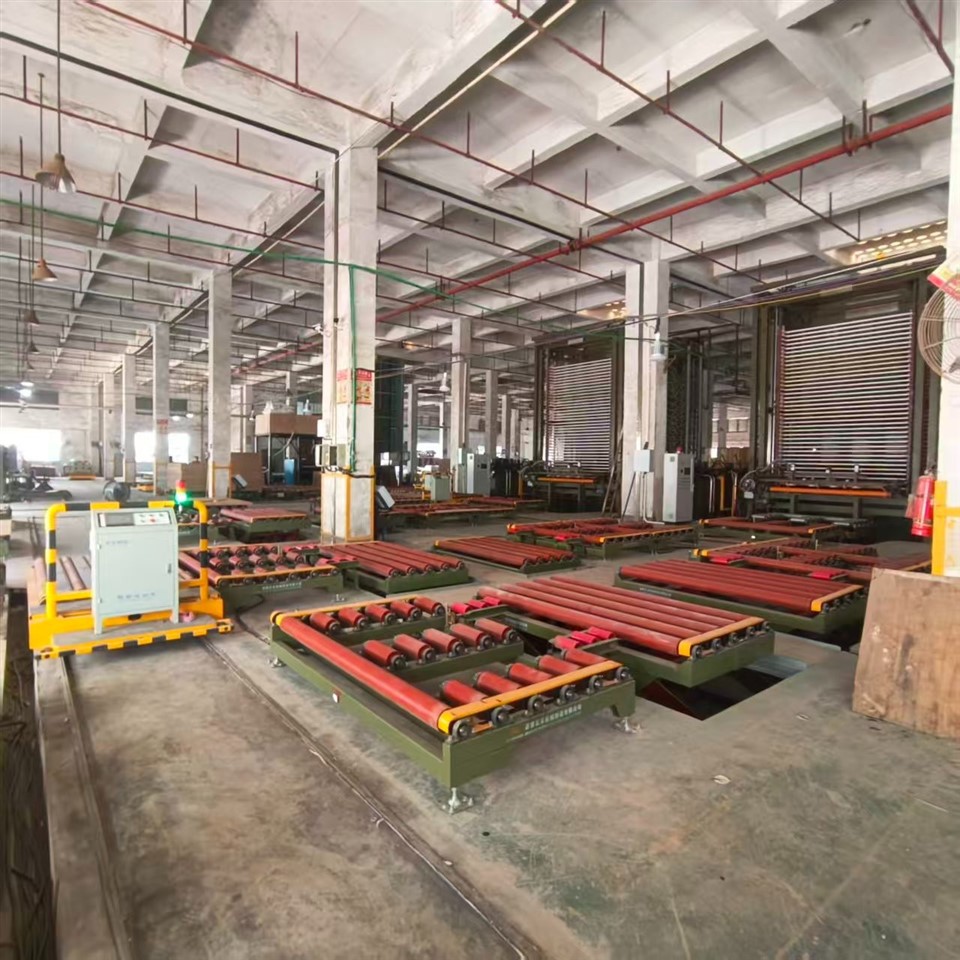
A Roller Conveyor Lift Table typically consists of several key components that work together to achieve its functionality. The main components include:
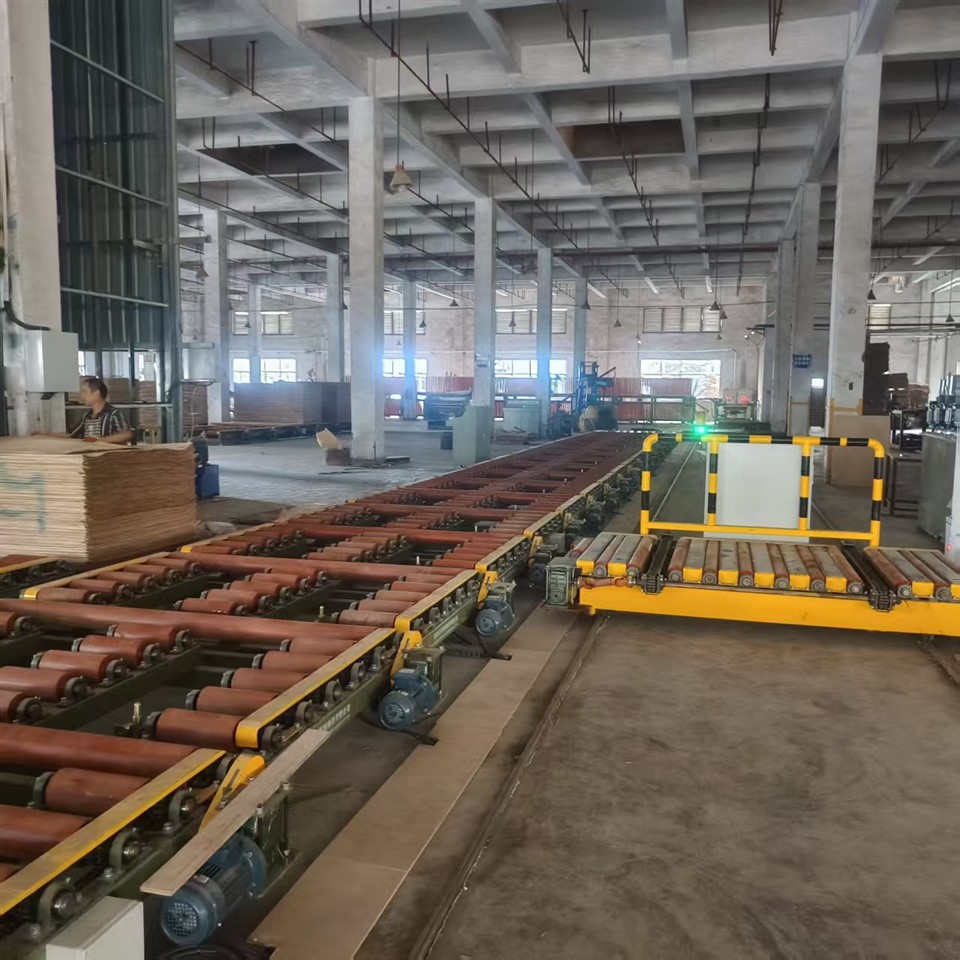
- Roller Conveyor: This is the surface on which the materials are transported. The rollers are usually made of steel or plastic and are arranged in a parallel configuration. They allow the materials to move smoothly along the conveyor.
- Lift Mechanism: The lift mechanism is responsible for raising and lowering the table. There are different types of lift mechanisms, such as hydraulic, pneumatic, or electric. Each type has its own advantages and is suitable for different applications.
- Frame: The frame provides the structural support for the Roller Conveyor Lift Table. It is usually made of steel and is designed to withstand the weight of the materials being transported.
- Control System: The control system allows the operator to control the movement of the table, including raising, lowering, and stopping. It can be a simple manual control or a more advanced automated system.
Working Principle
The working principle of a Roller Conveyor Lift Table can be divided into two main stages: the lifting stage and the conveying stage.
Lifting Stage
When the operator activates the lift mechanism, the table starts to rise or lower. The lift mechanism uses a hydraulic, pneumatic, or electric system to generate the force required to move the table. For example, in a hydraulic lift system, a hydraulic pump is used to pressurize the hydraulic fluid, which then drives the hydraulic cylinder to move the table up or down.
The lifting speed and height can be adjusted according to the specific requirements of the application. Some Roller Conveyor Lift Tables are equipped with sensors that can detect the position of the table and automatically stop the lifting process when the desired height is reached.
Conveying Stage
Once the table has reached the desired height, the materials can be loaded onto the roller conveyor. The rollers on the conveyor are powered by a motor, which rotates the rollers and moves the materials along the conveyor. The speed of the conveyor can also be adjusted to match the production requirements.
The Roller Conveyor Lift Table can be used for various types of materials, including boxes, pallets, and even heavy machinery. It can be integrated with other equipment, such as Rgv Intelligent Transport Vehicle, to create a more efficient material handling system.
Benefits of Roller Conveyor Lift Tables
Roller Conveyor Lift Tables offer several benefits for industries that require efficient material handling. Some of the key benefits include:
- Increased Efficiency: By automating the lifting and conveying process, Roller Conveyor Lift Tables can significantly increase the efficiency of your operations. They can reduce the time and labor required to move materials, allowing you to focus on other important tasks.
- Improved Safety: Manual handling of heavy materials can be dangerous and can lead to injuries. Roller Conveyor Lift Tables eliminate the need for manual lifting, reducing the risk of accidents and injuries in the workplace.
- Versatility: Roller Conveyor Lift Tables can be customized to meet the specific requirements of your application. They can be used in a variety of industries, including manufacturing, logistics, and warehousing.
- Cost Savings: By increasing efficiency and reducing labor costs, Roller Conveyor Lift Tables can help you save money in the long run. They are also a more cost-effective alternative to other material handling equipment.
Applications of Roller Conveyor Lift Tables
Roller Conveyor Lift Tables are widely used in various industries for different applications. Some of the common applications include:
- Assembly Lines: Roller Conveyor Lift Tables are used in assembly lines to move materials between different workstations. They can be used to lift and position the materials at the correct height for assembly, improving the efficiency of the assembly process.
- Warehousing and Logistics: In warehouses and logistics centers, Roller Conveyor Lift Tables are used to load and unload materials from trucks and containers. They can also be used to move materials within the warehouse, such as from storage racks to shipping areas.
- Manufacturing: In manufacturing plants, Roller Conveyor Lift Tables are used to move raw materials, work-in-progress, and finished products between different production processes. They can help to improve the flow of materials and reduce the time required for production.
- Packaging: Roller Conveyor Lift Tables are used in packaging lines to move products from the production line to the packaging area. They can be used to lift and position the products at the correct height for packaging, improving the efficiency of the packaging process.
Conclusion
In conclusion, Roller Conveyor Lift Tables are an essential piece of equipment for industries that require efficient material handling. Their working principle is based on the combination of a lift mechanism and a roller conveyor, which allows for the smooth and efficient movement of materials. By understanding the working principle and benefits of Roller Conveyor Lift Tables, you can make an informed decision when choosing the right equipment for your application.
If you are interested in learning more about our Roller Conveyor Lift Tables or other related products, such as Scissor Lift Roller Conveyor and Longitudinal Board Feeding Suction Frame, please feel free to contact us. We are committed to providing high-quality products and excellent customer service to meet your needs.
References
- "Material Handling Equipment Handbook", Third Edition, by John A. White, John W. Boewe, and Charles D. Jensen.
- "Industrial Automation and Robotics", Second Edition, by Peter R. Nachtwey.


